
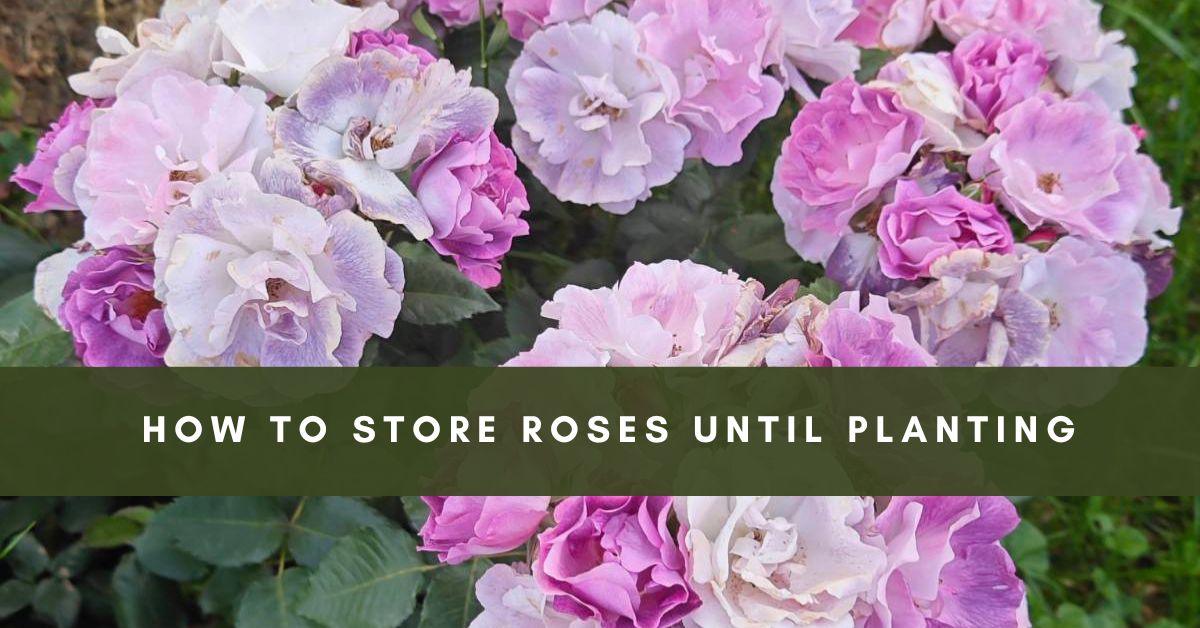
Question: How do you store bare-root roses before planting?
Answer: Wrap rose roots in moist peat moss or sphagnum, seal lightly in a plastic bag, and keep at 0–4 °C. For longer storage, use damp sand or sawdust in a cool cellar. Avoid freezing, drying, or heat exposure. Check moisture every two weeks.
If you’ve ordered bare-root roses but want to protect them from harm, here are some storage methods to ensure a healthy start after planting. Let’s get started!
Contents
- Tips for Choosing Rose Seedlings
- Why Storing Roses Properly Matters
- Essential Supplies for Storing Bare-Root Roses
- Short-Term Storage: Up to 10 Days
- Mid-Term Storage: 2 Weeks to 1 Month
- Long-Term Storage: 1 Month or More
- Common Issues with Rose Storage and How to Fix Them
- FAQs on Storing Roses for Gardening Success
Tips for Choosing Rose Seedlings
- Evaluate the Shoots
Look for seedlings with at least two or three well-developed shoots, and avoid those with broken or single shoots, as these may not thrive.
- Inspect for Black or Dry Shoots
If you see black or dried-out shoots beneath the green paraffin coating, consider passing on these seedlings, as they may not be healthy.
Tip: The paraffin mixes regular wax and copper sulfate, protecting the seedlings from diseases. Avoid scraping it off, as it can damage budding growth.
- Protect the Root Packaging
When bringing seedlings home, leave the roots in their original soil package. The packaging preserves the dense root ball, which is crucial for maintaining moisture and reducing transplant shock.
Why Storing Roses Properly Matters
When winter or early spring prevents planting, proper storage ensures your roses remain viable. Storing roses correctly keeps roots from drying or rotting, preparing them to establish strong roots and beautiful blooms when finally planted.
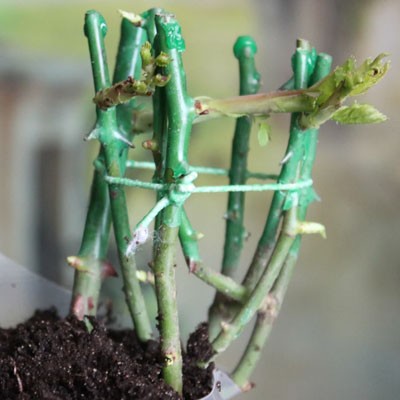
Extended Storage Methods for Rose Seedlings
Depending on your resources and storage duration, here are several reliable methods:
Refrigerator Storage
Wrap bare-root roses in damp sphagnum moss or a wet paper towel, place in a loosely tied plastic bag, and store at 0-3°C. If roses are already in containers, place the whole container in the refrigerator wrapped in plastic to maintain humidity.
Visual Suggestion: A graphic of this process, emphasizing moisture levels, would enhance clarity.
Glazed Balcony Storage
If space is limited, set up a cardboard box with peat or sawdust on the bottom, spray seedlings lightly with water, cover with soil, and store on a glazed balcony. Roses will tolerate temperatures from -5°C to 5°C in this setup.
Extended Cold Storage Options for Winter
In the Basement or Cellar
Keep seedlings at 0-3°C in a bucket or other container, covering the roots with damp sand, peat, or sawdust to protect the root collar. Store them separately from other plants to reduce the risk of cross-contamination.
Outdoor Snow Storage
For extended winter storage, place seedlings in a box filled with peat and store them in a shaded outdoor spot. Cover with non-woven fabric and at least 1–1.5 meters of snow, insulating with pine branches on top to slow melting.
- Essential Supplies for Storing Bare-Root Roses
To successfully store bare-root roses, you’ll need:
- Large plastic bag: Ideal for wrapping roots.
- Peat moss or sawdust: Retains moisture around roots.
- Cool, dark storage space: Basements or garages work well for mid and long-term storage.
- Pruning shears: Helps remove any damaged or dead roots before storage.
- Final Tip: Check roots carefully before planting. Trim only long, healthy roots to promote growth, leaving short roots intact to ensure stability.
🌸 Love Nature, Beauty & Slow Gardening?
Join my Rose Home Garden newsletter — a gentle space for monthly organic ideas, seasonal rose care, and soulful garden inspiration.
🎁 Bonus Gift: Get your Two Color-Perfect Insectary Kits — flower-bed plans that attract bees, lacewings & butterflies while harmonizing your garden’s color palette.
Let your garden bloom with inspiration 🌿
How to store roses
Short-Term Storage: Up to 10 Days
If you’re planning to plant within ten days, follow these steps:
- Hydrate the Roots: Rehydrate rose roots in water for 8-12 hours.
- Moist Wrap: Wrap roots in a moist cloth, securing them in a plastic bag.
- Cool Storage: Place in a shaded, cool area (around 35-40°F if possible).
Garden tips
Avoid direct sunlight and warmth during short-term storage, as it can dry out the roots quickly.
Mid-Term Storage: 2 Weeks to 1 Month
If planting needs to wait longer, here’s what to do:
- Moisture-Retaining Medium: Fill a container with damp peat moss or sawdust.
- Position Roots Properly: Lay the roses on their side, fully covering the roots with the moist medium.
- Cool Area Storage: Keep the container in a cool, dark location, like a basement.
Rose gardening books
Explore rose gardening books and garden planner by Ann Devis. Get practical tips, organic techniques, and insights to create and maintain a stunning, thriving rose garden.
Long-Term Storage: 1 Month or More
For those storing roses throughout winter, follow these more intensive steps:
- Select a Storage Box: Use a cardboard box or wooden crate with good airflow.
- Prepare with Peat Moss: Place roses in damp peat moss, leaving buds exposed.
- Cold Storage Method: Store in a cool basement or cellar around 35°F. Avoid freezing temperatures, which can damage roots.
- Check Regularly: Inspect every two weeks to ensure roots remain moist.
Garden tips
If your storage area is dry, mist the peat moss every few weeks to retain the proper humidity level for roots.
Common Issues with Rose Storage and How to Fix Them
Issue 1: Mold on Roots
Solution: Prune away moldy parts with sterilized shears, then wrap roots in a clean, moist cloth.
Issue 2: Roots Drying Out
Solution: Re-soak roots for 8 hours in water, then re-wrap with moist peat moss or sawdust.
Issue 3: Softening Stems
Solution: Move roses to a slightly cooler spot and ensure enough airflow to prevent excessive humidity.
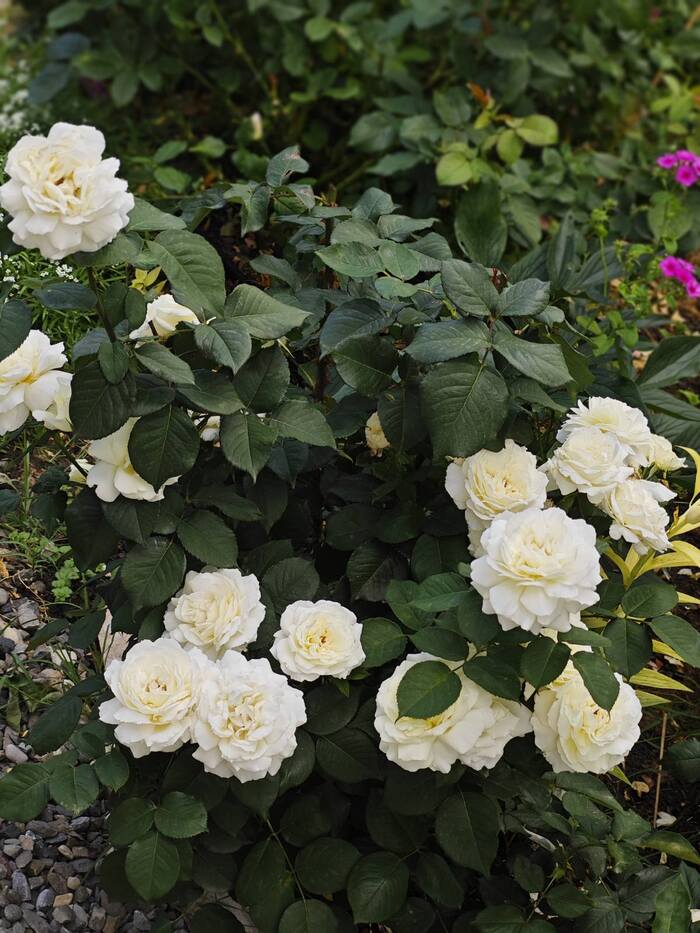
Jeanne Moreau rose
Frequently Asked Questions
Every 2 weeks—roots should stay moist, never soggy.
Yes, set between 0–4 °C. Wrap in damp paper and plastic to maintain humidity.
No. Pinch tips lightly if they grow; otherwise, leave intact.
Peat moss, sawdust, or decomposed forest leaf mold—avoid synthetic substrates.
Once the soil temperature reaches 8–10 °C and frost danger passes.
Storing your bare-root roses successfully can make all the difference in their health and bloom potential. Use these proven strategies to ensure that your roses are ready to thrive when spring arrives.
Want more gardening tips? Subscribe to our newsletter for monthly advice straight to your inbox!


