Ann Devis

rose prunning in the spring

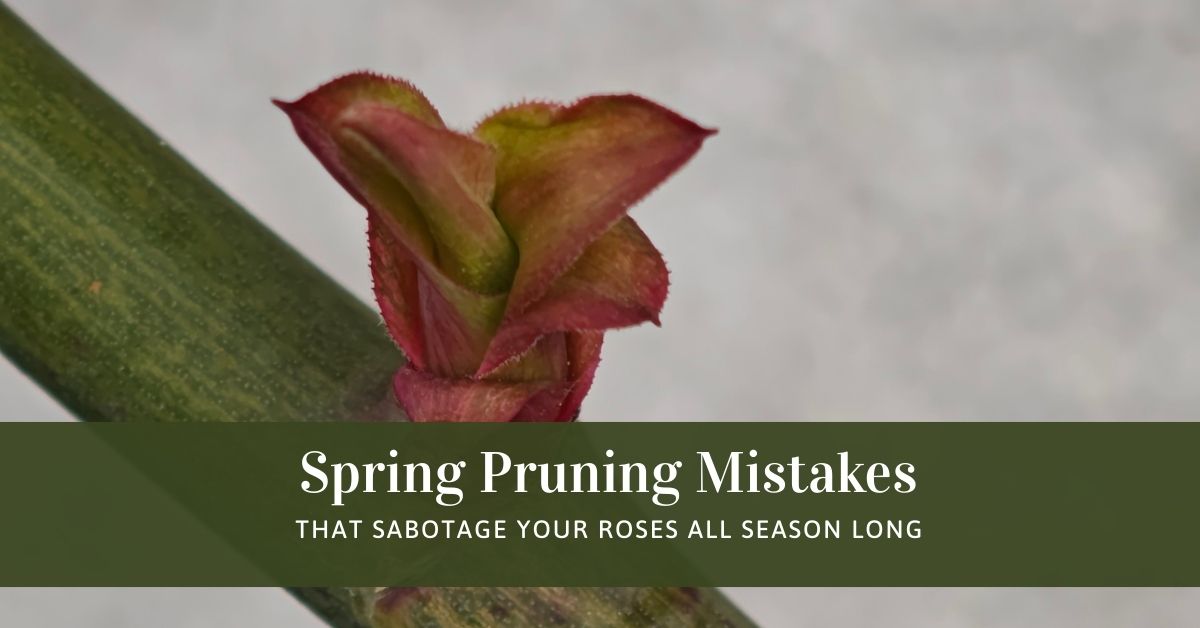
Spring Pruning Mistakes That Sabotage Your Roses

Spring rose pruning fails when roses are cut before they begin active growth. The clearest signs to prune are swelling buds, consistent new shoots, and forsythia bloom – not calendar dates. Early pruning removes stored energy, causing weak canes, poor blooms, and higher disease pressure all season. Most rose problems aren’t born in summer.They’re created

Spring Pruning Mistakes That Sabotage Your Roses Read More »

when to prune roses

When to Prune Roses and When You Absolutely Shouldn’t Touch Them

The best time to prune roses is when buds are swollen but not yet open, with daytime temperatures above 5–7°C (41–45°F) and nights consistently above –5°C (23°F). Pruning earlier risks frost damage, while pruning too late wastes the plant’s stored energy. Roses should not be pruned heavily in fall or during heat, and the exact

When to Prune Roses and When You Absolutely Shouldn’t Touch Them Read More »

winter rose care

How Cold Can Roses Tolerate?

Roses can tolerate light frost, but prolonged cold below -10°C (14°F) can cause cane dieback and root damage, especially in tender varieties. Cold hardiness depends on duration of cold, soil freezing, wind exposure, and whether roses entered dormancy gradually. Canadian-bred roses are among the most cold-tolerant, surviving temperatures as low as -30°C (-22°F) once established.

How Cold Can Roses Tolerate? Read More »

Why Some Roses Need Winter Protection

Winter Rose Care Mistakes That Ruin Your Spring Blooms

Some winters pass without much fuss. The roses go dormant, nothing dramatic happens, and by March, everything still looks alive. Then spring drags on. Buds hesitate. Blossoms are thin or late. And you’re left scratching your head because winter didn’t seem especially harsh. That’s usually the clue. In my garden, disappointing bloom seasons almost always

Winter Rose Care Mistakes That Ruin Your Spring Blooms Read More »

organic rose gardening

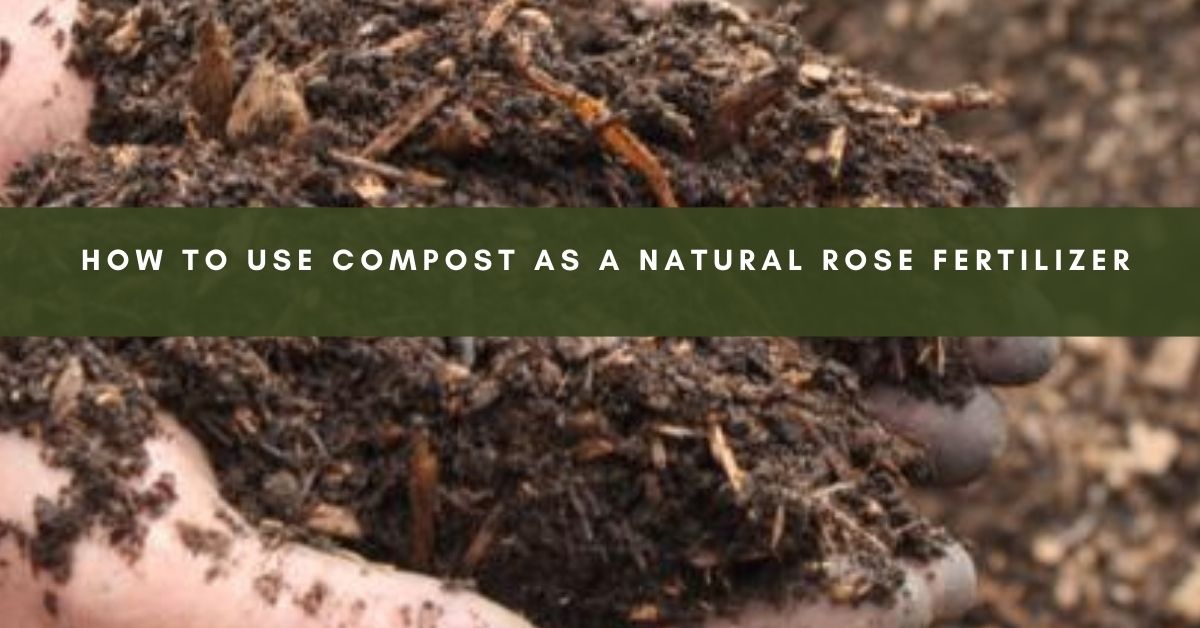
Revitalize Your Roses with Natural Compost

Key Takeaways Healthy roses start with living soil rich in compost. Compost feeds plants slowly, improves soil structure, and supports microbial life. Elaine Ingham emphasizes that good compost is biologically diverse, not just “decayed matter.” Mulching with compost + monthly compost tea keeps roses strong all season. Building compost correctly = sweet smell, crumbly texture,

Revitalize Your Roses with Natural Compost Read More »

Sign In

Register

Reset Password

Please enter your username or email address, you will receive a link to create a new password via email.

Scroll to Top