If you’ve ever marveled at the big, showy roses of spring only to find that the second flush is noticeably smaller, you’re not alone. Many gardeners face this mystery—and the good news is, it’s both natural and manageable. Let’s explore why it happens, what it means for your roses, and how to encourage larger, healthier buds in the later blooms.
Why Roses Produce Smaller Buds in Summer
Roses are living energy factories. Their blooms depend on how much energy the plant can produce and store. After the spectacular first flush, the rose has already invested heavily in flowers, new stems, and sometimes even seed formation (if hips are left on).
Here are the main reasons the second bloom is smaller:
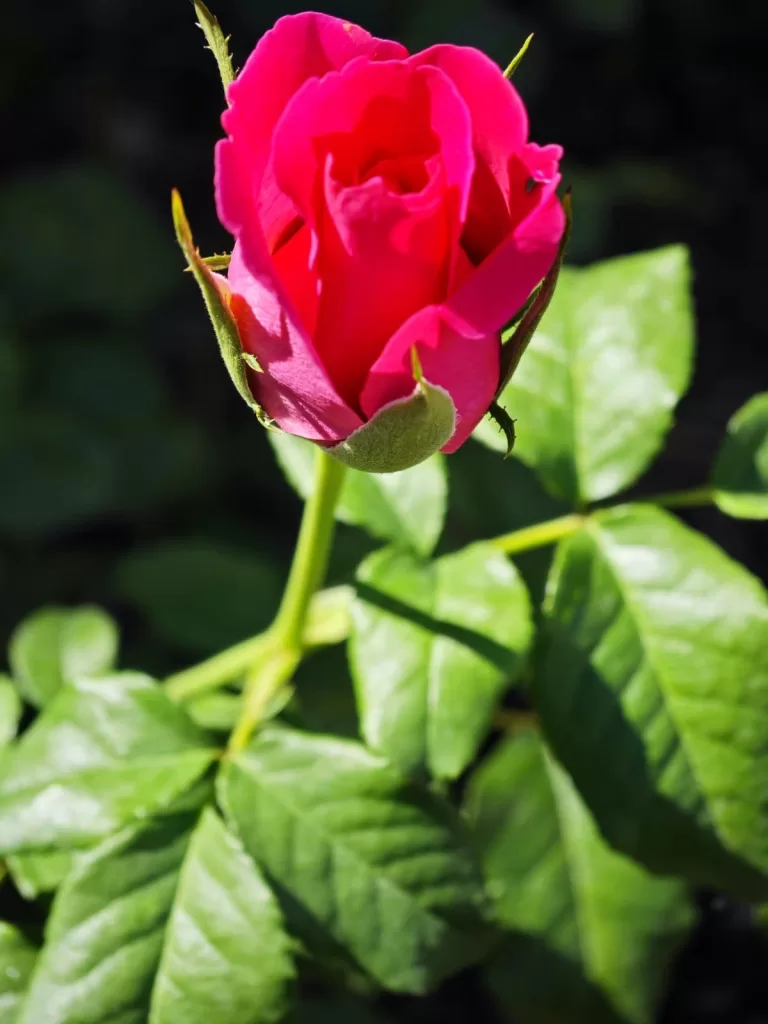
Energy depletion:
After the spring show, the plant’s carbohydrate reserves are lower. Unless replenished, fewer sugars go into making petals.
Heat stress:
Hot days and warm nights increase respiration, meaning the plant burns more sugars than it makes. Less energy goes to bud size.
Shoot type:
The second flush often comes on lateral shoots (side branches) rather than strong basal canes. Laterals are naturally thinner and produce smaller flowers.
Water and nutrient balance:
Irregular watering, high nitrogen, or lack of potassium and magnesium can all lead to smaller petals.
Leaf loss or disease:
Leaves are the plant’s solar panels—fewer healthy leaves = less energy for flowers.
Pests and stress:
Thrips, spider mites, and aphids feeding on young buds and leaves can directly stunt bloom size.
A Practical Plan to Overcome Smaller Buds
You can’t change summer heat or genetics, but you can support your roses so they bounce back stronger for the second (and third!) bloom.
1. Water Deeply and Consistently
- Water the base of the bush with 10–15 liters, 2–3 times a week in hot weather.
- Mulch with grass clippings, compost, or chopped leaves to lock in moisture and cool the roots.
2. Feed for Flowers, Not Leaves
- After the first bloom, reduce nitrogen and focus on potassium, calcium, and magnesium.
- Try organic boosters: banana-peel extract, wood-ash tea, fish emulsion, or compost tea.
- Foliar spray once a week with diluted seaweed or milk whey to strengthen leaves and stimulate budding.
Here are some recipes for organic rose fertilizer to make rose buds larger
Customized Fertilizer Mix
Create a specialized organic rose fertilizer mix by combining the following ingredients:
– 2 parts well-rotted compost
– 1 part aged chicken manure (or other organic animal manure)
– 1 part bone meal (for phosphorus)
– 1 part kelp meal (for trace minerals)
– A handful of Epsom salt (for magnesium)
Mix these ingredients thoroughly and apply a generous handful around the base of each rose plant during the growing season.
Compost Tea Spray:
Brew a compost tea to provide your roses with a nutrient-rich foliar spray. Fill a bucket with water and add a few shovelfuls of compost. Let it steep for 24-48 hours, then strain and use the liquid as a spray. This helps deliver nutrients directly to the leaves and stems, promoting healthy growth.
Banana Peel Boost:
Banana peels are rich in potassium, essential for strong root development and vibrant blooms. Chop up banana peels and bury them a few inches deep around the base of your rose plants.
Epsom Salt Soak:
Epsom salt is an excellent source of magnesium, which encourages lush foliage and vibrant flower color. Dissolve one tablespoon of Epsom salt in a gallon of water and water your roses with this solution once a month during the growing season.
Neem Oil Protection:
Create a neem oil spray to fend off pests while nourishing your roses. Mix one teaspoon of cold-pressed neem oil with a few drops of liquid soap in a gallon of water. Spray this solution on your roses every 1-2 weeks, focusing on the undersides of the leaves.
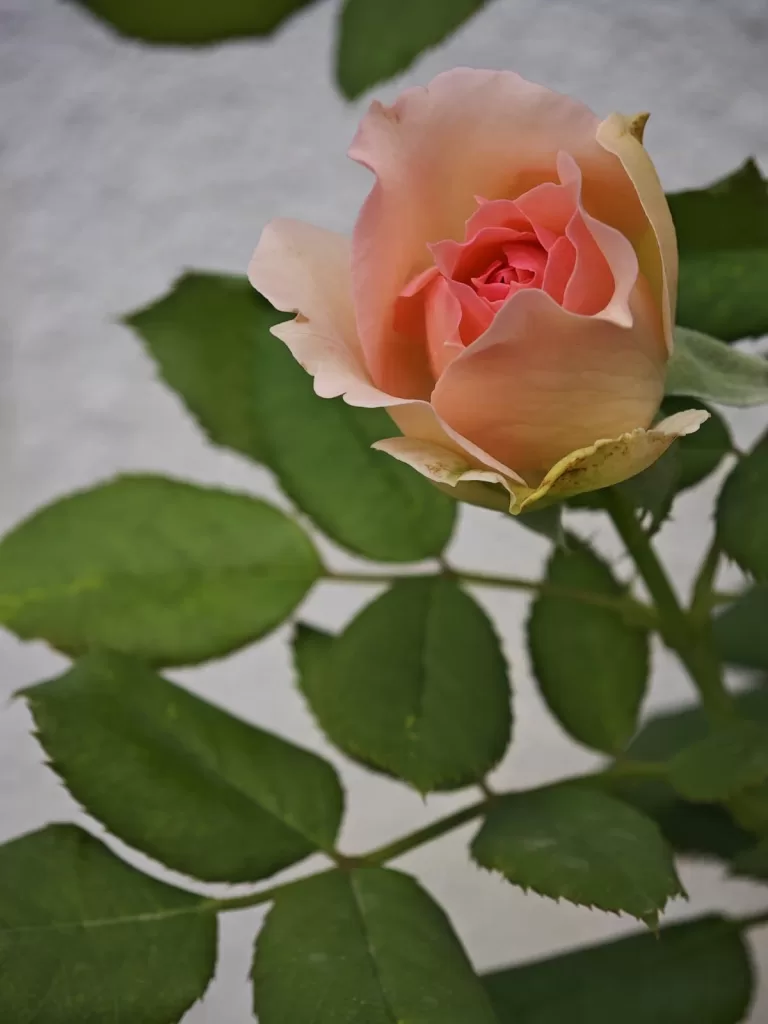
Eggshell Boost:
Save and crush eggshells to add calcium to the soil. Calcium promotes strong cell walls and healthy root development. Sprinkle crushed eggshells around the base of your rose plants.
Mulching Magic:
Mulch around your rose plants with organic materials like straw or wood chips. This helps retain soil moisture, suppress weeds, and gradually release nutrients as the mulch breaks down.
3. Prune Smartly
- Deadhead to a strong 5-leaflet leaf pointing outward.
- Remove spent hips immediately so the plant doesn’t waste energy on seeds.
- On cluster roses, thin side buds early—keeping the central one will give you fewer but larger blooms.
4. Protect the Leaves
- Keep foliage clean and disease-free.
- Use organic pest controls, such as jet-water rinses, neem oil, or soap sprays, and conduct weekly checks for thrips or mites.
- Never strip too many leaves; they are your rose’s sugar source.
5. Help During Heat Waves
- Provide temporary shade (30–40% cloth) on the hottest afternoons.
- Mist lightly in the evening (not late at night) to lower leaf temperature.
Special Notes for Containers
Potted roses suffer more from heat and root restriction. Refresh one-third of the soil yearly, up-pot if root-bound, and water more often, since pots dry quickly.
Why Are My Rose Buds Small and Not Opening?
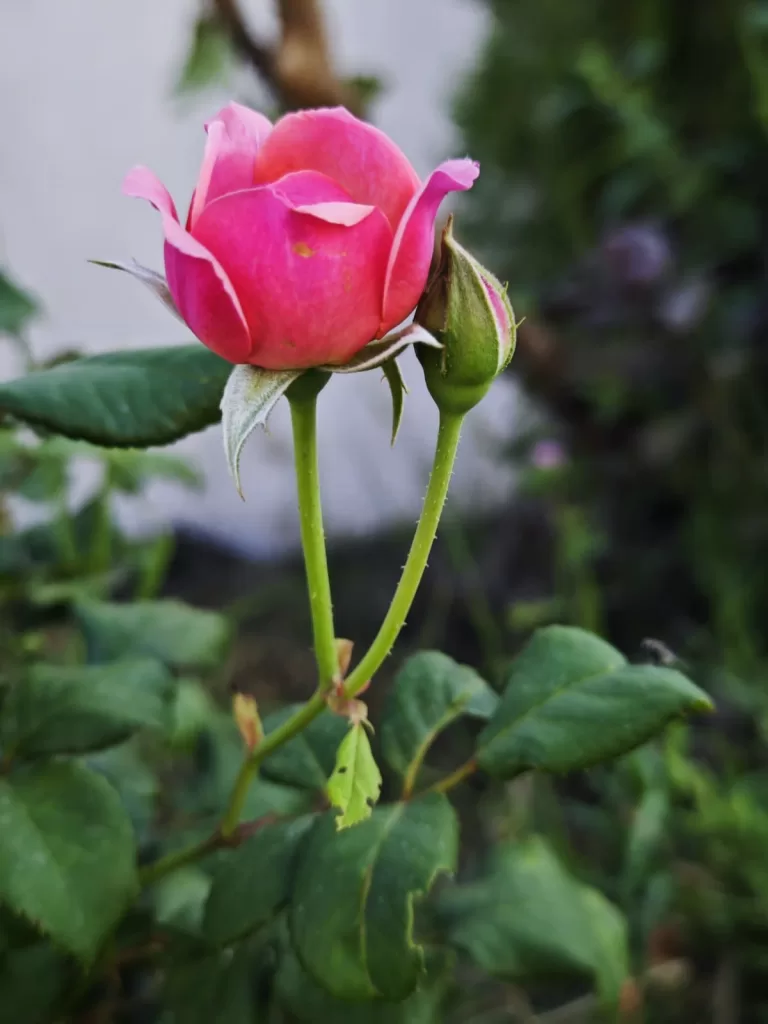
Small, unopened rose buds can stem from various factors. Insufficient sunlight, poor soil drainage, and incorrect watering practices are common culprits. Inadequate air circulation can also hinder bud development. Ensure proper spacing between rose plants and prune overcrowded growth to promote better airflow. Furthermore, closely monitor watering; overwatering can lead to root rot, while underwatering can cause stress and hinder bud growth.
Bud malformation or incomplete opening can result from unfavorable weather conditions, such as sudden temperature fluctuations or excessive humidity. Additionally, pests like aphids or thrips can disturb the natural development of buds. Employ natural remedies or environmentally friendly pesticides to manage pest issues without harming the plant.
The Gardener’s Shortcut Plan
When the first flush fades:
- Deadhead and remove hips.
- Drench with compost tea and mulch.
- Apply banana extract or kelp for potassium.
- Foliar spray whey or seaweed once a week.
- Check buds for thrips and leaves for mites.
Do this for 2–3 weeks, and you’ll set up your rose for a strong recovery and bigger, healthier blooms.
Q&A: Common Questions About Second Flush Blooms
Yes! Especially in hot regions, roses naturally make smaller, quicker-opening flowers in mid-summer.
Usually, yes. As nights cool in late summer or fall, roses often produce larger, more richly colored blooms.
Not with nitrogen. Instead, focus on potassium and calcium to support petals and disease resistance.
Yes—by disbudding (keeping only the central bud on a stem), watering deeply, and ensuring no hips or pests steal energy.
Final Thought 🌹
Smaller summer blooms aren’t a sign of failure they’re a signal. Your rose is telling you it has worked hard and now needs support. With consistent care, you’ll not only improve your second flush but also set the stage for spectacular fall roses.
Want to know all the hidden reasons why your roses might underperform and how to fix each one?
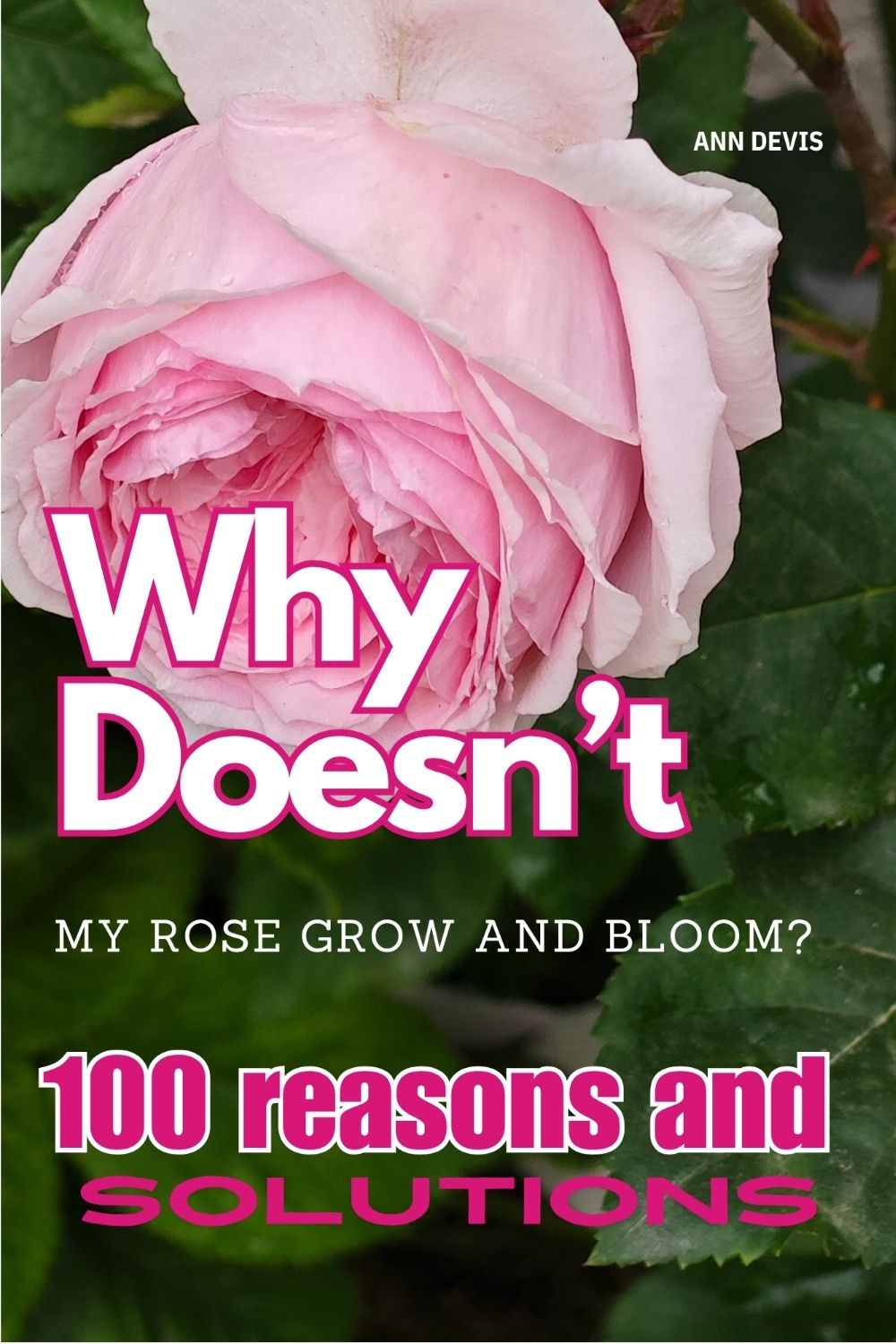
My book Why Doesn’t My Rose Grow and Bloom? 100 Reasons is the ultimate guide, packed with solutions for every rose problem you’ll encounter. It’s the book rose lovers return to season after season.
👉 Get your copy today and let your roses reach their full potential!
Rose gardening books

Step into a calmer, more confident rose season. With Ann Devis’s rose gardening books and planner, you’ll get simple organic routines, proven tips, and checklists that keep your roses thriving – from first bud to last bloom.