1. Enchantment Rose
Ruffled and Radiant
For those who crave a real showstopper, Enchantment lives up to its name. Its deeply hued pink, ruffled blooms catch the eye, and a subtle fragrance adds to its allure. This rose bush typically reaches three to four feet in height and width, making it an excellent choice for a focal point. While air circulation and disease management may require a bit more attention, the payoff is worth it.
- Best For: Adding drama to flower beds or mixed borders
- Standout Traits: Eye-catching, ruffled petals, moderate fragrance
- Care Essentials: Provide nutrient-rich soil, full sun, and prompt deadheading. Good airflow is important to prevent fungal issues.
2. Earth Song Rose
Enduring Beauty
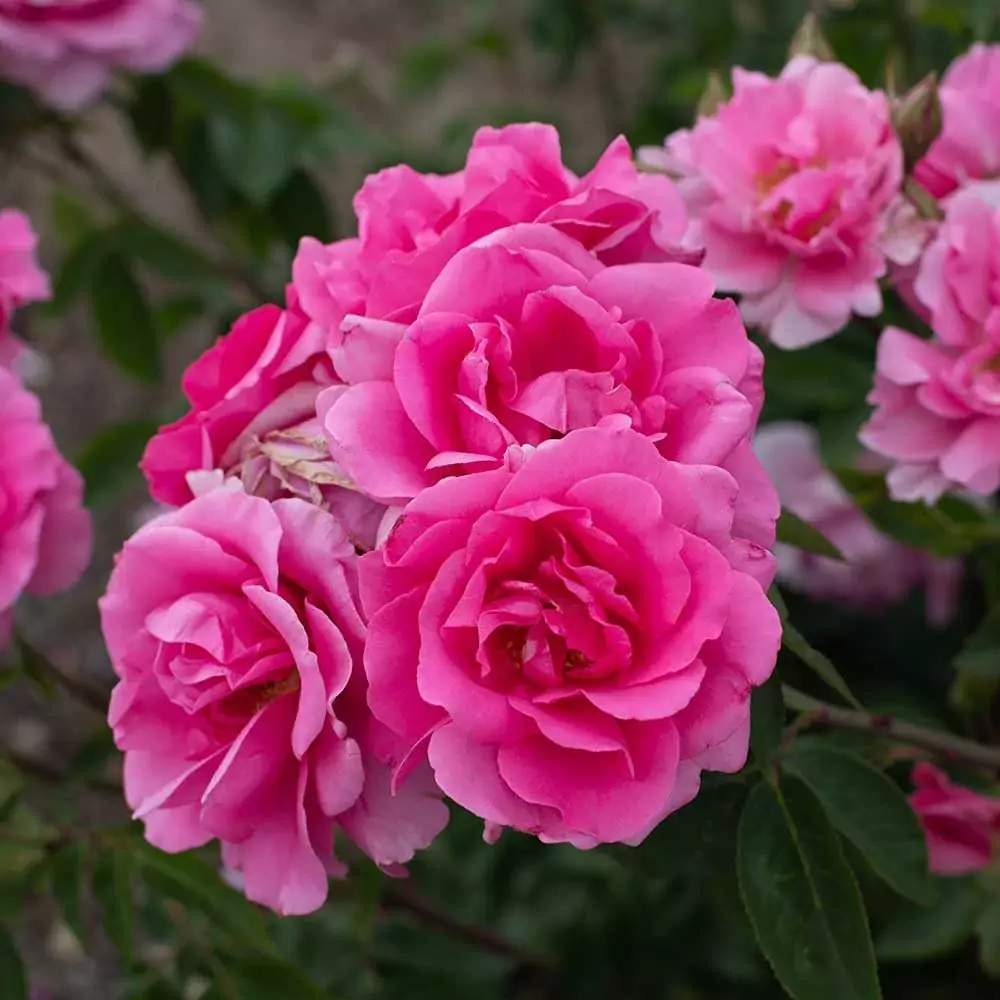
Earth Song proves you can have a resilient rose that’s still showy. Its generous, medium-pink blooms and glossy foliage stand out, and it can reach heights and widths of up to six feet, making it terrific for privacy borders or a dramatic garden backdrop. This is one of the hardiest roses, thriving even in colder climates and relatively disease-resistant.
- Best For: Colder regions, extensive gardens, creating privacy screens
- Standout Traits: Superb hardiness, vibrant blooms, durable foliage
- Care Essentials: Plant in a sunny location, mulch to protect roots, and prune annually to maintain shape.
3. Queen of Sweden rose
Graceful and Refined
With cup-shaped blooms in a soft pastel pink that can verge on peach, the Queen of Sweden embodies elegance. This rose is known for its upright shape—about four feet tall and up to three feet wide—making it a fantastic choice for narrow spaces or refined rose displays. The subtle myrrh aroma adds an unexpected twist to its scent profile and boasts excellent disease resistance.
- Best For: Cutting gardens, formal arrangements, narrow spaces
- Standout Traits: Tall, upright form, gentle fragrance, strong disease resistance
- Care Essentials: Grow in sunny spots with well-draining soil. Light pruning after flowering maintains its form and encourages repeat blooms.
4. Louise Odier rose
A Heritage Rose with Timeless Appeal
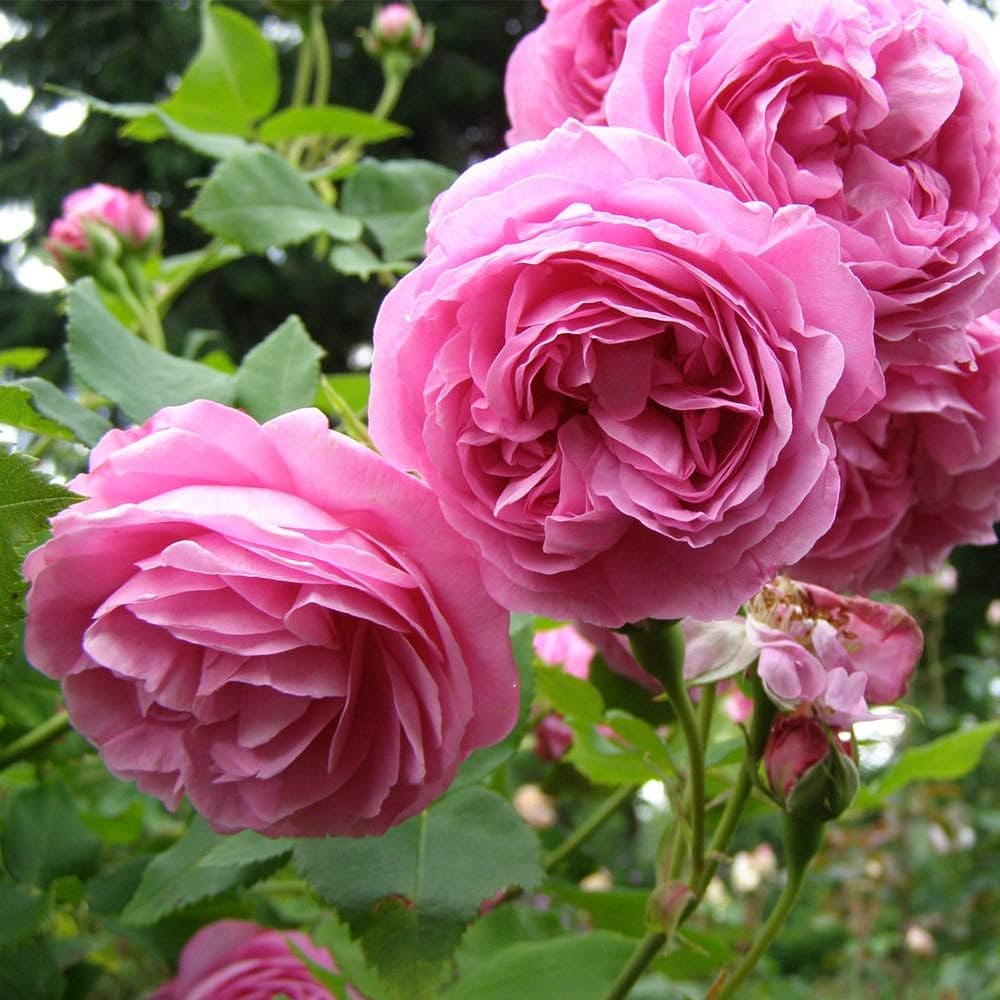
Dating back to the 19th century, Louise Odier is a Bourbon rose that offers a sense of history and romance. Its medium-pink flowers feature a classic damask rose perfume with full, layered petals on upright stems. Growing to around five feet tall and three to four feet wide, it works beautifully in cottage-style beds or as a singular highlight. It has moderate disease resistance but benefits from a bit of extra attention.
- Best For: Vintage-themed gardens, fragrant flower borders, historical landscapes
- Standout Traits: Heritage charm, rich rose fragrance, upright growth
- Care Essentials: For best results, prune lightly after each flush of blooms, provide sunlight, and ensure good air circulation.
5. Morning Jewel rose
Early Blooms, Lasting Impact
Morning Jewel is your go-to if you want color in your rose bed as soon as possible. Its bright pink blooms appear early in the season and extend into the warmer months. Reaching around four feet tall and about three feet wide, it’s compact but bushy enough to enhance borders and beds. A mild but pleasant scent and decent disease resistance round out its winning qualities.
- Best For: Early color in garden beds, vibrant borders, lush mass plantings
- Standout Traits: Early blooming habit, dense and tidy form, bright pink flowers
- Care Essentials: Sun, well-draining soil, and occasional pruning to remove faded blooms and keep foliage healthy.
6. Eden Rose
Eden Rose – The Timeless Climber
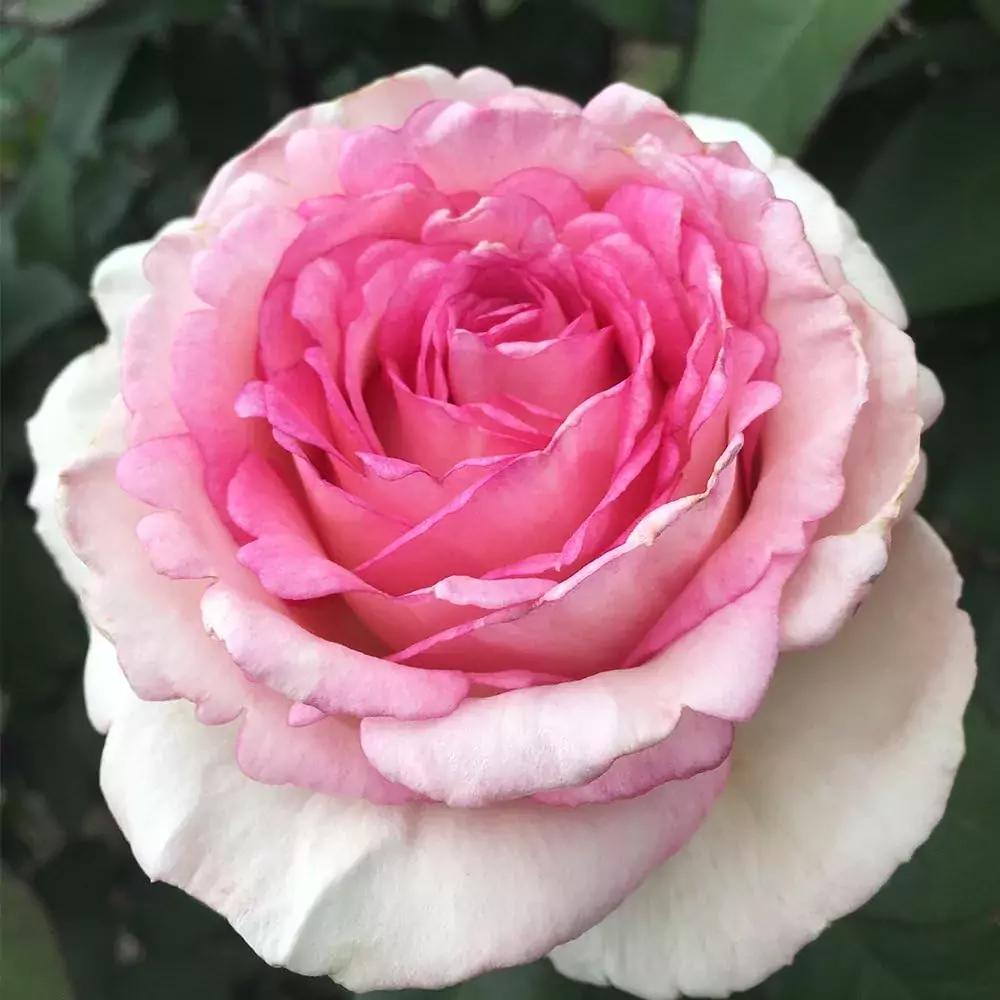
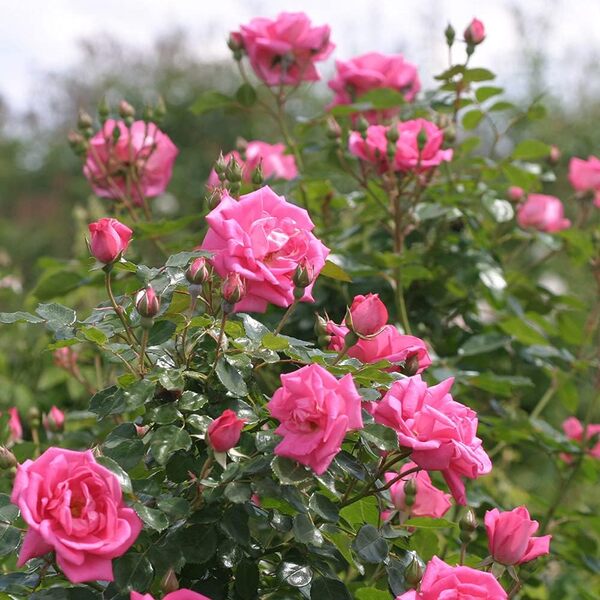
Eden Rose epitomizes romance with its large, soft pink blooms edged in cream. This climbing rose is perfect for adding vertical interest to your garden, whether it’s growing up a trellis, pergola, or garden wall. The flowers are densely packed with petals, creating a lush, classic look, and they have a light, sweet fragrance. Eden Rose is known for its vigorous growth, reaching heights of up to 10 to 12 feet, and it’s also highly disease-resistant, making it a favorite among gardeners.
- Best For: Climbing trellises, arches, or garden walls.
- Key Characteristics: Large blooms, light fragrance, and strong climbing habit.
- Care Tips: Provide sturdy support for its growth and ensure full sun exposure. Regular pruning helps maintain its shape and encourages blooms.
7. Pink Parfait Rose
Layered, Bi-Color Beauty
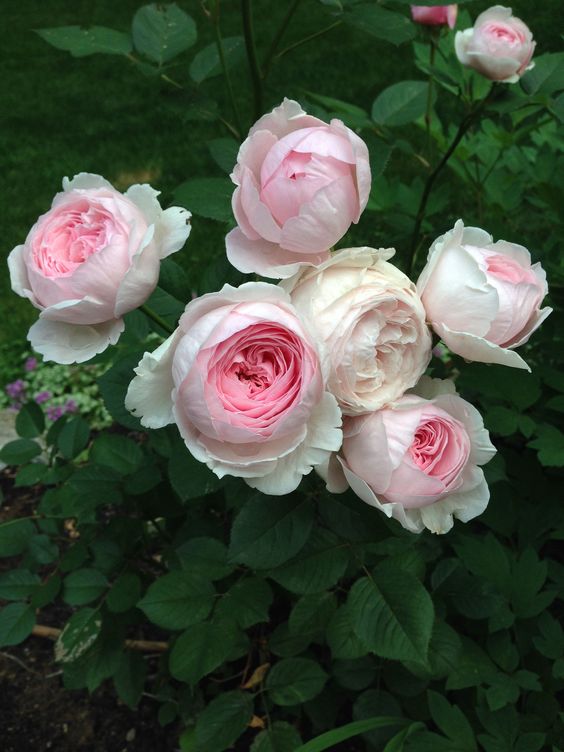
Pink Parfait offers a sweet, two-toned display of pink and creamy white petals layered into a beautiful rosette shape. This variety remains relatively small—about four feet tall and wide—perfect for containers or tight spaces. Its good disease resistance makes it easier for newer gardeners to enjoy its striking blooms without stress.
- Best For: Smaller gardens, container growing, accent pieces in mixed flower beds
- Standout Traits: Bi-color petals, compact habit, reliable performance
- Care Essentials: Provide steady watering and regular feeding. Deadheading spent blooms encourage a continuous show.
8. My Annie
Tiny Yet Mighty
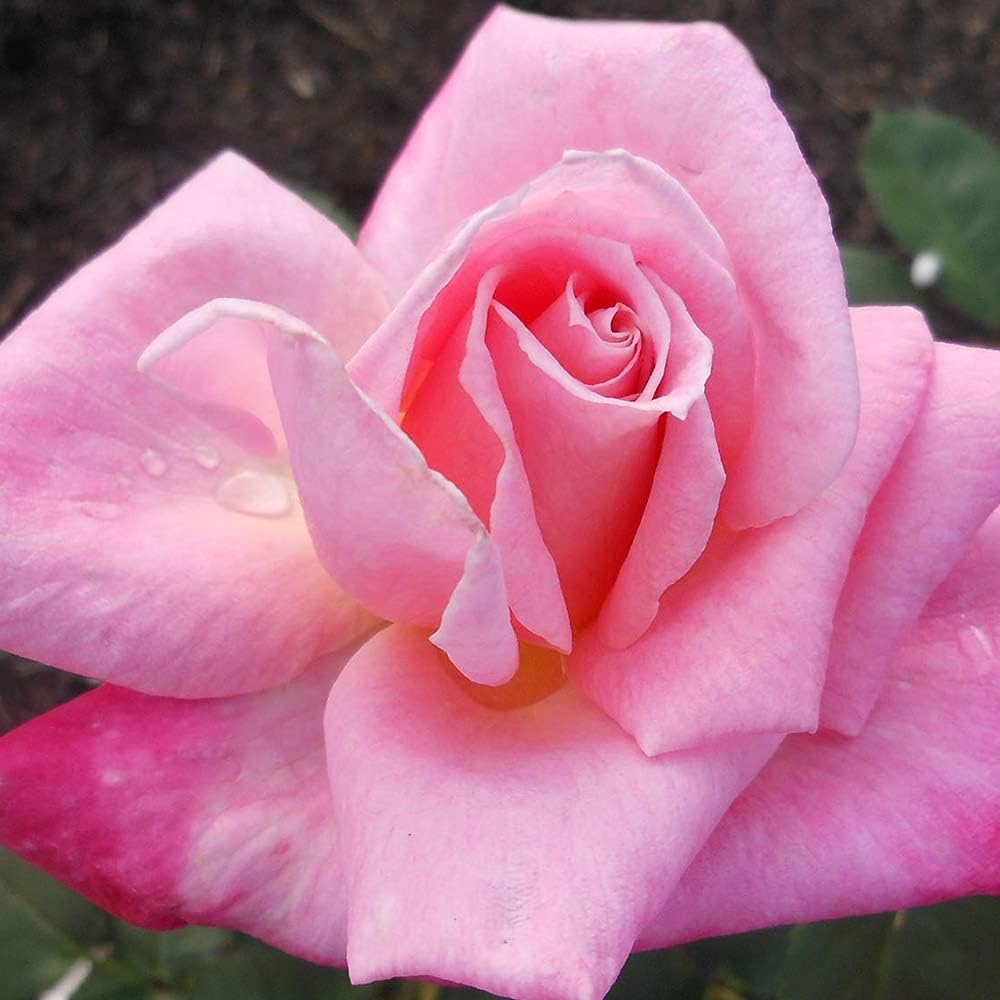
My Annie might be small, but it’s brimming with charm. Petite, soft-pink flowers cover their compact form, usually topping at two to three feet in height and width. While it may not have a potent fragrance, it does boast excellent disease resistance and simplicity of care, making it a favorite for small gardens, balcony containers, or patio displays.
- Best For: Patios, miniature gardens, container arrangements
- Standout Traits: Diminutive size, lovely pastel blooms, low upkeep
- Care Essentials: Place in a sunny spot, keep the soil moist but not waterlogged, and consider a light trim to maintain shape.
9. Pretty Lady Rose
Elegance in Bloom
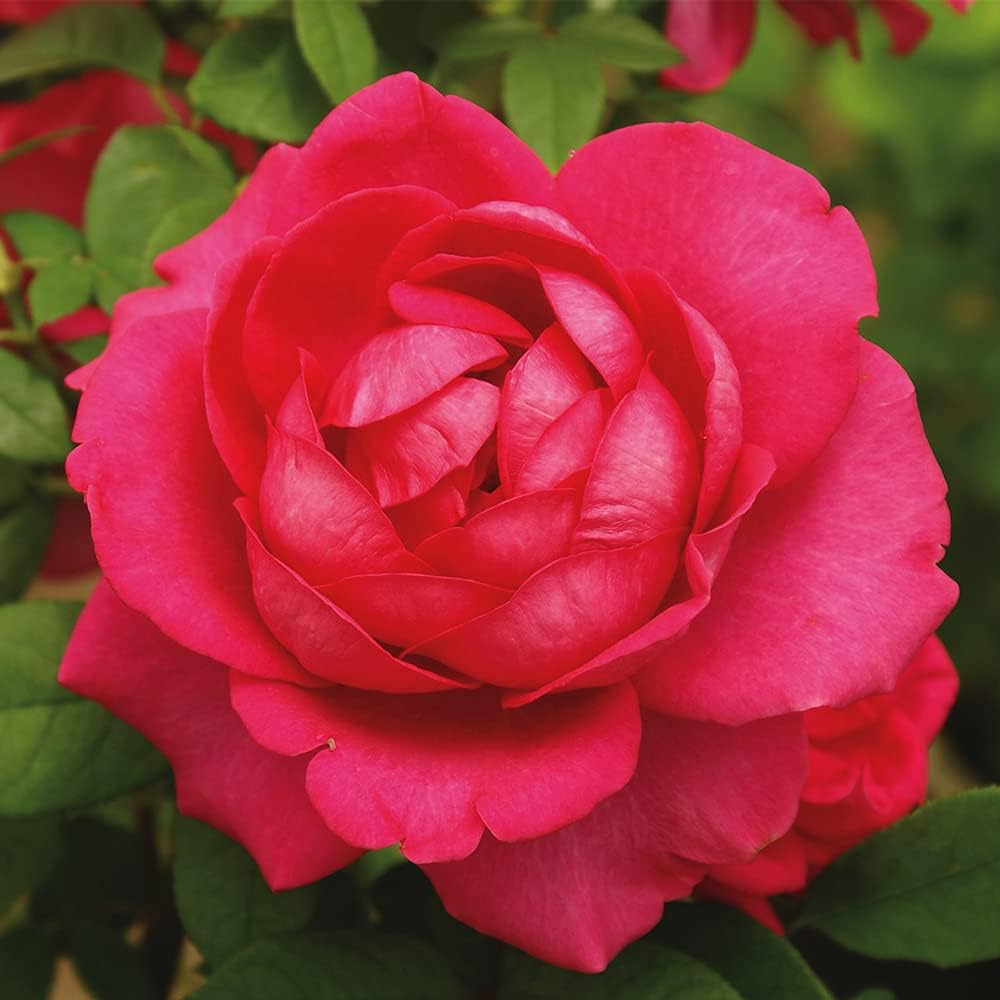
Pretty Lady Rose offers large, deeply colored pink flowers that demand attention. The medium-intensity fragrance is pleasing enough to enjoy without overwhelming other garden scents. Growing about four feet tall and three feet wide, this rose’s bushy shape makes it a solid choice for rose beds or as a standout in a mixed border. It’s relatively disease-resistant, too.
- Best For: Borders, rose gardens, or a statement piece in mixed plantings.
- Standout Traits: Vibrant pink blossoms, moderate yet delightful fragrance
- Care Essentials: Plant in well-draining soil with ample sunshine. A light pruning in early spring keeps it healthy and encourages new growth.
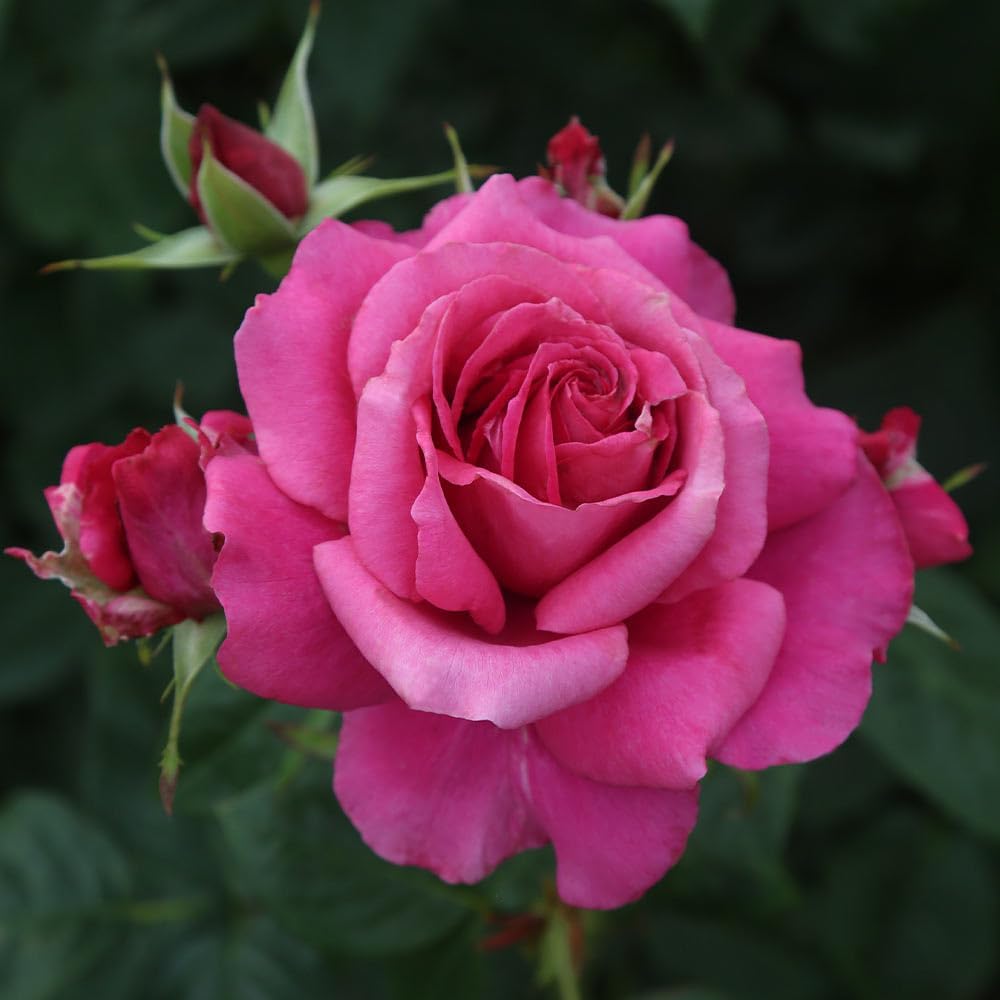
10. Thérèse Bugnet
Rugosa Rose for Tough Conditions
Looking for a rose that can thrive in challenging climates? Thérèse Bugnet is a rugged rugosa variety capable of enduring harsh winters. Its medium-pink flowers offer a lovely fragrance, and the nearly thornless canes make it easy to handle. Growing up to six feet tall and wide, it can work as an informal hedge or blend into naturalistic garden settings.
- Best For: Cold-weather gardens, informal hedges, low-maintenance landscapes
- Standout Traits: Thornless stems, hardy growth, pleasantly fragrant flowers
- Care Essentials: It adapts to varied soils but does best in the sun. Only minimal pruning is necessary—remove any dead or damaged branches.
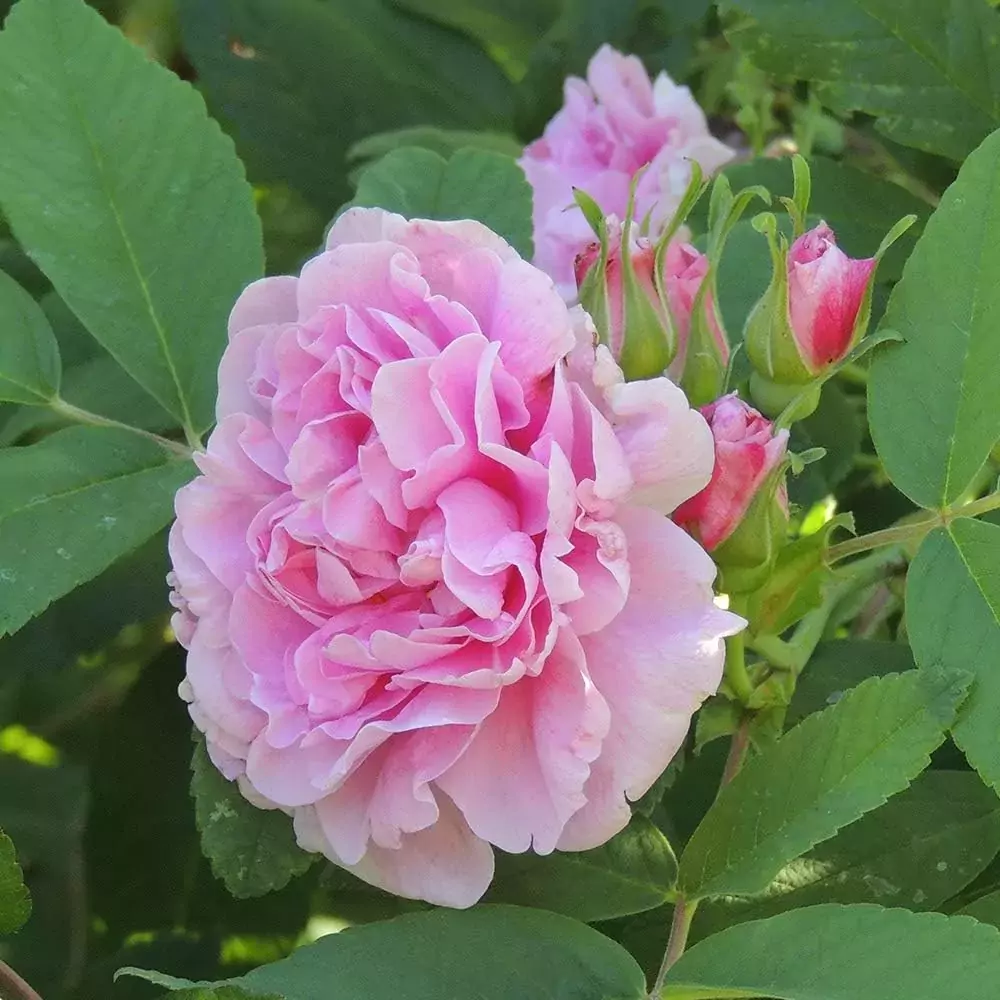
11. St. Elisabeth of Hungary
Historic Charm and Abundant Blooms
St. Elisabeth of Hungary adds old-world sophistication to any garden. This upright grower, which can reach about five feet tall and wide, will produce a profusion of medium-pink blooms. Its dense and attractive foliage provides an ideal backdrop for the lavish flowers. While it does fairly well resist diseases, regular care still helps it reach its full potential.
- Best For: Standalone focal points, mixed borders, historically themed gardens
- Standout Traits: Tall, bushy habit, classic pink flowers, moderate disease resistance
- Care Essentials: Generous sun exposure, regular watering, and deadheading to extend blooming periods.
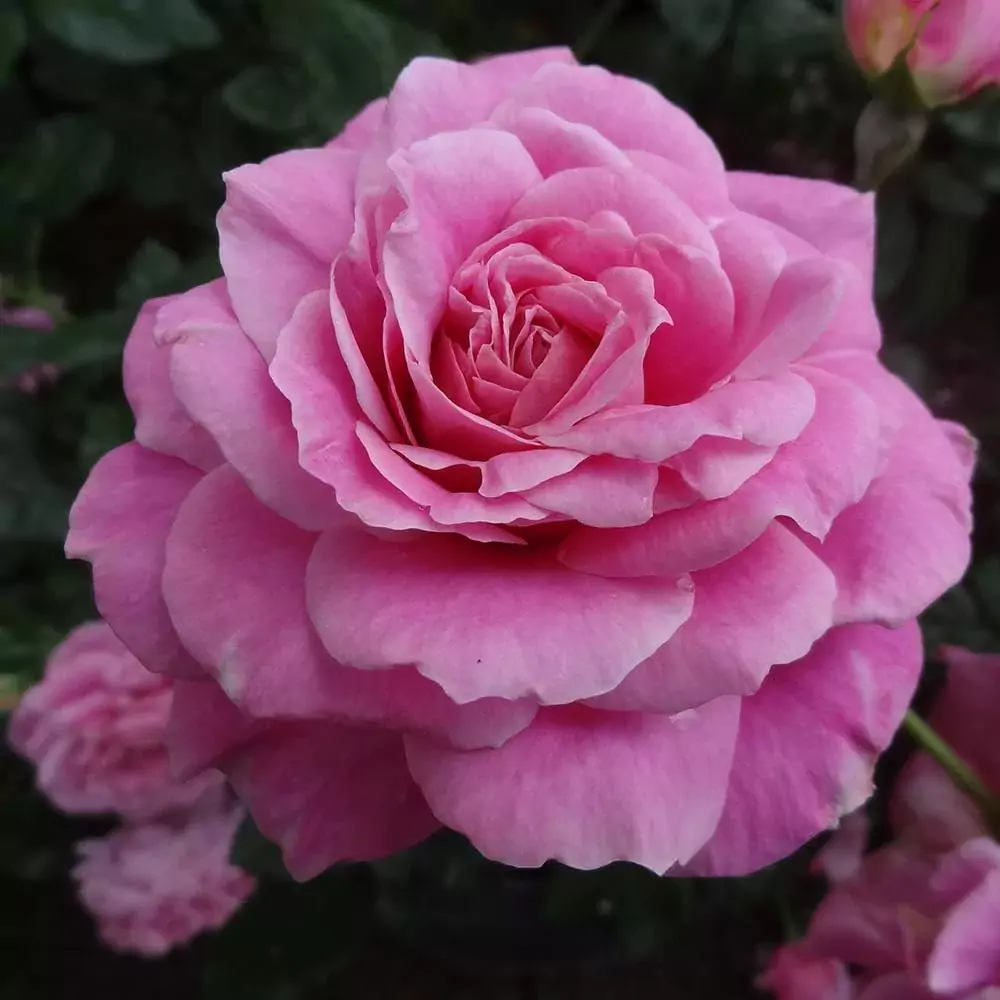
12. Earth Angel Rose most romantic Pink rose
A Fairytale Come to Life
Earth Angel’s creamy-pink petals, reminiscent of peonies, create an enchanted atmosphere in any garden. The fruity-sweet fragrance calls to mind classic rose perfumes, making this variety a dream for those who love aromatic blossoms. It is about three feet tall and wide and fits well into smaller gardens, pots, and even formal beds. On top of all that charm, Earth Angel offers good disease resistance.
- Best For: Container gardens, smaller spaces, romantic accents
- Standout Traits: Peony-like blooms, sweet aroma, compact size
- Care Essentials: Position in full sun and well-draining soil. Pruning once a year helps maintain shape and encourages vigorous growth.
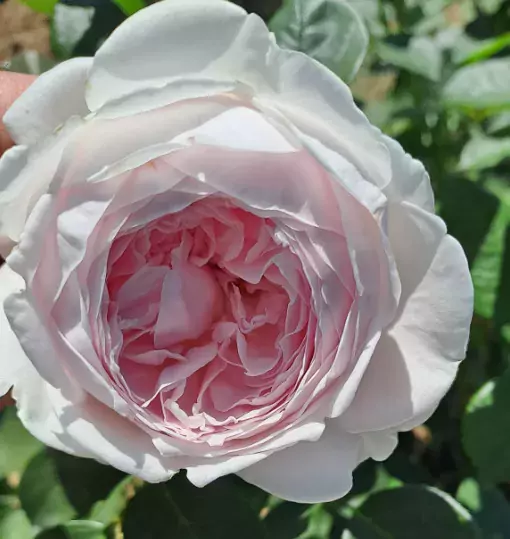
13. Savannah Pink Rose
Modern Favorite with Style
Savannah is a crowd-pleaser thanks to its luscious cup-shaped blossoms in a vibrant yet soft pink hue. The light, fruity fragrance is pleasant without overpowering other garden scents. Expect it to grow three to four feet tall and wide, which suits containers, flower beds, or low hedges. This variety’s heat tolerance and disease resistance make it a perfect pick for warmer locales.
- Best For: Pots and planters, sunny flower beds, or forming a low hedge
- Standout Traits: Cup-shaped petals, gentle fragrance, heat tolerance
- Care Essentials: Place in a spot with plenty of sun water consistently during hot spells, and fertilize regularly.
14. Summer Romance rose
A Perfume Lover’s Dream
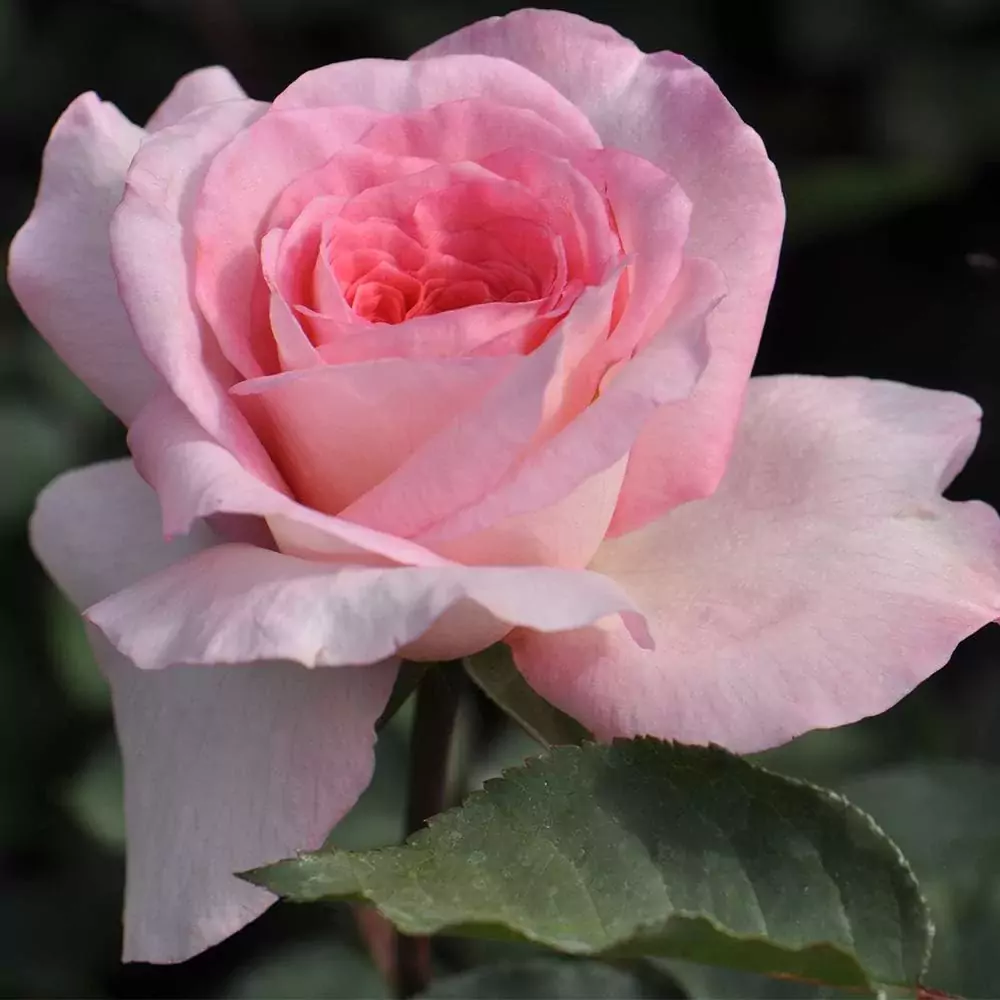
If fragrance is your top priority, Summer Romance will be your new favorite. Its richly layered deep-pink flowers exude an intense, traditional rose scent. This robust variety grows around four to five feet in height and width, forming a bushy outline that looks lovely as a standalone feature or as part of a large perennial bed. It’s surprisingly tolerant of heat and common diseases.
- Best For: Fragrant focal points, standalone garden features, romantic flower beds
- Standout Traits: Powerful perfume, large double blooms, hearty growth
- Care Essentials: Adequate sunlight, consistent watering, and occasional feeding. Good airflow helps prevent fungal problems.
15. Bonica Rose
Low-Maintenance Marvel
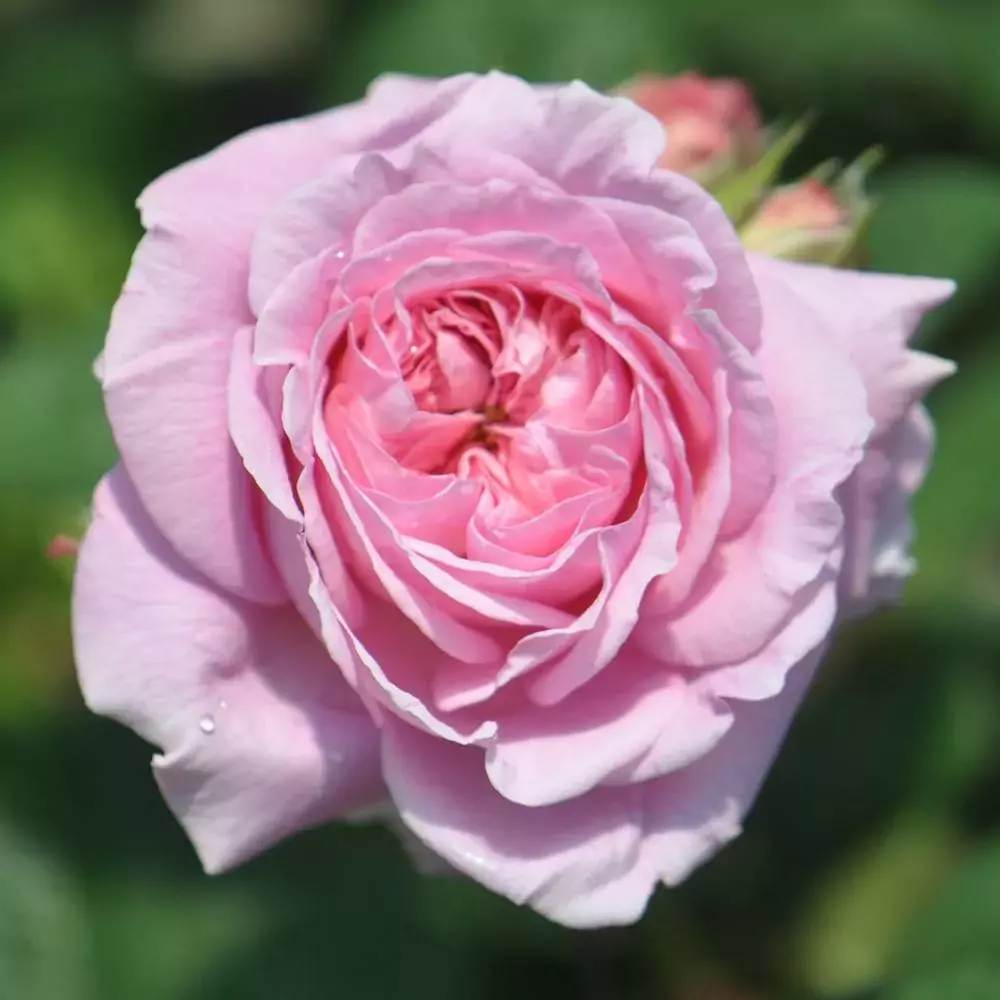
Bonica is as dependable as roses come. It delivers clusters of gentle pink flowers all season long, brightening the garden from late spring through fall. Growing up to five feet tall and wide, this robust shrub works perfectly for hedges and borders and as a standout feature. Disease worries are minimal, making it an excellent fit for busy or first-time rose growers.
- Best For: Hedges, mixed borders, landscaping with minimal upkeep
- Standout Traits: Constant blooms, easy care, strong disease resistance
- Care Essentials: Prune lightly in spring and provide weekly deep watering. Bonica appreciates rich soil and generous sunlight.
Making the Most of Pink Roses in Your Garden