
Roses can tolerate light frost, but prolonged cold below -10°C (14°F) can cause cane dieback and root damage, especially in tender varieties. Cold hardiness depends on duration of cold, soil freezing, wind exposure, and whether roses entered dormancy gradually. Canadian-bred roses are among the most cold-tolerant, surviving temperatures as low as -30°C (-22°F) once established.
How Cold Can Roses Tolerate? And What to Do When Winter Gets Serious
One winter, the temperature in my garden dropped fast and stayed there. Not just a cold night or two, but days of bitter air that never seemed to lift. The roses were buried under snow so deep that only the tips of a few canes showed. When spring finally came, some roses woke up as if nothing had happened. Others struggled, leafed out slowly, or died back to the ground.
That winter taught me something important: cold tolerance in roses isn’t theoretical. It’s practical. It’s about what kind of cold you get, how long it lasts, and whether your roses were prepared for it.
If you garden where winters can dip to -10°C (14°F) or lower, or where polar vortex events bring sudden deep freezes and heavy snow, this matters more than you might think.
How Cold Roses Can Really Tolerate
Most garden roses tolerate light frost. Temperatures around -6°C (20°F) usually don’t cause lasting damage, especially if the soil is still workable and the cold comes gradually.
Trouble starts when the cold becomes prolonged.
When temperatures stay below -10°C (14°F) for days or weeks, unprotected roses often suffer cane dieback. At -20°C (-4°F) and below, only genuinely cold-hardy roses or well-protected plants reliably survive.
But temperature alone doesn’t tell the whole story. A short dip to -15°C followed by milder weather can be less damaging than a steady -10°C that lasts for weeks. Frozen soil, drying winds, and repeated freeze–thaw cycles are what really wear roses down.
Canadian-Bred Roses: True Cold Champions
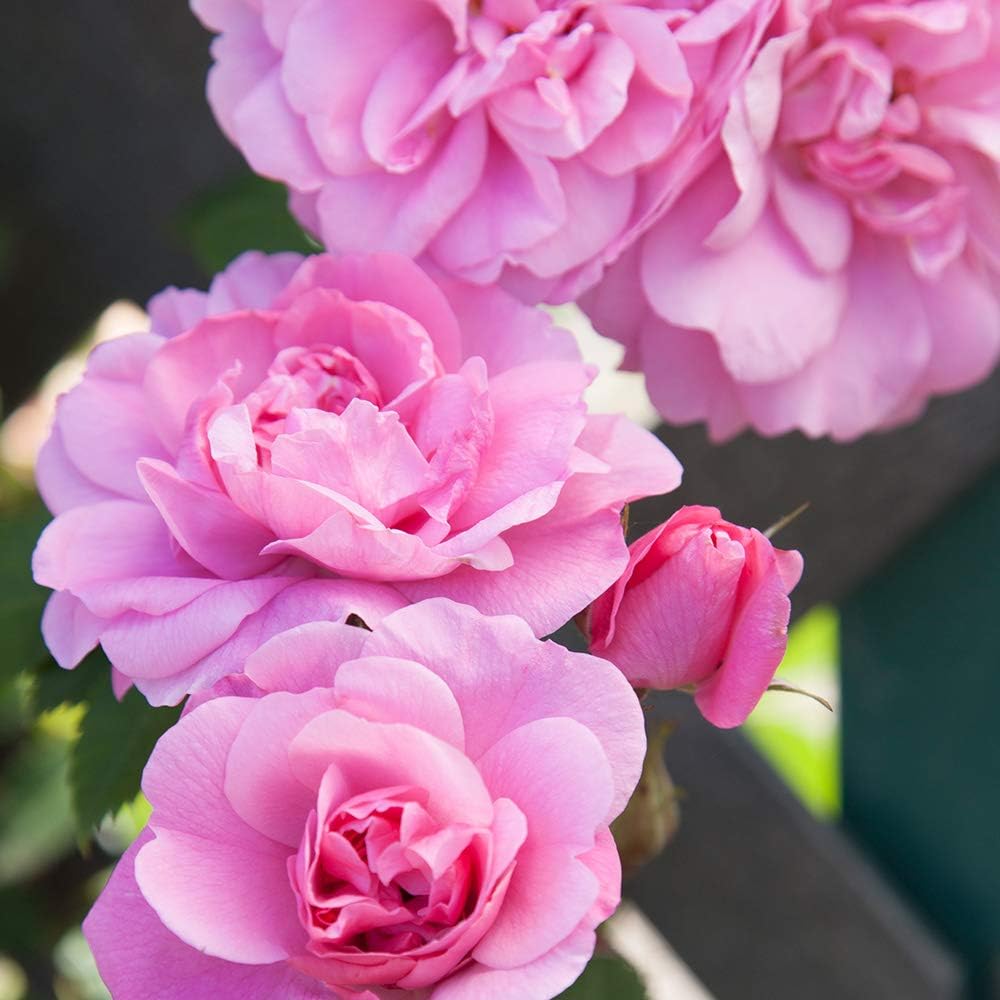
If there’s one group of roses I trust in cold climates, it’s Canadian-bred roses. These were developed specifically to survive harsh winters without elaborate protection.
Programs like Explorer and Parkland focused on roses that could endure extreme cold, deep snow, and short growing seasons. Many of these roses tolerate temperatures down to -30°C (-22°F) and colder once established.
What sets them apart isn’t just toughness. They naturally harden off in autumn. Their canes mature earlier, their growth slows on time, and they don’t fight dormancy. In my experience, that timing makes all the difference.
If you garden in a region with long, cold winters and want roses that don’t need constant winter worry, Canadian-bred roses are often the safest choice.
Garden tips
Don’t rush winter protection. Wait until the soil has started to freeze before mulching or mounding roses, this helps prevent rot and discourages rodents while improving cold tolerance.
When Covering Roses Is No Longer Optional
If your winters regularly reach -10°C (14°F) or colder for extended periods, covering roses is not overprotective—it’s sensible gardening.
Covering isn’t about keeping roses warm. It’s about keeping them stable.
The goal is to protect the crown and roots from deep freezing and, just as importantly, from temperature swings. A rose that stays cold consistently is usually safer than one that thaws and refreezes over and over.
In my garden, I start thinking about winter protection only after the roses are fully dormant. That usually means several hard frosts and soil that’s beginning to freeze.
How Cover Roses for Winter
I always begin at the base. The most important part of a rose in winter is the crown or graft union.
Once the ground is cold, I mound soil or compost around the base of the rose, covering the graft by several inches. This protects the most vulnerable tissue from lethal cold.
After that, I add mulch, shredded leaves, aged bark, or compost on top. The mulch isn’t there to heat the plant. It slows temperature changes and keeps the soil evenly frozen.
For very tender roses, some gardeners add breathable coverings like burlap around the plant, but I avoid plastic. Plastic traps moisture, encourages rot, and can cook canes on sunny winter days.
Less is often more.
Garden tips
Let snow work for you. If roses are covered by snow during deep cold or a polar vortex, leave it in place. Snow insulates canes and roots better than bare air.
Regions With Polar Vortex Events and Heavy Snow
Some regions don’t normally cover roses at all. Winters are usually manageable, and roses do fine until a polar vortex arrives.
These events are different. Temperatures drop suddenly, winds intensify, and snow can fall heavily in a short time. Roses that are normally fine can suffer severe damage if they aren’t prepared.
In these regions, timing matters.
When to Tie Roses Before a Polar Vortex
I tie roses just before extreme weather arrives, not weeks in advance.
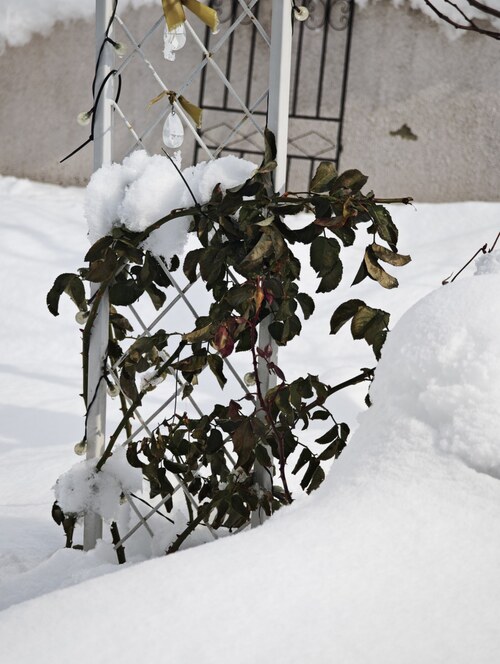
Climbing roses and tall shrubs are especially vulnerable to wind damage during polar vortex conditions. Long canes whip, crack, or dry out badly.
When a severe cold event is forecast, I gently gather the canes and tie them loosely with soft ties or twine. The goal isn’t to force them tight, but to stop movement. Snow is less likely to snap tied canes, and wind damage is significantly reduced.
I don’t prune heavily at this stage. I simply secure what’s already there.
Protecting Roses From a Polar Vortex: What Actually Helps
During extreme cold events, protection focuses on wind, roots, and stability.
Mulch becomes critical. Even roses that are normally left uncovered benefit from an extra layer at the base before a polar vortex hits.
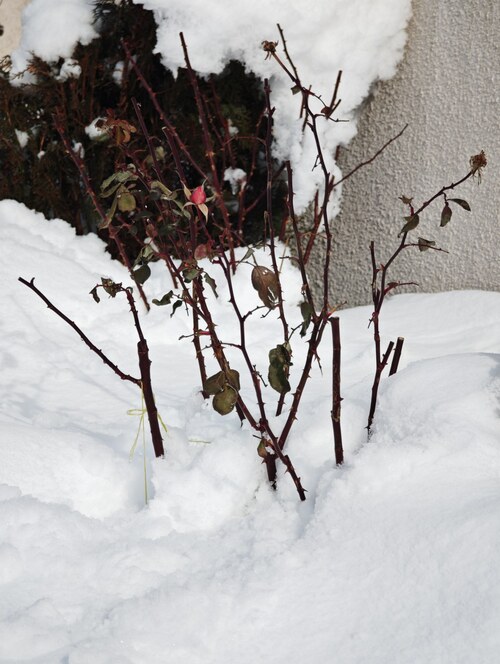
Snow, surprisingly, is often helpful. If roses are buried under snow, I leave them. Snow insulates far better than bare air, and shields canes from wind.
What I avoid is wrapping roses tightly or too early. Roses need air circulation, even in winter. Trapped moisture followed by deep cold causes more damage than cold alone.
After the event passes, I resist the urge to uncover or prune. Damage often isn’t visible until spring, and intervening too early can make things worse.
Garden tips
Tie, don’t prune, before extreme cold. When severe cold or high winds are forecast, gently tie long canes to prevent wind damage, but save pruning for spring.
Why Some Roses Fail After Severe Winter
When roses struggle after winter, it’s rarely because one night was too cold. It’s because the plant was stressed going in.
Late-season fertilizing, heavy fall pruning, poor drainage, or exhausted soil all reduce cold tolerance. Roses that enter winter mild are far more vulnerable, no matter how hardy the variety.
This is why I always say winter protection starts in summer with healthy soil and balanced growth.
Frequently Asked Questions About Roses and Extreme Cold
Yes. Canadian-bred roses were developed specifically to survive extreme cold and often need little to no winter protection once established.
If low temperatures last more than a few days, covering the crown and roots is strongly recommended, especially for grafted or tender roses.
Snow is usually beneficial. It insulates the soil and protects canes from drying winds.
Tie roses shortly before severe cold or high winds arrive, not early in the season. This prevents wind damage without interfering with dormancy.
They can, especially if the cold is sudden and combined with wind and bare soil. Temporary protection can make a big difference.
No. Uncovering during winter thaws often leads to more freeze–thaw damage later.
A Closing Thought From My Garden
Cold doesn’t have to be feared, but it does need to be respected. Roses are tougher than they look, especially when we choose the right varieties and work with winter rather than fight it.
If your roses struggle after winter, failing to grow or bloom the way they should, I’ve broken this down in detail in Why Doesn’t My Rose Grow and Bloom? – 100 Reasons and Solutions, where winter stress and recovery are common themes I see in real gardens.
For gardeners dealing with unpredictable winters, the Rose Garden Planner 2026 – Log Book helps track temperatures, snow cover, and dieback year after year. Patterns emerge quickly when you write them down.
And if you want roses that face cold with real resilience, Revolution in the Rose Garden – Organic Rose Gardening explains how soil health builds plants that survive winter and bounce back stronger in spring.
Winter will always test roses. With the right approach, it doesn’t have to defeat them.
Rose gardening books


Step into a calmer, more confident rose season. With Ann Devis’s rose gardening books and planner, you’ll get simple organic routines, proven tips, and checklists that keep your roses thriving – from first bud to last bloom.