
Most rose problems don’t come from neglect. They come from good intentions and plans that are simply too rigid for real gardens.
I’ve seen it happen many times. Gardeners sit down with the best intentions, write out a perfect schedule, and then the season quietly ignores it. Spring comes early or late. Soil stays cold longer than expected. A heatwave hits in June. And suddenly the plan starts working against the roses instead of helping them.
Over the years, I’ve learned that good rose care planning isn’t about control. It’s about paying attention. When you plan around how roses actually respond to temperature, moisture, soil life, and stress, most problems never really get started.
Late winter to early spring: plan around growth, not dates
This is where most rigid plans fall apart. Calendars say “prune in March,” but roses don’t care about months. They respond to temperature and light.
In my garden, I don’t even think about pruning until daytime temperatures are consistently above 5–7 °C (40–45 °F). At the same time, I watch the buds. When they swell and look slightly glossy, the rose is waking up.
If nights are still dropping sharply below freezing, I wait. Pruning too early often leads to dieback, especially on strong canes that would have grown beautifully if left alone just a bit longer.
When I do prune, I keep it deliberately simple. I remove dead or damaged wood, take out canes that cross and rub, and open the center just enough so light and air can move through. I stop long before the bush looks shaped or tidy. Roses don’t need to look good after pruning — they need to recover well.
Over-pruning causes far more trouble than careful restraint.
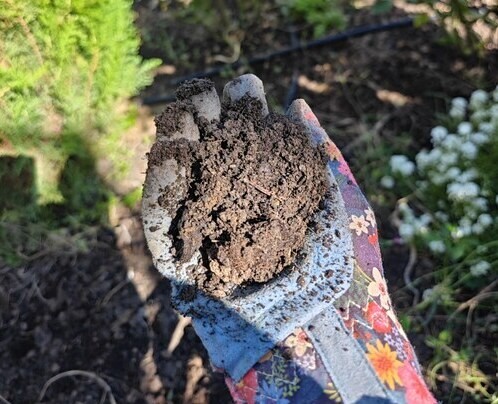
Right after pruning, my attention goes straight to the soil. I add compost and mulch before any feeding. You can often feel the soil change under your hands – softer, slightly warmer, more alive. Feeding soil life first means the rose won’t be pushed before it’s ready.
Spring growth: support steady energy, don’t force it
When leaves begin to unfold, roses do need nutrients — but only when the soil is actually awake.
I don’t feed by the calendar. I feed by temperature. In my experience, there’s little benefit to feeding roses until soil temperatures are stable at 10–12 °C (50–54 °F). Below that, microbes are slow, and strong feeding usually results in soft, watery growth that looks impressive for a moment before collapsing under pest or disease pressure.
This is also when I start watching closely for aphids. They’re usually the first to show up, clustering on fresh shoots. Aphids adore overfed roses, especially those pushed with nitrogen. When I see them early, I don’t rush to fight them — I treat them as feedback. Something has been rushed.
That’s why I always begin my season with aerated compost tea and compost. I use them intentionally because I believe roses should be fed through the soil, not forced directly. A thin layer of proper compost is better than kilograms of mineral fertilizers. When you feed bacteria, fungi, and mycorrhiza, they regulate how much nutrition the rose actually receives. Growth becomes steadier, leaves feel firmer to the touch, and problems show up less often. I describe this approach in detail here:
https://rosehomegarden.com/roses-with-natural-compost/
After that first feeding, I slow down. If new growth is calm, even, and a healthy green — not too dark, not too pale — I leave the rose alone. If growth races ahead, I know I’ve done enough.
This is also the moment when airflow matters most. I step back and look through the bush. If I can’t see light passing through the center, I think just a little. Not for shape, but so leaves dry quickly after rain. That single habit prevents more disease than most sprays ever will.
Summer: simplify care so it stays consistent
Summer is when rose care either becomes manageable—or exhausting.
The biggest mistake I see in summer is reacting instead of observing. Heat arrives, leaves soften slightly in the afternoon, and gardeners rush to water or feed. But roses are tougher than we think, as long as their roots are deep and the soil stays evenly moist.
I water deeply and less often, usually once or twice a week. I decide with my hands, not the forecast. If the soil is still moist a few inches down and feels cool, I don’t water. Constantly wet soil stresses roses just as much as drought, especially during heat.
After the first flush of blooms, I pay close attention to the shape of the bush. Summer growth can thicken quickly, blocking air and trapping humidity. That’s why I always plan light pruning after the first flowering. Not hard cutting — just enough to open the plant and guide new shoots outward. This improves airflow and helps roses recover faster for the next bloom cycle. I show exactly how I do this here:
https://rosehomegarden.com/how-to-prune-roses/
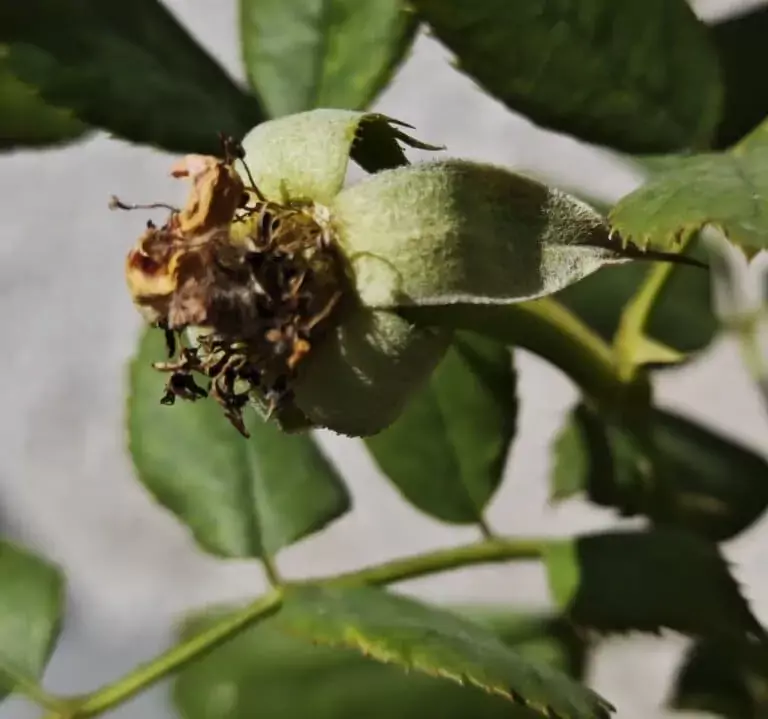
Deadheading happens naturally while I’m already in the garden. I don’t chase every spent bloom. Roses don’t need perfection to perform well.
Heat is the main challenge of summer. During prolonged hot periods, roses often slow down. Blooms may be smaller, leaves duller, and growth may pause. That’s not failure — it’s survival. At that stage, my goal is protection, not production. Mulch, consistent moisture, and patience matter far more than fertilizer.
Fall: slow down on purpose
Fall is where next year quietly begins.
By late summer, I stop feeding and deadhead less. I allow the rose to slow naturally instead of pushing for “one more flush.” Forced late growth weakens plants before winter.
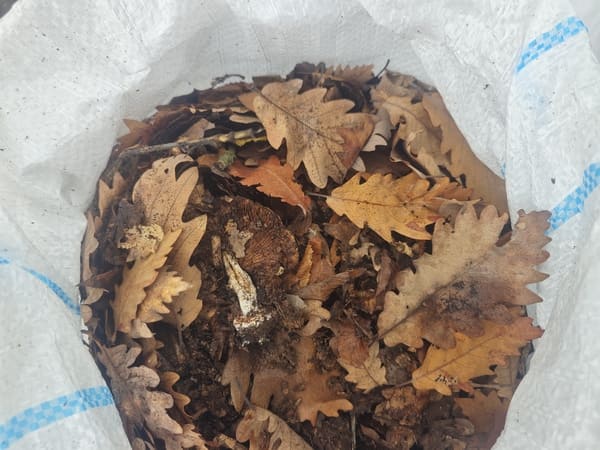
I only remove leaves if they’re clearly diseased. Healthy leaves stay. They protect the soil and continue feeding it. Roses keep photosynthesizing late into the season, and that energy supports mycorrhiza below the surface.
I add mulch before winter, not after the ground freezes. In my garden, mulch breaks down quickly — sometimes within a month — so getting it down early matters. I often use fallen tree leaves for this and explain why here:
https://rosehomegarden.com/leaf-mold/
Climate, soil, and persistent problems: a realistic note
I’m often asked how to adapt all this to very different climates. My answer is always the same: adapt the timing, not the principles.
In cold climates, everything shifts later. In hot climates, summer stress comes earlier and lasts longer. During extreme weather — heatwaves, heavy rains — I do less, not more. I focus on moisture, mulch, and airflow instead of forcing growth.
If your soil is heavy clay or poor, don’t try to fix it in one season. Compost, mulch, and time matter more than products. I disturb the soil as little as possible and let biology rebuild structure gradually.
And if pests or diseases keep returning despite organic care, I treat that as information. I look at heat stress, overcrowding, watering habits, and nitrogen levels before reaching for another solution. Organic gardening doesn’t mean zero problems — it means fewer problems over time because the system is healthier.
A practical way to make planning easier
All of this becomes much easier when you write things down.
Not long notes — just observations. When buds swelled. When aphids appeared. When heat stress started. Those small details turn into patterns surprisingly fast.
That’s why I created the Rose Garden Planner 2026 – Log Book. It isn’t about strict schedules. It’s about helping you see what actually happens in your garden, season after season.
Used alongside Why Doesn’t My Rose Grow and Bloom? – 100 Reasons and Solutions and Revolution in the Rose Garden – Organic Rose Gardening, it becomes a quiet but powerful tool — one that works with real weather, real soil, and real life.
Good rose care planning isn’t rigid. It’s observant, flexible, and grounded in experience. And when you plan that way, roses respond beautifully.
Rose gardening books

Step into a calmer, more confident rose season. With Ann Devis’s rose gardening books and planner, you’ll get simple organic routines, proven tips, and checklists that keep your roses thriving – from first bud to last bloom.
Frequently Asked Questions About Year-Round Rose Care
I prune when daytime temperatures stay consistently above 5–7 °C (40–45 °F), and buds begin to swell and turn slightly glossy. That moment tells me the rose is waking up and ready to heal quickly. If nights are still sharply cold, I wait. Pruning too early often leads to dieback, while pruning at the right moment results in strong, confident spring growth.
I wait until the soil warms to around 10–12 °C (50–54 °F). You can often feel the difference — the soil no longer feels icy and lifeless when you touch it. Below that temperature, soil organisms are still slow, and feeding too early usually produces soft, weak growth that attracts pests instead of supporting the plant.
In many gardens, aggressive chemical spraying isn’t necessary. I do use preventive organic sprays, but gently and intentionally. About once every two weeks, I spray my roses with a simple mixture of water and milk whey. It helps suppress fungal diseases without harming the soil. Still, sprays only work as support. Good airflow inside the bush, living soil, and thoughtful watering habits do far more to keep roses healthy than any spray ever could.
I water deeply and less often — usually once or twice a week. Instead of looking at the weather forecast, I check the soil. If it’s still moist a few inches down, I don’t water. Roses cope with heat far better when their roots are encouraged to grow deep rather than staying near the surface.
Yes, I almost always do light pruning after the first flush. Summer growth can quickly thicken the bush, blocking air and trapping humidity. I don’t cut hard — just enough to open the center and guide the shape. This small step improves airflow, reduces disease pressure, and helps the rose prepare for the next flowering cycle.
Aphids are often the first signal that something is off. They’re especially attracted to soft, fast growth caused by excess nitrogen. When I see aphids clustering on fresh shoots, I don’t immediately treat them as the main problem. I slow down, look at recent feeding, and check whether I pushed growth too hard.
Observation, without a doubt. Noticing when buds swell, how leaves respond to heat, or when pests first appear teaches you more than any fixed schedule. Writing down these small details — even just a few words — turns experience into guidance for the next season.
I adjust timing, not principles. In cold climates, everything shifts later. In hot climates, summer stress comes earlier and lasts longer. During extreme heat or unusual weather, I do less, not more — focusing on mulch, moisture, and airflow instead of forcing growth. Roses are remarkably adaptable when we allow them to respond naturally.


