
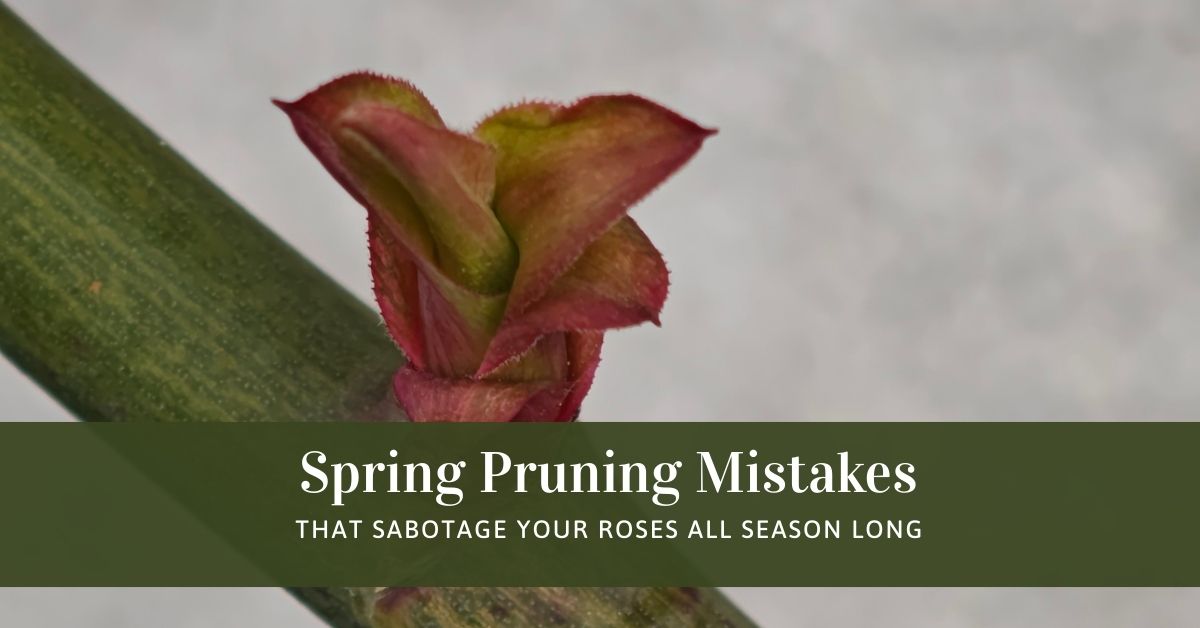
Spring rose pruning fails when roses are cut before they begin active growth. The clearest signs to prune are swelling buds, consistent new shoots, and forsythia bloom – not calendar dates. Early pruning removes stored energy, causing weak canes, poor blooms, and higher disease pressure all season.
They’re created the day pruning shears come out too early.
The #1 Killer Mistake: Pruning Before the Rose Says "Go!"
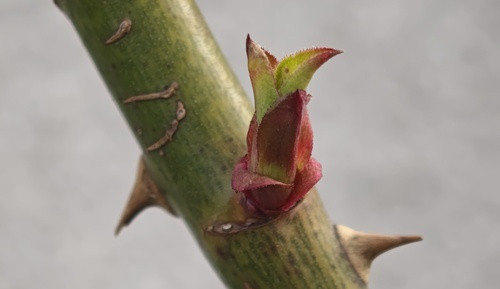
- Buds are visibly swelling and turning reddish or pinkish (the classic “bud break” signal).
- New growth is pushing consistently on several canes.
- In many regions, forsythia bushes are blooming bright yellow—that’s nature’s green light for pruning hybrid teas, floribundas, and most shrubs.
- Regional tweaks: Zones 3–4 (April), Zones 5–7 (March–April), Zones 8–9 (Feb–March), Zone 10 (Jan–Feb). Always wait past the last hard frost risk in your area.
How This Mistake Shows Up (And Why Fertilizer Won't Fix It)
- Uneven leaf-out? Stress from early cuts, not a quirky variety.
- Tiny, widely spaced first blooms? Energy wasted on recovery, not poor soil.
- Tall and skinny but never bushy? The structure got wrecked before growth started.
The rose will tell you when it’s ready.
What to Do Instead: Prune Smart, Not Hard
- Observe first, cut second. Wait for those swelling buds and early growth. Grab your sharp, clean bypass pruners.
- Prioritize health and strength over perfection. Keep strong, healthy canes (pencil-thick or better). Remove dead, damaged, diseased, weak, inward-crossing, or rubbing ones.
- Aim for an open vase shape — cut to strong outward-facing buds (about ¼–½ inch above) at a 45-degree angle sloping away from the bud. This opens the center for airflow and sunlight, reducing the risk of black spots and powdery mildew.
- Don’t overdo it. Most garden roses (not show exhibition types) don’t need to be stripped to a skeleton. Remove about ⅓ to ½ the height of healthy canes, leaving 4–8 strong ones in a balanced vase. Over-pruning triggers wild vegetative regrowth at the expense of flowers.
- Assess winter damage properly. Don’t prune blindly. Scratch canes to check for green tissue underneath. Damage often hides mid-cane in freeze-thaw zones – cut back to live wood, even if it means uneven heights at first.
Garden tips
Sanitation: Clean, But Don't Strip
If pruning still feels confusing, that’s a sign the system hasn’t fully clicked yet, not that you’re doing something wrong. Pruning only works when timing, structure, and plant readiness line up. For a deeper understanding of how different roses respond to cuts, seasons, and growth stages, browse our full pruning library here:
https://rosehomegarden.com/rose-pruning/
This is where the patterns become clear, and pruning stops feeling like guesswork.
One Game-Changing Question to Ask Yourself
What to STOP Doing This Spring (Firm Corrections!)
- Stop pruning by arbitrary dates. No more “Valentine’s Day massacre” unless your local buds are swelling.
- Stop blind uniform cuts. Check for live tissue first – don’t remove evidence of winter survival.
- Stop heavy early thinning for “airflow.” Wait until leaves emerge; premature exposure to the sun invites sunscald and weak growth.
- Stop over-pruning to a bare framework. Unless it’s a neglected old bush, restraint builds better long-term structure.
- Stop ignoring regional cues. Use forsythia bloom, bud swell, or last frost date, not the calendar.
Who this advice is for
It’s about intervening when the plant can actually use your help.
When pruning aligns with soil warmth, root activity, and plant readiness, roses respond with strength instead of stress. If you want fewer problems later, this is where it starts.
Rose gardening books


Step into a calmer, more confident rose season. With Ann Devis’s rose gardening books and planner, you’ll get simple organic routines, proven tips, and checklists that keep your roses thriving – from first bud to last bloom.

FAQ
Prune roses only after they show active growth. Swelling buds with pink or red color and consistent new shoots along several canes indicate the roots are active. In many regions, blooming forsythia is a reliable signal. Calendar dates alone are unreliable.
Early pruning removes stored carbohydrates the rose planned to use for strong basal growth. The plant responds with thin, fast-growing shoots that bloom poorly, flop over, and spend the season recovering instead of building structure.
Tall, weak growth usually means the rose was pruned before it was ready. The plant produces emergency growth instead of structural canes, leading to height without strength or bushiness.
No. Fertilizer applied after early pruning often makes the problem worse by pushing faster but weaker growth. The issue is timing, not nutrients. Roses need restraint, not more feeding, after early stress.
Most garden roses should not be cut down to bare frameworks. Removing about one-third to one-half of healthy cane height is usually sufficient. The goal is to support existing strength, not force the plant to start over.
Scratch the bark lightly. Green tissue underneath means the cane is alive. Winter damage often appears mid-cane, so avoid uniform cuts before checking for live wood.
Many roses struggle because they are reset every spring through early or excessive pruning. This prevents maturity and structural strength. Roses perform best when pruning confirms growth rather than erasing it.


