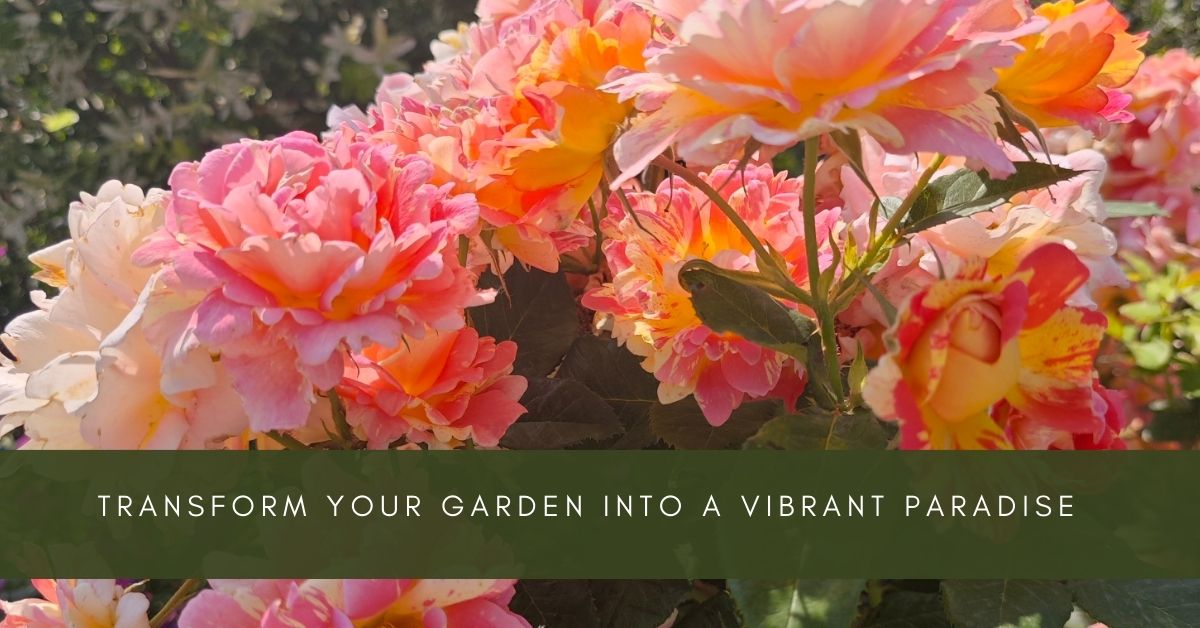
Most “all-summer” rose gardens fail for one reason: gardeners buy pretty roses, not repeat-bloomers, then let growth stall after the first flush. Choose varieties bred to flower in cycles (like Drift roses, floribundas, modern shrubs, and proven climbers such as Don Juan), give them at least six hours of sun, keep watering steady, feed regularly during active growth, and deadhead spent blooms so the plant doesn’t switch into seed-making mode. Do that, and the garden doesn’t go “green bush” in July it keeps producing flowers in waves until frost.
As an ardent rose enthusiast, I’ve spent countless hours in my garden, nurturing and experimenting with various rose varieties. There’s something magical about a garden filled with vibrant colors and enchanting fragrances of roses in full bloom. Today, I want to share my journey and guide you through creating a rose garden that blooms all summer long.
The Challenge of a Continuously Blooming Garden
When I started my rose garden, I eagerly planted every rose bush that caught my eye. The initial bloom was breathtaking, but then, to my dismay, the flowers faded, and I was left with a garden of green bushes. Then, I realized the importance of planning and choosing suitable varieties to ensure a season-long display of flowers.
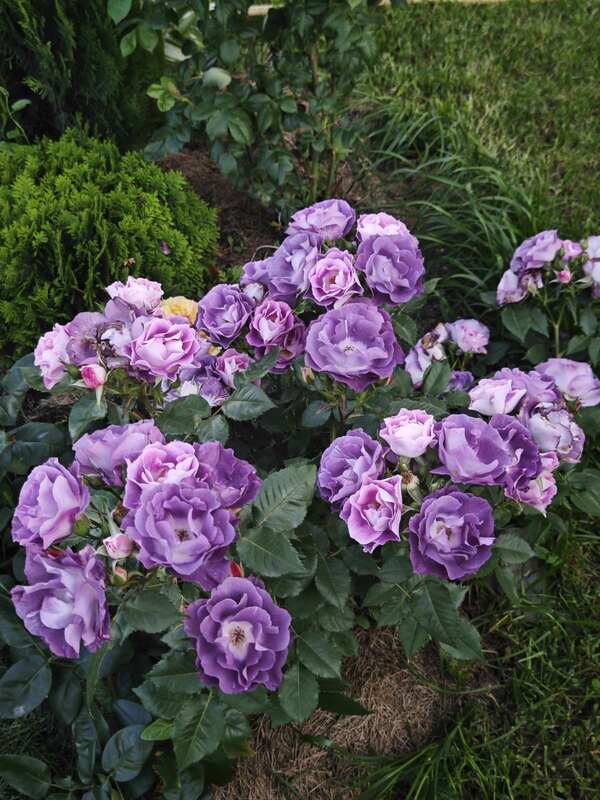
Blue for you rose
Planning Your Rose Garden: Avoiding Common Mistakes
Selecting suitable varieties is crucial for a continuously blooming garden. Modern breeders have developed roses that bloom repeatedly, ensuring a constant display of color. Let’s explore the top 10 roses that will keep your garden in bloom all summer.
Augusta Luise rose
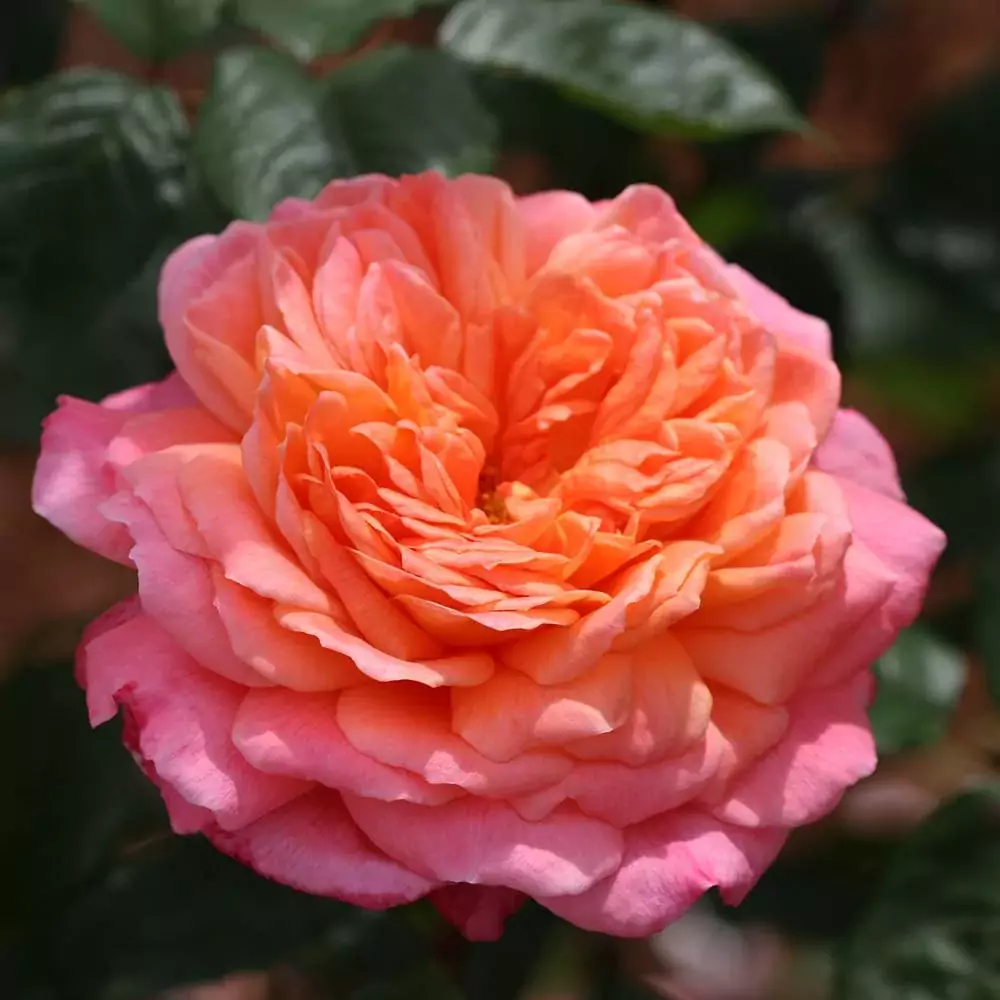
The Augusta Luise rose is a showstopper with its large, ruffled blooms in shades of peach, pink, and apricot. This hybrid tea rose is known for its strong fragrance and repeat-blooming nature. It’s a perfect choice to add elegance and a delightful scent to your garden.
Aroma: strong
Flower size:12-15cm
Height: 70-120 cm
Width: 70 cm
USDA: Zone 6
Resistance to powdery mildew: Excellent
Resistance to black spots: Excellent
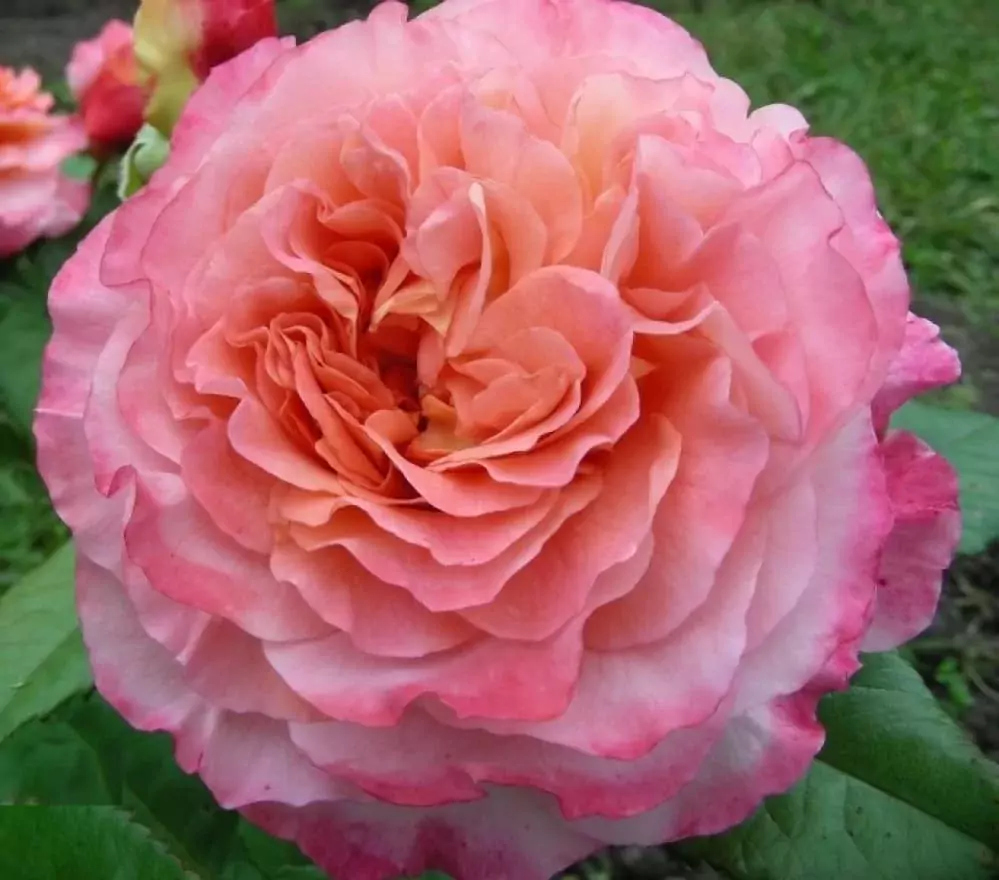
Antique Rose
Antique roses bring a touch of historical charm with their large, fragrant flowers. These roses bloom repeatedly and are known for their resilience and ability to thrive in various climates.
Aroma: light
Flower size:12-13cm
Height: 200-300 cm
USDA: Zone 6
Resistance to powdery mildew: Excellent
Resistance to black spots: Excellent
Garden tips
Diverse Selection: Choose roses from different groups, such as floribundas, hybrid teas, scrubs, and climbing roses, to ensure various bloom times and habits.
Cinco de Mayo rose
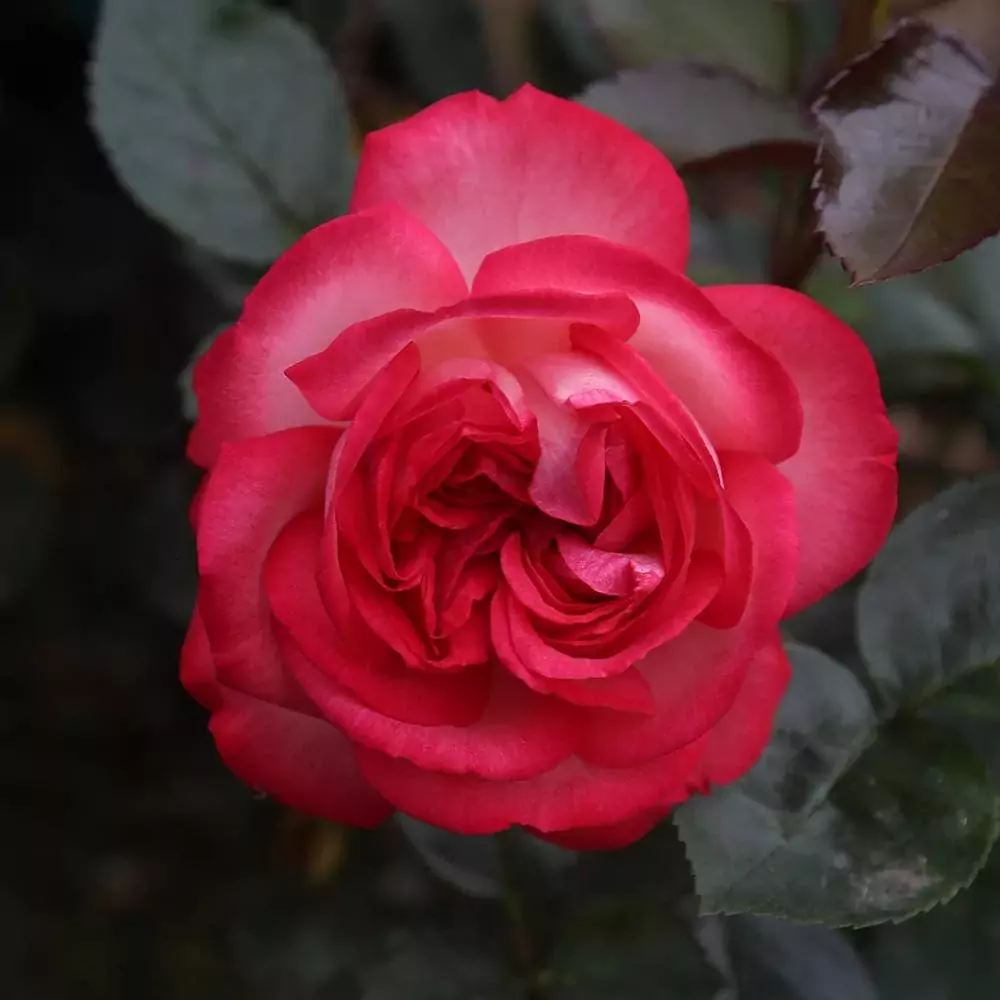
Cinco de Mayo is a floribunda rose with its unique rusty orange-red blooms. Its flowers have a slightly smoky hue, adding an exotic touch to your garden. This prolific bloomer provides continuous color throughout the summer.
Aroma: medium
Flower size:6-8cm
Height: 60-80 cm
USDA: Zone 6
Resistance to powdery mildew: Excellent
Resistance to black spots: Excellent
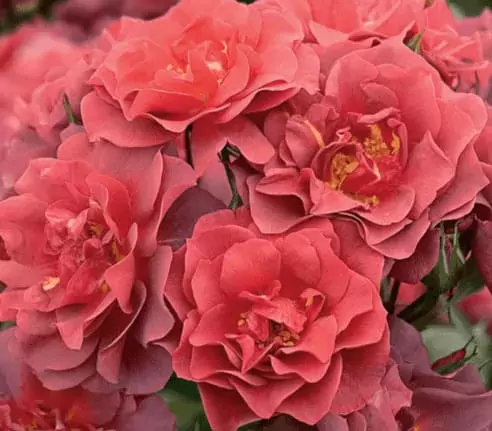
Apricot Drift is an excellent choice for those who love ground-cover roses. This low-growing rose produces clusters of small, apricot-colored blooms. It’s incredibly hardy and disease-resistant, making it a low-maintenance option for constant summer blooms.
Aroma: medium
Flower size:4-5cm
Height: 45 cm
USDA: Zone 6
Resistance to powdery mildew: Excellent
Resistance to black spots: Excellent
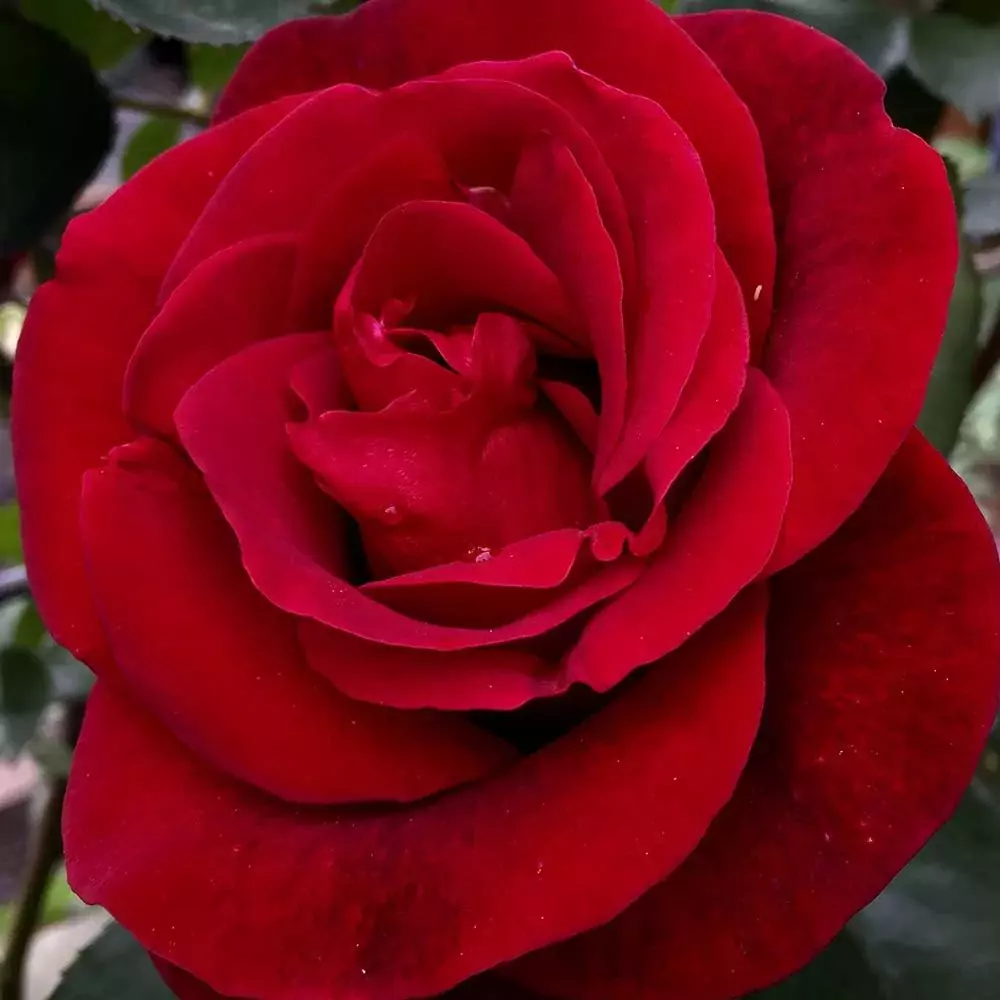
Don Juan is a climbing rose that will add vertical interest to your garden. Its deep red, velvety blooms are highly fragrant and appear in waves throughout the summer. Perfect for trellises or arbors, Don Juan creates a romantic and dramatic effect.
Aroma: strong
Flower size:9-12cm
Height: 200-300 cm
USDA: Zone 6
Resistance to powdery mildew: Excellent
Resistance to black spots: Excellent
Garden tips
Proper Spacing: Ensure adequate spacing between plants to allow air circulation and prevent disease.
The Fairy is a polyantha rose with small, delicate pink flowers that bloom profusely. This vigorous grower is ideal for borders or as a ground cover. Its continuous blooms provide a soft, fairy-tale-like appearance in your garden.
Aroma: light
Flower size:3-4cm
Height: 60-75 cm
USDA: Zone 6
Resistance to powdery mildew: Excellent
Resistance to black spots: Excellent
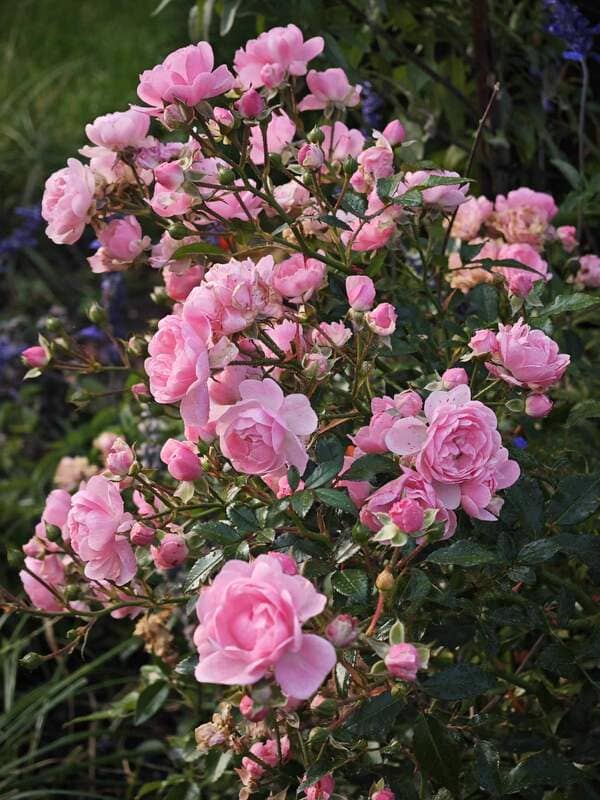
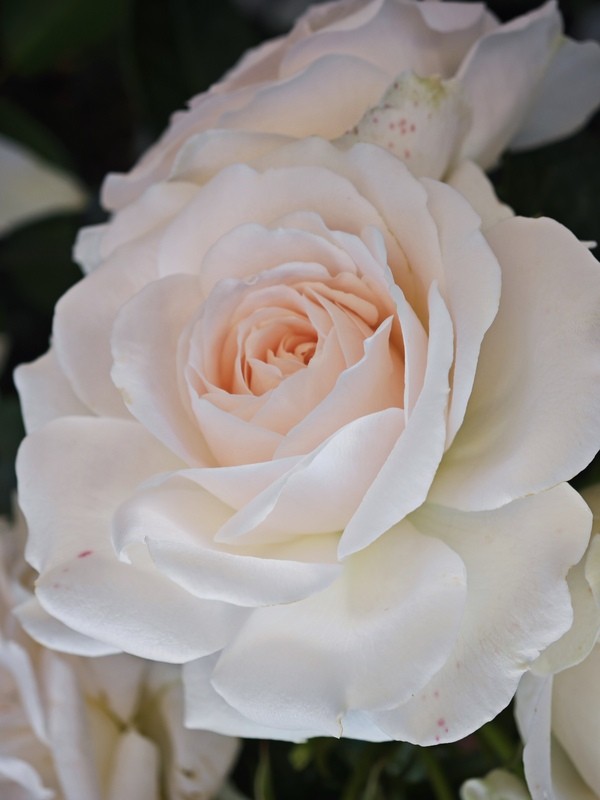
Miss Dior, a hybrid tea rose named after the famous perfume, is just as enchanting. Its elegant, pale pink blooms are highly fragrant and bloom in flushes throughout the season. This rose adds a touch of luxury to any garden.
Aroma: medium
Flower size: 8-10cm
Height: 120cm
USDA: Zone 6
Resistance to powdery mildew: Excellent
Resistance to black spots: Excellent
Garden tips
Regular Feeding: Roses are heavy feeders. Use a balanced fertilizer regularly to encourage growth and blooms.
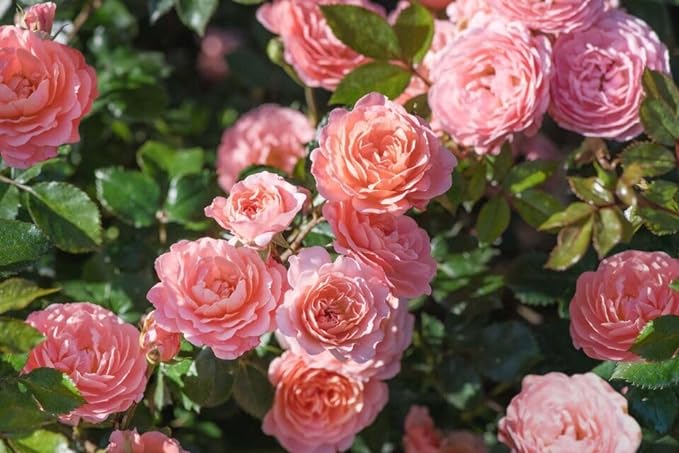
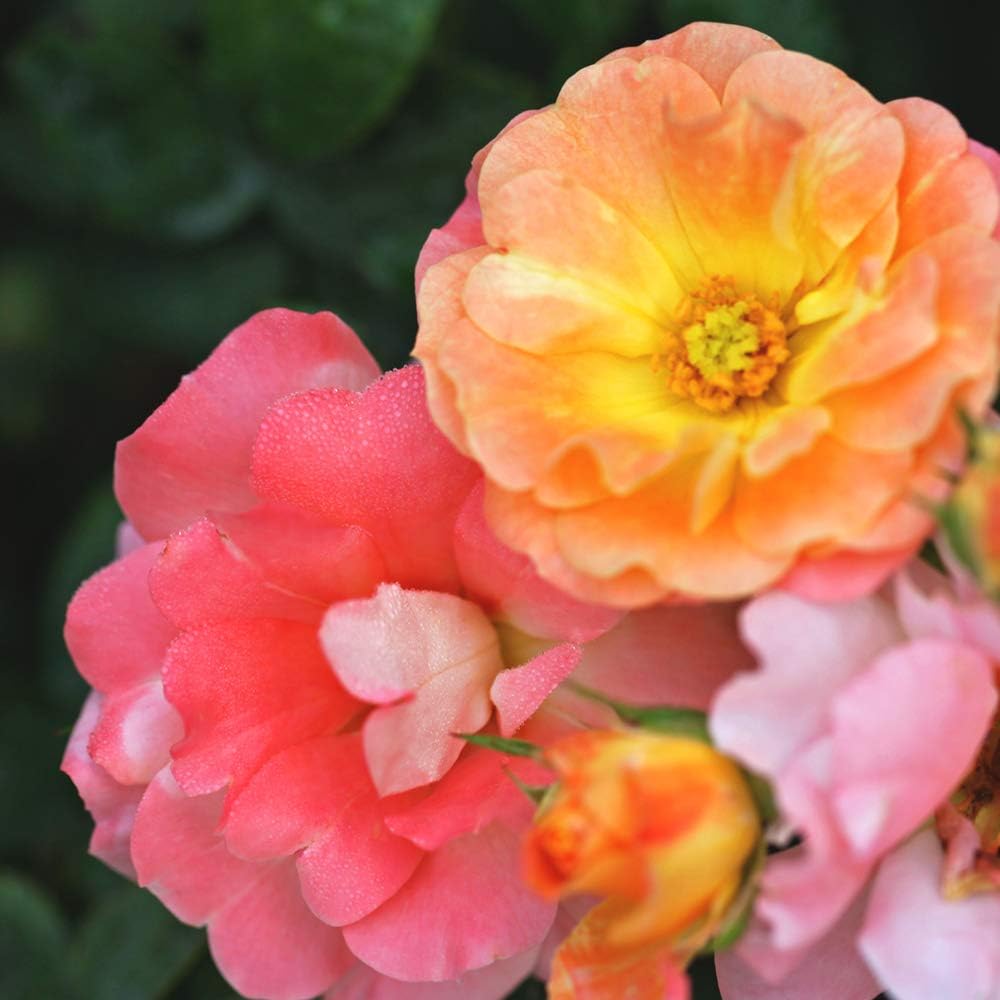
Another member of the Drift series, Peach Drift, produces stunning peach-colored blooms. This rose is compact and low-growing, perfect for borders or small spaces. Its continuous flowering habit ensures a steady display of color all summer.
Aroma: medium
Flower size: 4-5cm
Height: 35 cm
USDA: Zone 5
Resistance to powdery mildew: Excellent
Resistance to black spots: Excellent
Portlandia is a modern shrub rose with large, creamy white blooms. It is known for its strong fragrance and repeated blooming cycle. Portlandia is a versatile addition to any garden, providing beauty and scent.
Aroma: medium
Flower size: 9-10cm
Height: 245-305 cm
USDA: Zone 5
Resistance to powdery mildew: Excellent
Resistance to black spots: Excellent
Garden tips
Pruning: Deadhead spent blooms to encourage new flowers and maintain the plant’s shape.
How to prune roses after first bloom – read here.
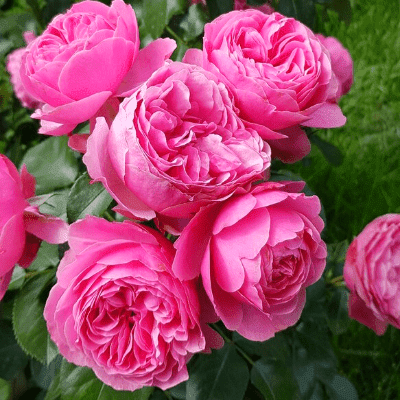
Leonardo Da Vinci is a floribunda rose with large, deep pink blooms. Its flowers are packed with petals, giving a lush, entire appearance. This rose is a prolific bloomer, ensuring a constant supply of blooms.
Aroma: light
Flower size: 7-10cm
Height: 110 cm
USDA: Zone 6
Resistance to powdery mildew: Excellent
Resistance to black spots: Excellent
FAQ
If your roses bloom hard once and then stall, don’t keep chasing random fixes. That’s where most gardeners get stuck – treating symptoms instead of rebuilding the system that keeps roses growing. For a clear, practical diagnosis checklist (and what to do next), start with Why Doesn’t My Rose Grow and Bloom? – 100 Reasons and Solutions
If you want your summer bloom plan to stay consistent year to year, track what you did and when. The smallest timing mistakes are the ones that steal the second and third flush. Use the Rose Garden Planner 2026 – Log Book to keep your season repeatable.
And if you’re ready to stop relying on sprays and start building roses that hold steady through the season, Revolution in the Rose Garden – Organic Rose Gardening lays out the soil-first approach that makes repeat bloom reliable.
Rose gardening books

Step into a calmer, more confident rose season. With Ann Devis’s rose gardening books and planner, you’ll get simple organic routines, proven tips, and checklists that keep your roses thriving – from first bud to last bloom.
Creating a continuously blooming rose garden takes planning and care, but the rewards are worth it. With the right selection of roses and proper maintenance, you can enjoy a garden that bursts with color and fragrance all summer. Each rose variety brings unique charm, ensuring your garden is beautiful and delightful throughout the season.
In my garden, I’ve found joy in the constant discovery and surprise of new blooms. It’s a living, evolving canvas that never ceases to amaze me. This guide inspires you to create your blooming paradise and experience the magic of roses all summer.


