You know that moment. You walk outside with your coffee, you look at your rose bush, and you’re thinking: “It’s green. It’s alive. It’s growing.
So why is it acting like flowers are a luxury product?”
Suppose that’s you — welcome. You’re not alone, and you’re not “bad at roses.”
Most non-blooming roses aren’t dramatic. They’re just – quietly stressed. And roses are polite like that: they don’t scream. They simply stop producing flowers until life feels safe again.
Here are the 7 reasons I see most often, along with the exact steps I would take this week.
1) Not Enough Sun (Even If Your Garden Feels Bright)
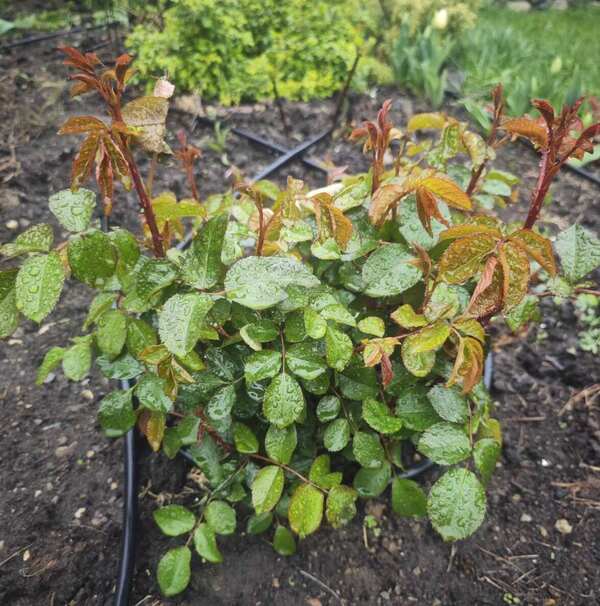
Roses are true sun worshippers. Without enough direct sun, they can still grow leaves — but flowering becomes weak or disappears.
And here’s the annoying part: many gardens look sunny, but the rose is living in “bright shade.” That’s not the same thing.
The test I use
If we were standing together by your rose, I’d say:
- Let’s check direct sun, not “it feels light here.”
- Watch from 8 AM to 4 PM (even just quick checks every hour).
- If the rose gets under 6 hours of direct sun, blooming will usually be sparse.
What I’d do
- Thin the shade, not the rose. A few branches from a tree or shrub can change everything.
- Tie long flexible canes outward toward the light (especially on climbers/shrubs).
- If the location is genuinely wrong, move the rose only in early spring or fall (not during the heat of summer).
My simple rule: leaves tolerate shade; flowers don’t.
2) Wrong Pruning (It’s Usually Timing, Not Skill)
I’ve seen gardeners make beautifully neat cuts with good tools and still lose blooms. Why? Because roses are not all the same.
Some bloom on “old wood,” some bloom on new growth, some do both. If you cut at the wrong time, you don’t harm the plant; you just remove its flowers.
Three questions that solve 80% of confusion
- Is this rose a once-bloomer or a repeat bloomer?
- Did I prune it before it flowered this season?
- Is the center so dense that it’s dark inside?
What I’d do now (gentle, safe Pruning)
Stop the heavy pruning mid-season. Instead:
- remove dead wood
- remove crossing/rubbing stems
- remove thin, weak shoots inside the bush
- open the center so the rose can breathe (this alone improves health and flowering)
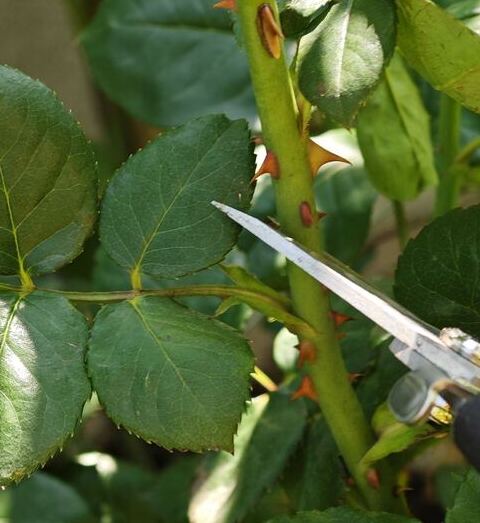
And yes: sharp, clean tools matter — a clean cut heals faster. In your book, you also recommend a 45° cut above an outward-facing bud for airflow and structure.
If you’re unsure, do less today. Roses punish over-pruning faster than under-pruning.
3) Your Rose Is Young (And It’s Building Roots First)
This one is so common — and it makes good gardeners feel crazy.
A young rose, especially an own-root rose, often spends its first seasons building a root system and a framework. It’s not being lazy. It’s investing.
How do you know it’s normal
- The leaves look healthy
- growth is steady (even if not fast)
- no obvious disease pressure
- Buds are few or inconsistent in years 1–2
What I’d do (and what I wouldn’t do)
✅ Do:
- mulch generously
- water deeply (not little sips daily)
- Feed lightly with compost / gentle organic inputs
🚫 Don’t:
- push it hard with strong fertilizers
- panic-prune it into “bloom mode.”
A rose that delays blooming often becomes stronger and later blooms like a queen.
4) Soil Problems You Don’t See (Drainage + pH = Bloom Gatekeepers)
This is where people waste money. They buy fertilizer, then more fertilizer, then “special rose food,” and the rose is still not blooming — because roots can’t absorb properly.
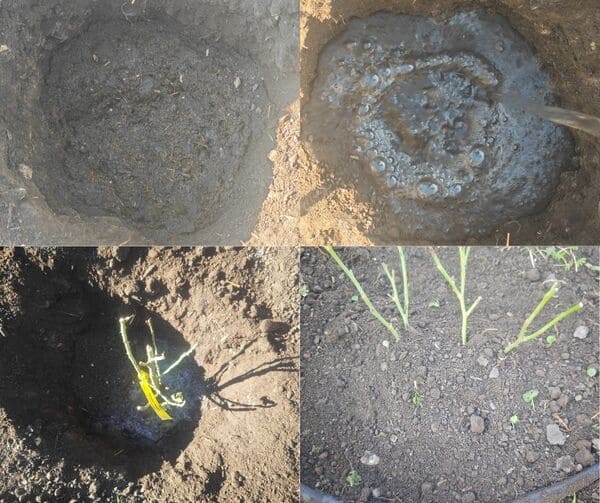
My 5-minute drainage test (I do this before planting now)
- dig a hole ~50 cm deep
- fill with water
- If water is still sitting there after 30–40 minutes, that spot is wrong for a rose
About pH (the “invisible lock”)
Roses do best around pH 6.0–6.5. If pH is off, nutrients lock up — especially phosphorus (bloom energy).
What I’d do this week
- Don’t dig around the roots (it disrupts soil life)
- Add compost on top, then mulch
- If flowering is poor despite care, test pH before feeding
Truth: feeding doesn’t fix soil. Soil fixes feeding.
5) Too Much Nitrogen (The “Beautiful Leaves, No Flowers” Trap)
If your rose looks like it belongs in a leaf catalog — lush, soft, deep green, and still no buds, nitrogen is usually involved.
Classic signs
- long soft shoots
- rich leaf growth
- delayed or absent bloom
What I’d do immediately
- Stop feeding for 3–4 weeks
- water typically (don’t flush aggressively)
- Restart gently later with compost-based nutrition
6) Hidden Stress: Heat, Wind, Wet Leaves, Microclimate
Two roses five meters apart can live in entirely different worlds.
I’ve seen one bloom like crazy while the other struggles — simply because:
- The wind hits one all day
- One is trapped in a humid corner
- One dries fast after rain, the other stays wet
What I’d do this week (simple but powerful)
- Water only at the soil level,
- remove lower leaves touching the soil, thin surrounding plants so air can move
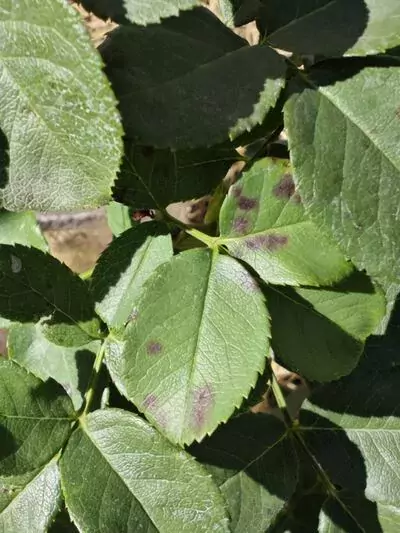
- after rain: check how long leaves stay wet. If they remain wet for hours, blooms often suffer.
Roses bloom best in a calm, breathable space.
7) Exhausted or Aging Roses (Sometimes It’s Not You)
Some roses reach a point where they bloom less each year, even with good care.
What I’d do (honest steps)
- try rejuvenation pruning: remove up to ⅔ of old wood
- Rebuild soil health with compost + mulch
- Give it one season to respond
If it still declines, replacing it can be the kindest, smartest choice.
A Practical “Bloom Rescue” Recipe From My Book
When a rose is stressed (weather swings, weak buds, slow recovery), I love a gentle foliar support that doesn’t push soft growth.
Whey Foliar Tonic (simple, effective, beginner-friendly)
- Whey spray: dilute 1:5 (1 part whey to 5 parts water)
- Add (optional, if you use them): calcium + magnesium foliar support to firm tissues and reduce vulnerability
- Spray early morning, not under the hot sun.
- Repeat weekly during stressful periods.
This isn’t “magic.” It’s support, like giving your rose a calm nutritional hand while you fix the real cause.
Quick Bloom Diagnosis Checklist (Save This)
- 6+ hours of direct sun
- Pruning didn’t remove the flowering wood
- Young rose given time (1–3 years)
- Soil drains well (no standing water)
- pH roughly 6.0–6.5
- No nitrogen overload/salt stress
- Calm airflow + leaves dry reasonably fast
FAQs
Usually, it’s not enough sun or too much nitrogen (leaf growth takes over). Also, check pruning timing.
Most roses bloom within the first 1–2 years. However, the full varietal characteristics you fell in love with flower size, form, color depth, and abundance are usually revealed closer to years 4–5. Until then, the rose is primarily building a strong root system and gathering strength.
Yes, wet roots lose oxygen, uptake drops, and flowering declines.
Most often: heat/water stress, wet buds, poor airflow, or nutrient lock-up (often pH-related).
Yes, but correct timing is everything. Wrong timing can cause blooms to be lost for the season.
From me to you, friend to friend
When roses don’t bloom, they’re not being stubborn. They’re being honest.
They’re saying: “Something feels off. Help me get stable again.”
And the beautiful part is — once you correct the real cause, roses often bounce back fast.
🌹 Want the whole “no guessing” guide?
If this article helped you spot one possible reason, here’s the truth: roses often have 2–3 causes at once.
That’s precisely why I wrote:
Why Doesn’t My Rose Grow and Bloom? 100 Reasons and Solutions
Inside you’ll find:
- 100 real causes (not theory)
- simple diagnostics (what to look for)
- clear actions for beginners
- organic, soil-first solutions that don’t weaken the garden
If you’re tired of guessing and want the answer that fits your rose, this is the guide.
Rose gardening books

Step into a calmer, more confident rose season. With Ann Devis’s rose gardening books and planner, you’ll get simple organic routines, proven tips, and checklists that keep your roses thriving – from first bud to last bloom.