
Key Takeaways
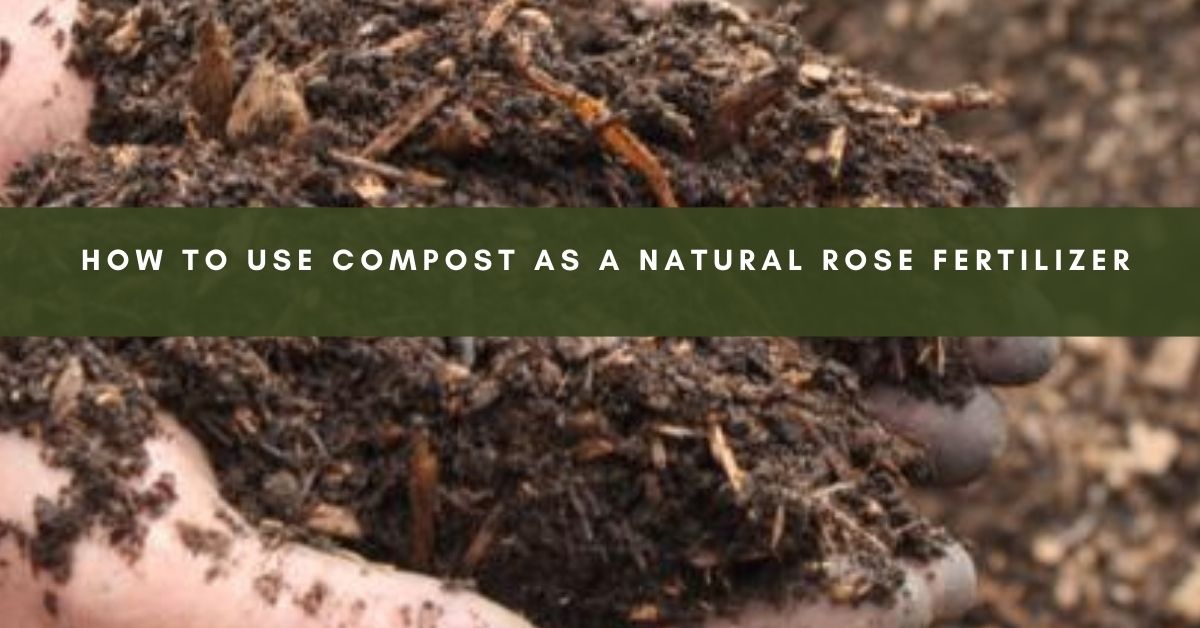
Healthy roses start with living soil rich in compost.
Compost feeds plants slowly, improves soil structure, and supports microbial life.
Elaine Ingham emphasizes that good compost is biologically diverse, not just “decayed matter.”
Mulching with compost + monthly compost tea keeps roses strong all season.
Building compost correctly = sweet smell, crumbly texture, and thriving roses.
Why Compost Is a Rose Gardener’s Secret Weapon
Roses captivate us with color and fragrance, but those blooms rest on an invisible foundation: soil. A rose bush planted in tired, compacted, or chemically treated soil will struggle no matter how much fertilizer you throw at it. The answer isn’t more chemicals, it’s compost.
Compost is more than fertilizer. According to soil biologist Elaine Ingham, true compost is “a living inoculum of beneficial microbes.” These bacteria, fungi, protozoa, and nematodes form the soil food web that keeps nutrients cycling and makes them available to your roses when needed.
When you add biologically active compost, you’re not just feeding your plants; you’re rebuilding soil life.
The Natural Compost Advantage
- Slow, steady nutrition – releases nitrogen, phosphorus, and potassium gradually.
- Better soil texture & drainage – crumbly soil holds water without drowning roots.
- Disease resistance – beneficial microbes outcompete pathogens.
- More life in your garden – earthworms, fungi, and good bacteria thrive.
The result? Deeper roots, more buds, and longer bloom cycles.
Step-by-Step: Nourishing Roses With Compost
1. Soil Preparation
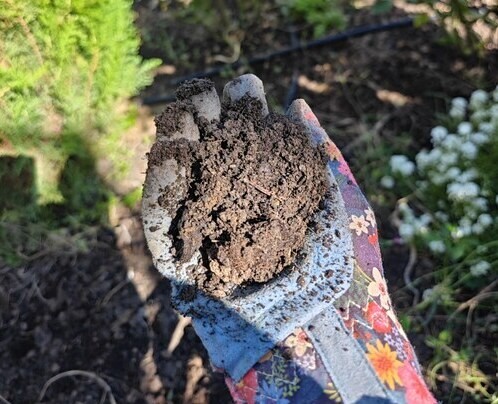
If soil around your roses is compacted, gently loosen only the top 2–3 inches once, without disturbing deeper layers.
After that, rely on compost and mulch to improve the structure naturally. In living soil systems, frequent cultivation is avoided because it disrupts fungal networks and microbial balance.
2. Mulching Application
Apply a 1–2 inch layer of finished compost around the base of each rose, keeping it a few centimeters away from the stem.
Compost mulch:
moderates soil temperature,
retains moisture,
suppresses weeds,
and slowly feeds soil organisms that deliver nutrients to the plant.
3. Soil Integration for New Plantings
For new roses, compost can be used in two safe ways:
Option 1 (preferred): incorporate compost at 20–30% of the planting hole volume if soil is poor or degraded.
Option 2: plant roses into native soil and apply compost as a surface layer, allowing roots to adapt naturally and grow outward.
Avoid filling planting holes with pure compost, as this can reduce aeration and slow long-term root development.
4. Monthly Top Dressing
Every 4–6 weeks in the growing season, add a thin sprinkle of compost around each bush.
5. Compost Tea Boost
Aerated compost tea is best used as a biological support tool, not a routine obligation.
ACT is most beneficial:
after pruning,
during recovery from disease or stress,
in newly established or biologically depleted soils.
In gardens with healthy mulch and living soil, compost tea may be needed only occasionally.
Quick ACT recipe I use:
- 1 bucket of rainwater (or dechlorinated water)
- 2–3 cups high-quality compost
- 1 tablespoon unsulfured molasses
- Bubble with an aquarium pump for 24 hours
- Use immediately (within 4 hours) to maintain high microbial activity.
👉 I water my roses with ACT once a month – it consistently produces stronger leaves and more resilient blooms.
Building Your Own Natural Compost at Home
Making compost is cost-effective, sustainable, and deeply satisfying.
What You’ll Need
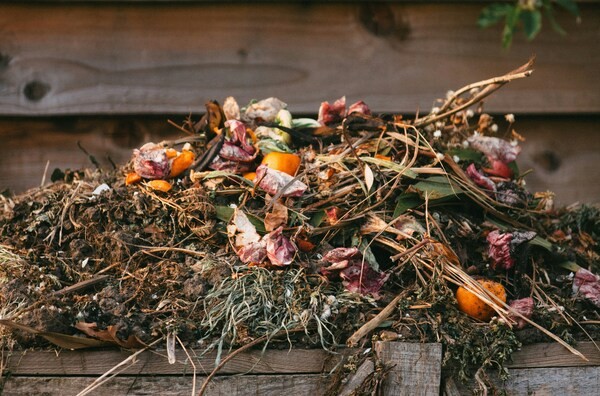
- Nitrogen-rich greens: veggie scraps, coffee grounds, fresh clippings.
- Carbon-rich browns: dry leaves, straw, shredded cardboard.
- Avoid: meat, dairy, pet waste, oily foods, diseased plants.
How To Build a Healthy Pile
- Balance greens and browns (roughly 1 part greens: 2 parts browns).
- Keep it moist – like a wrung-out sponge.
- Add oxygen – turn weekly to prevent rot and odors.
- Temperature matters – between 130–160°F (55–70°C) helps kill weed seeds and speeds breakdown.
- Look, smell, feel – finished compost is dark, crumbly, and smells like forest soil.
Elaine Ingham reminds us: if it smells foul, it’s anaerobic; if it smells sweet and earthy, it’s alive.
Tips to Speed Up Composting
- Chop materials small for faster breakdown.
- Add a handful of finished compost or garden soil as a “microbial starter.”
- Place the pile in partial sun to keep it warm.
- Use a tumbler or aerator if space is small.
Why Choose Compost for Roses?
Enhanced Blooming: steady nutrients = more buds.
Stronger Roots: Deep, Resilient Growth.
Improved Soil: better moisture balance and aeration.
Eco-Friendly: reduces waste and avoids chemical fertilizers.
Practical Checklist: Compost for Roses
- Test soil health each spring.
- Mulch roses with compost 2x per season.
- Top-dress lightly every 4–6 weeks.
- Brew compost tea monthly.
- Build your own compost pile—balance greens and browns.
- Watch for that earthy smell—a sign of healthy compost.
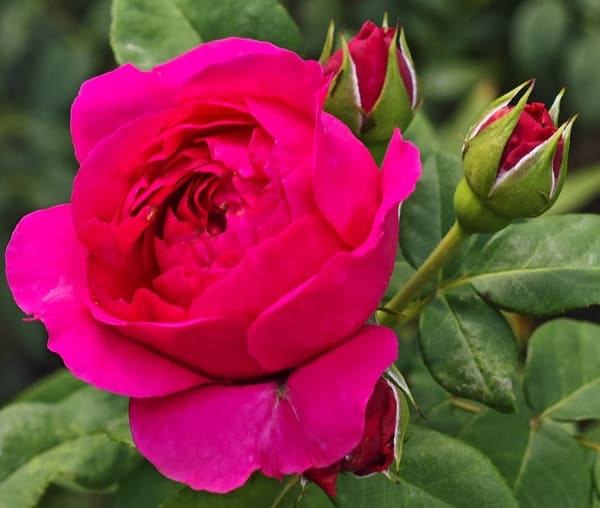
Healthy roses don’t come from bottles. They come from systems that work underground whether you’re watching or not.
If compost feels like the first piece that finally makes sense, that’s because it is. Without living soil, every other method works randomly.
For deeper diagnosis and clear corrections, Why Doesn’t My Rose Grow and Bloom? – 100 Reasons and Solutions walks through the exact causes behind poor growth and flowering.
If you want consistency year after year, Revolution in the Rose Garden – Organic Rose Gardening explains how these systems fit together.
And if you want to track what actually works in your own garden, the Rose Garden Planner 2026 – Log Book keeps decisions grounded in results.
This is the first step. Everything else depends on it.
Rose gardening books

Step into a calmer, more confident rose season. With Ann Devis’s rose gardening books and planner, you’ll get simple organic routines, proven tips, and checklists that keep your roses thriving – from first bud to last bloom.
Q&A: Compost & Roses
While compost supplies essential nutrients, some heavy-blooming roses might benefit from an occasional supplement with organic rose fertilizers during peak seasons.
It’s best to compost them first. Unprocessed scraps can attract pests and potentially harm your plants.
Yes—if it’s fully decomposed and well-balanced, your roses will thrive on homemade compost.
Not necessarily. You can layer new compost over existing mulch or mix them to rejuvenate your garden bed.
About 1–2 inches as mulch, or 20–30% mixed into planting soil.
It turned anaerobic—too wet or compact. Add browns (leaves, straw) and turn for oxygen.
Yes, if your pile reaches hot temperatures (130–160°F). Otherwise, discard diseased material separately.


