
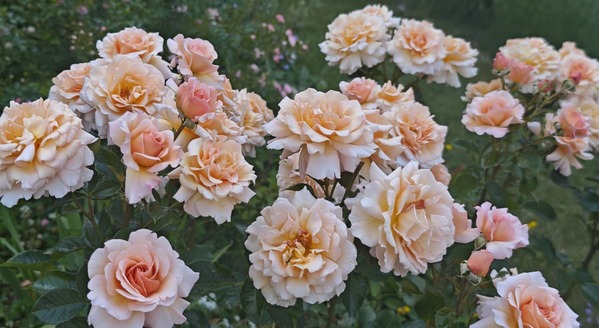
Honestly, it took me a while to get here. Like many gardeners, I used to grab those NPK packets off the shelf — nitrogen, phosphorus, potassium. I figured: if it says “for roses,” it must be good. But then I started noticing things. The soil was hardening and becoming lifeless. Fewer earthworms. And my roses? They bloomed, sure, but sporadically. They were eating, yet they weren’t thriving.
A few years back, I decided: enough. I was going organic. I started reading, experimenting, and learning. That’s when I discovered biostimulants. It was like a light at the end of the tunnel! I realized my roses didn’t need that chemical cocktail from the store. They needed living soil, natural protection, and a little help to become stronger on their own.
Now my garden runs on pure organics: compost, mulch, decomposed grass clippings, and three key helpers — biostimulants. And you know what? My roses bloom so profusely that neighbors stop and stare. All without a single chemical.
What Are Rose Biostimulants, Really?
A biostimulant doesn’t feed your rose the way NPK fertilizer does. It doesn’t supply nitrogen, phosphorus, or potassium in any real quantity. What it does, going by the definition in the 2018 U.S. Farm Bill, is nudge the plant’s own processes along: how well it takes up nutrients, how it handles stress, how its roots develop. Not a meal. More like a coach standing on the sideline.
There are six recognized categories, and roses respond to most of them:
- Seaweed and algal extracts (mostly from Ascophyllum nodosum, a brown seaweed)
- Chitosan and other biopolymers, usually pulled from crustacean shells
- Beneficial microbes: fungi like Trichoderma, bacteria like Bacillus
- Humic and fulvic acids, what’s left after organic matter has broken down for a long time
- Inorganic compounds, mainly silicon
- Protein hydrolysates: amino acids and peptides
I use the first five regularly, silicon included. It’s turned into one of the more interesting additions to my routine, and I’ll get to why in a minute. Protein hydrolysates are the one I’ve held off on, mostly because I haven’t found a product whose sourcing I trust yet. I’ll update this if that changes.
1. Chitosan — Immunity from the Natural World
How I got here: I was hunting for a replacement for chemical fungicides. I didn’t want to poison my roses, the bees, or myself. That’s when I found chitosan made from shrimp and crab shells, completely organic.
What it does for my roses: This isn’t medicine; it’s immunity training.
I want to be careful with this one, because it’s easy to oversell and I don’t want to do that. Chitosan is not a disease treatment in my garden. I don’t reach for it hoping to knock back something already active on a leaf. What it actually does is prime the plant’s induced systemic resistance: it puts the rose’s own immune system on alert, using the same chitin-recognition system plants evolved to spot fungal cell walls in the first place, so the plant reacts faster and harder if a pathogen shows up later. Think conditioning, not medicine. You’re training the defenses before there’s anything to defend against, not treating something that’s already gone wrong.
The rose learns to defend itself, producing its own antibiotics and thickening leaf cell walls. These days, I get powdery mildew maybe once a season, and only on weak bushes I missed.
How I use it: I dissolve a teaspoon in a liter of water and spray it in the evening. Only in the evening! Sunlight destroys it; the UV breaks it down. I apply every 2–3 weeks from April through August.
My pro tip: Before planting cuttings, I soak them overnight in a weak solution. Nearly all take root, and none rot. I used to lose half my cuttings; now I barely lose any.
I get mine here: Chitosan Oligosaccharide — natural, no additives.
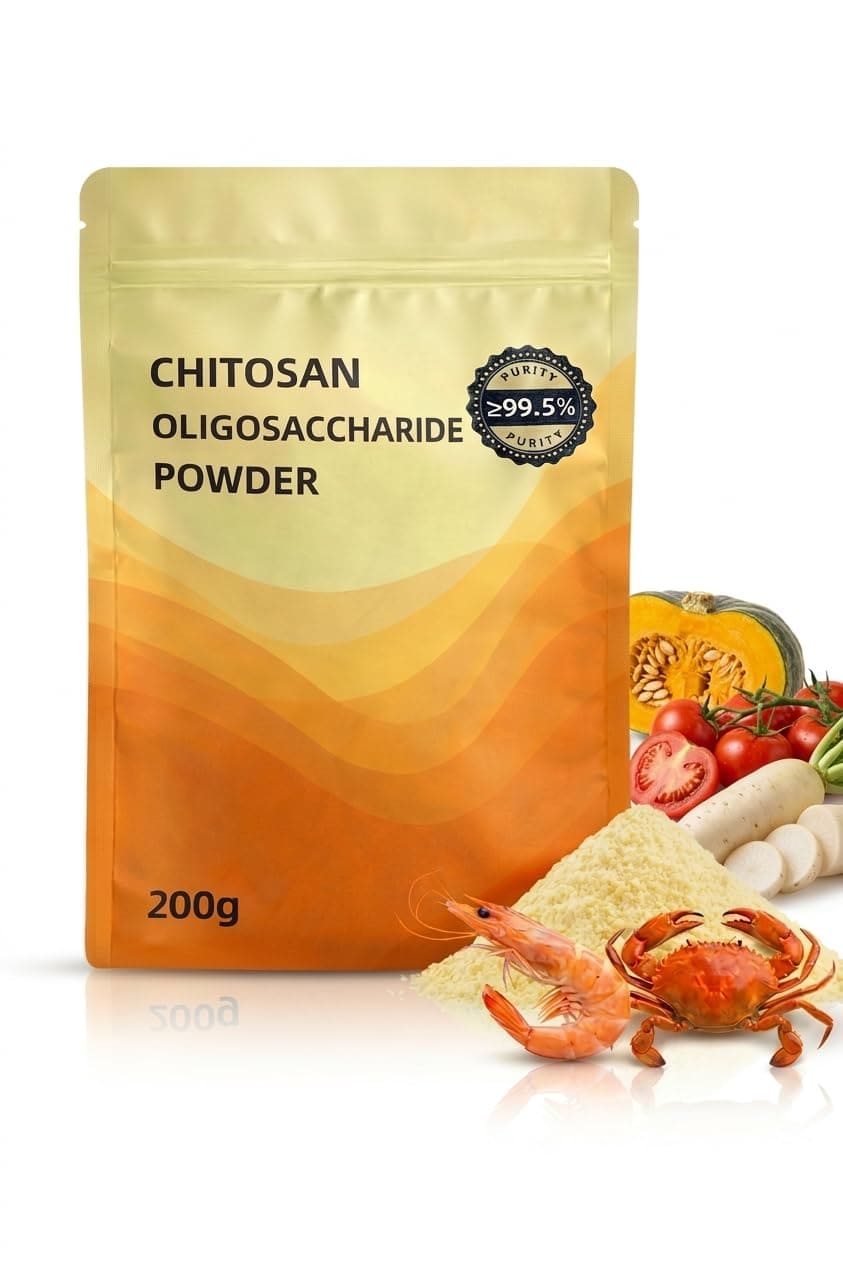
2. Trichoderma — My Chemical Fungicide Replacement
Trichoderma is sold almost entirely as a biological fungicide, which sells it short. Once it settles into the root zone, Trichoderma colonizes root surfaces closely enough to change how efficiently the plant pulls in nutrients, and species like T. harzianum can free up phosphate and micronutrients that were otherwise locked in the soil and unreachable. Separately, T. asperellum and T. virens have been shown to push lateral root growth through an auxin-driven pathway. In plain terms, the fungus is telling the root system to branch out and cover more ground.
I drench Trichoderma around the root zone once a month, timed to new plantings and right after pruning, when a rose is pouring energy into fresh root growth and can make real use of the extra phosphate. If you want more on strains, timing, and pairing it with other biologicals, I’ve written a full guide to Trichoderma for roses.
Why I chose it: These are living fungi. Real, beneficial, straight from nature. They don’t kill everything in sight like chemicals do; they build a healthy community in the soil. That matters to me — I’m cultivating an ecosystem, not running a chemistry lab.What happens in my garden: The fungi colonize rose roots, protecting against rot and feeding the plant growth hormones. Plus, they break down my organic mulch- grass and leaves into nutrients. The cycle completes; nothing goes to waste.
Important: Trichoderma doesn’t mix with chemicals. I’ve dropped synthetic fungicides entirely, but if you’ve used them in your garden, wait two weeks before adding these fungi. Otherwise, you’re wasting your time.
My pick: Trichoderma Powder — live spores, no preservatives.
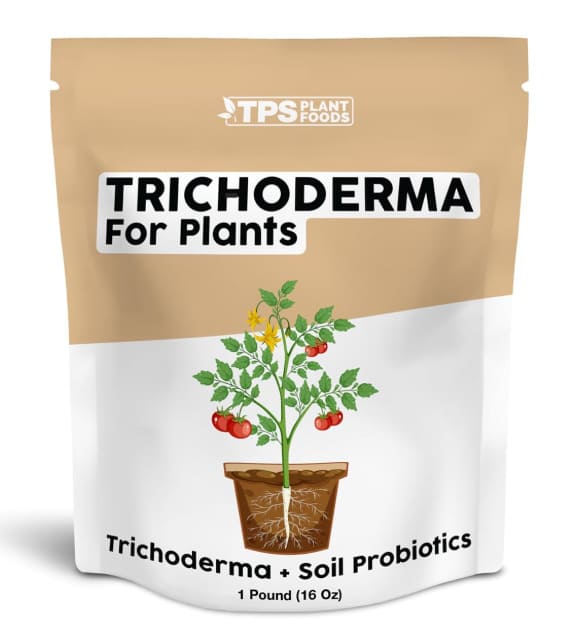
3. Kelp Meal — My Secret to Abundant Blooming
How I found it: I was researching natural growth stimulants. Kelp is basically a concentrate of everything plants need. Cytokinins (for buds), auxins (for roots), and micronutrients in an easily absorbed form. All natural, zero chemicals.
Across a wide range of crops, it’s been shown to improve root development, boost chlorophyll content, and help plants handle salt, drought, and cold better. Research trials have used it anywhere from 0.1 percent up to a full 1 percent concentration, as a root drench or a foliar spray depending on the product, so there’s no single “correct” dose to hand you. Follow your product’s label. Concentrations vary widely between brands and extraction methods.
What changed: My roses used to bloom modestly. Now it’s a carpet of buds. They last longer, and the colors are more vivid. Especially noticeable on peony roses; they love nutrients but hate chemicals.
How I use it: I mix a tablespoon per liter of water and spray the leaves, or water at the base. I also add dry meal to the soil when turning beds; it releases nutrients slowly.
When I apply: Spring, to wake up. When buds appear, for profuse flowering. Fall: to build strength before winter.
I recommend: NatureGrow Kelp Meal — pure laminaria powder, no additives.
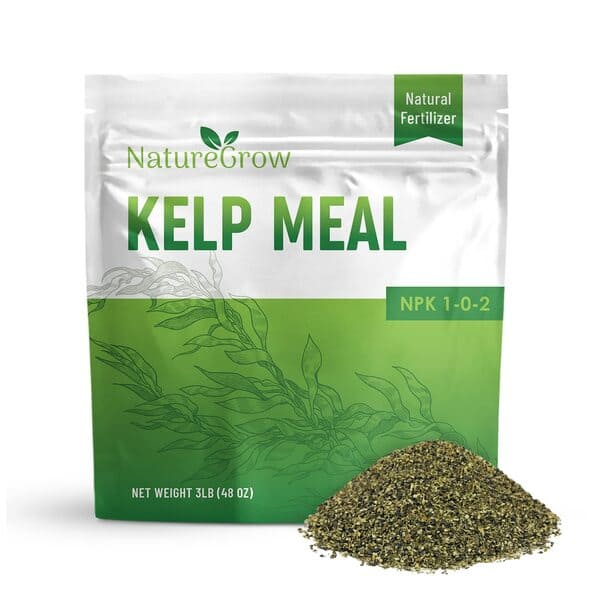
4. The silicon surprise
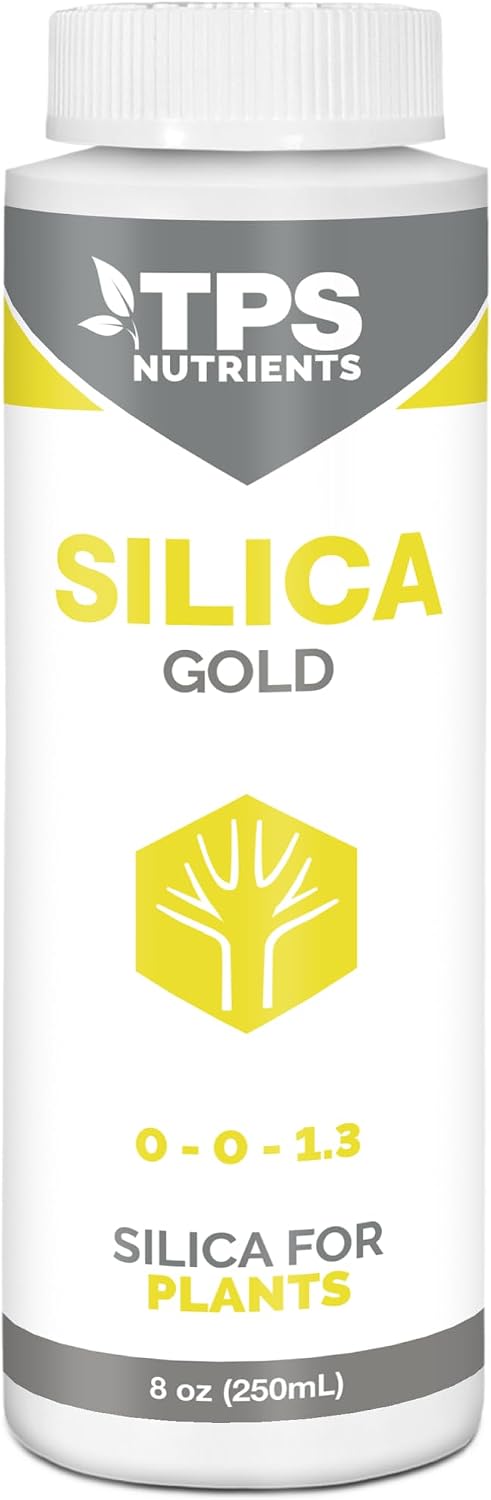
Silicon rarely makes anyone’s biostimulant list, which is a shame, because the rose-specific research on it beats almost everything else in this article. A 2012 study in Plant Pathology took four potted rose varieties with different levels of susceptibility to powdery mildew and fed them a nutrient solution with 3.6 mM silicon, about 100 ppm, supplied as potassium metasilicate. Disease severity dropped by up to 48.9 percent compared to untreated plants. A follow-up study in 2021 dug into why, and the effect isn’t purely physical. Silicon builds a structural layer under the leaf cuticle that makes it harder for the fungus to get in, but it also switches on biochemical defenses: the plant’s own chitinases, peroxidases, and antifungal phenolic compounds all rise.
Because it works both ways at once, blocking the fungus mechanically and switching on the plant’s own defenses, silicon earned a permanent spot in my rotation instead of staying an occasional extra. I feed it as silicon through the root zone rather than as a foliar spray, since that’s the method the actual trial used. Want the fuller protocol for that specific disease, including where potassium bicarbonate and sulfur come in once mildew has actually taken hold? I wrote about it on the powdery mildew page.
My Garden Calendar
I don’t use NPK from packets. Here’s my year:
April:
- Turn beds with compost and add Trichoderma to the soil.
- A week later — water with kelp to wake everything up
May–June:
- Chitosan every 3 weeks — immunity
- Silicon – Once a month – immunity
- Kelp every 2 weeks — flowering
- Compost tea — feeding
- Grass mulch — constantly
July–August:
- Chitosan for heat stress
- Silicon – once a month- immunity
- Trichoderma every 3 weeks – immunity
September:
- Kelp — every 2 weeks
- Silicon – Once a month – immunity
- Trichoderma — winter preparation
The foundation: Compost, aged manure (never fresh!), bone meal (phosphorus), green manure (nitrogen), compost tea. That’s my “chemistry” — purely organic.
What I’ve Learned Over the Years
NPK from the store isn’t the only way. I thought you couldn’t grow good roses without it. Turns out you can. And it’s even better.
Soil needs to be alive. Earthworms, mycorrhizae, beneficial bacteria that’s what feeds roses, not synthetic crystals. Trichoderma helps create that life underground.
Roses want to defend themselves. Chitosan doesn’t kill fungi; it teaches the rose to fight. And it works long-term, not just until the next rain.
Flowering comes from health, not forcing. Kelp gives roses resources without burning them out like mineral fertilizers. So they bloom long and beautifully, not once and then crash.
What Biostimulants Won’t Do for Your Roses
I’d be doing you a disservice if I let this article imply biostimulants replace real feeding. They don’t, and I think the gardening internet is a little too quiet about that.
None of the products above supply meaningful nitrogen, phosphorus, or potassium. A rose living entirely on seaweed extract and chitosan, with no compost, no organic feed, and worn-out soil underneath it, will underperform a rose getting a proper organic feeding program, biostimulants or not. I still lean on aged compost and organic fertilizers as the real foundation of my feeding program, and biostimulants sit on top of that foundation rather than replacing it.
Biostimulants are slow. They build up over a season, not overnight, so if a rose is already collapsing, hit hard by a bad infection or starved of a nutrient, spraying it that week won’t save it. What they’re actually good for is steadier, more resilient growth over months and years of regular use. That’s a much less exciting promise than “miracle spray,” and it happens to be true.
If You’re Trying to Figure Out What Your Plants Are Really Telling You
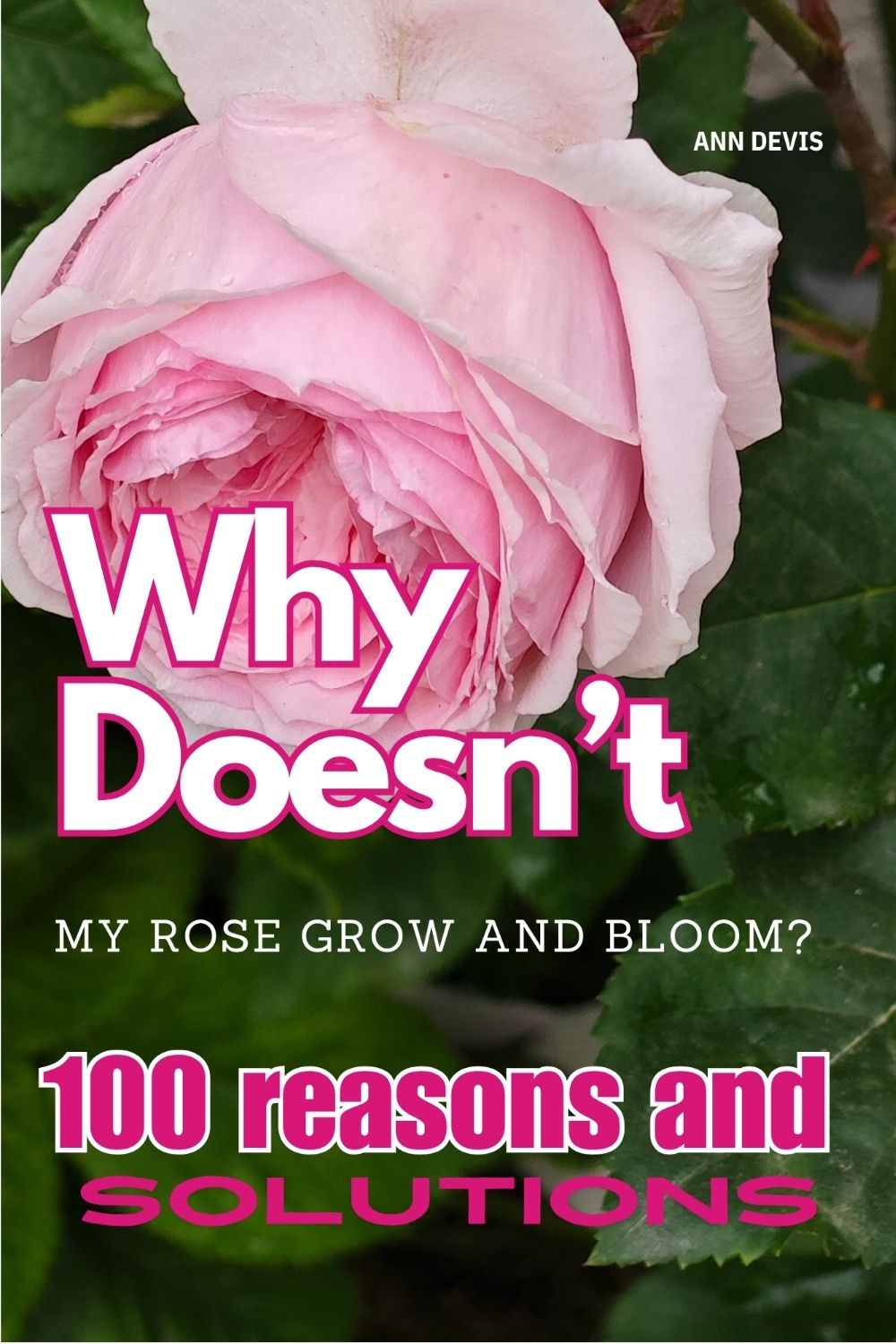
If you’ve started experimenting with chitosan, trichoderma, or kelp meal because your roses keep dropping buds, growing weak stems, or flowering poorly, you’re in familiar territory. Those signs usually point back to soil health, plant immunity, and growing conditions — not a lack of chemicals. That’s why I wrote Why Doesn’t My Rose Grow and Bloom? – 100 Reasons and Solutions. It’s meant to help you understand what’s actually happening inside the plant so you can choose the right biostimulant rather than guessing at treatments.
One thing that speeds up this learning curve more than anything else is taking notes. When you write down which biostimulant you applied, when you sprayed, and how the weather was, patterns emerge surprisingly quickly. I designed the Rose Garden Planner 2026 – Log Book for exactly that — so each season teaches you something useful, instead of starting from scratch.
And if you’re aiming for a completely chemical-free rose garden, soil-first gardening with biostimulants is where things start to settle down. Healthy soil, beneficial fungi, and natural growth stimulants solve more issues than most people expect. Revolution in the Rose Garden – Organic Rose Gardening brings those ideas together in a practical way that works in real home gardens, not just on paper.
Rose gardening books


Step into a calmer, more confident rose season. With Ann Devis’s rose gardening books and planner, you’ll get simple organic routines, proven tips, and checklists that keep your roses thriving – from first bud to last bloom.
My Takeaway
I found my path. My roses bloom magnificently, my soil is alive, and I’m at peace knowing my family and pets are safe. No NPK from packets, just nature and a little help from biostimulants.
If you’re thinking about going organic, start with one product. Feel the difference. Then add another. You’ll realize roses don’t need chemicals; they need living soil and your attention.
With love for flowers and the earth,
Ann Devis
Organic rose gardener and author.
I share practical, soil-first methods tested in my own garden to help roses grow strong, healthy, and bloom naturally without chemicals.
Ann Devis
FAQ
Works for me. Compost + biostimulants + mulch. My roses bloom from May through October, overwinter well, and rarely get sick.
Compost, aged manure (not fresh!), bone meal (phosphorus), wood ash (potassium), green manure (nitrogen). All from nature, all slow-release but long-lasting.
No, it’s a polysaccharide from shells. Worms don’t even notice it. The pathogenic fungi sure do, though.
Every week, if you want, you can’t overdose. It’s a living organism that self-regulates. I do 3–4 times per season.
Yes, I run organic on my windowsill too. Just half the doses.
Everything in my organic arsenal — compost tea, herbal infusions, ash. I haven’t tried it with chemicals because I don’t use them.


