

Is there anything more satisfying than watching your roses bloom again and again throughout the season? With just a little thoughtful care and some tried-and-true gardening life hacks, you can enjoy wave after wave of lush, fragrant blooms.
Let’s walk through a step-by-step plan to help your roses re-bloom beautifully—and I’ll sprinkle in my favorite organic recipes and life-saving garden tips along the way!
The Secret to Lush Re-Blooming: It’s All About Timing and Consistency
Roses are generous plants, but they thrive best when we understand their rhythm. Think of it as a simple cycle: bloom, rest, feed, and bloom again. Here’s how to work with your roses to keep the cycle going strong.
Step-by-Step Plan for Preparing Roses for Lush Re-Blooming
Immediately After the First Bloom
- Deadhead spent flowers
Snip off faded blooms just above the first 5-leaflet leaf. This is where the next potent bud will likely emerge.
- Clean the ground
Remove fallen petals and old leaves to prevent fungal diseases, such as black spots.
Week 1-2 Post-Bloom
- Feed your roses generously
Apply an organic fertilizer or give them a good dose of compost tea to replenish nutrients.
- Water deeply
Roses thrive with deep, slow watering, 1-2 times per week. Shallow daily watering won’t reach those deep roots.
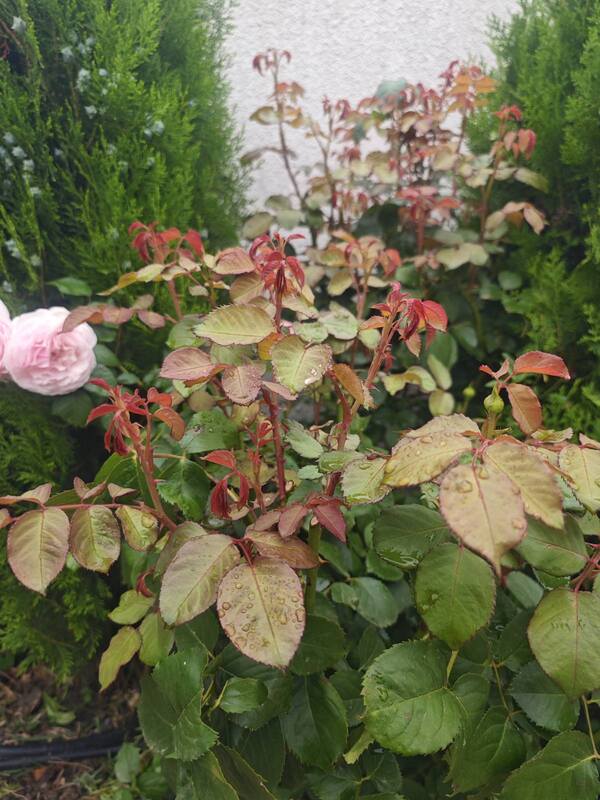
Week 2-3 Post-Bloom
- Mulch, mulch, mulch!
If you haven’t already, lay down organic mulch around the base to retain moisture and keep roots cool.
- Boost with foliar feeding
A light spray of banana peel tea or seaweed extract every two weeks will supercharge new bud development.
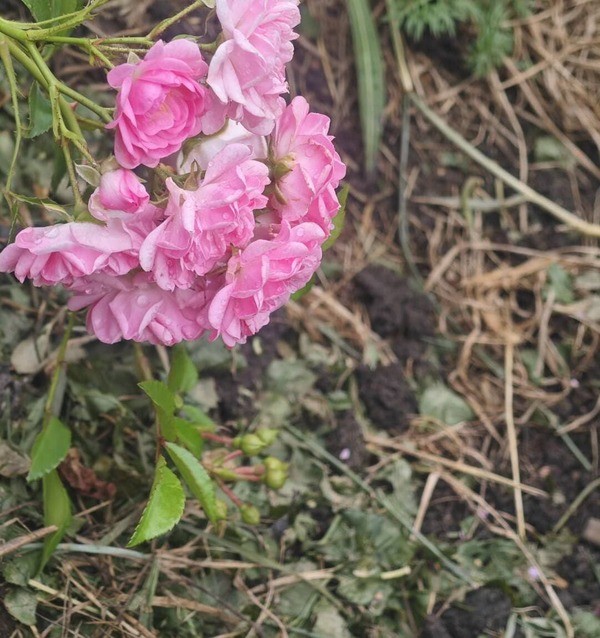
Garden tips
I always mulch my flower beds with lawn clippings. It’s a great eco-friendly way to feed your roses and protect the soil from erosion.
Ongoing Weekly Care - Preparing Roses for Re-Blooming
- Inspect for pests and diseases
Check leaves and stems regularly for aphids, spider mites, and black spots. Catching problems early saves the blooms!
- Continue deadheading
Prompt removal of spent flowers encourages continuous blooming.
- Maintain deep watering
Keep those roots happily hydrated.
Mid-Season Boost
Add eggshell powder
I use a biostimulant made from eggshells, which I prepare myself. I suggested the recipe in this article. Eggshell powder sprinkled directly under the plants is an excellent fertilizer in itself, but it is very slow-acting. Of course, I use eggshell powder, but the nutrients from the shell, in this case, will not enter the soil until the following season. Crushed eggshells provide a gentle calcium boost that supports overall plant health and sturdy stems.
End of Season Prep
- Light pruning
Trim weak, spindly stems to shape the plant and prepare it for dormancy.
- Final compost mulch
- Spread a layer of compost to nourish roots over winter.
My Favorite Organic Bloom Boosters for Preparing Roses for Re-Blooming
Banana Peel Tea Fertilizer
Ingredients: 2 banana peels, 1 liter of water
How to Make:
Soak banana peels in water for 24-48 hours. Strain and use the liquid to water your roses.
Why It Works:
Potassium in bananas naturally stimulates flowering.
Compost Tea
Ingredients: 1 part compost, 5 parts water
How to Make:
Let compost soak in water for 2-3 days, stirring occasionally. Strain and use as a root drench or foliar spray.
Why It Works:
Delivers a balanced, natural nutrient mix right where your roses need it.
Seaweed Extract Spray
Mix a small amount of seaweed extract in water (according to package directions) and spray foliage lightly every two weeks for an easy mineral boost.
Rose gardening books


Explore rose gardening books and garden planner by Ann Devis. Get practical tips, organic techniques, and insights to create and maintain a stunning, thriving rose garden.

Garden Life Hacks for Lush Re-Blooming
- Deadhead regularly: Every few days, remove fading flowers to redirect energy to new buds.
- Feed after each bloom cycle: Roses are heavy feeders—organic fertilizer after blooming keeps them energized.
- Strategic summer pruning: Light trimming improves air circulation and focuses the plant’s energy.
- Deep, not frequent watering: It’s better to water deeply once or twice a week than to sprinkle daily.
- Mulch generously: Mulching helps roses stay cool and moist during hot weather.
- Pest patrol: Weekly checks prevent infestations from stealing your blooms.
- Natural foliar sprays: Compost tea and banana peel tea are my go-to bloom boosters!

FAQ Preparing Roses for Re-Blooming
How often should I deadhead roses?
Deadhead as soon as blooms fade—ideally every few days. Quick removal encourages faster re-blooming.
How much should I prune roses in summer?
Summer pruning should be light. Remove spent blooms and dead or crossing branches. Save major pruning for late winter or early spring.
Can I use chemical fertilizers for re-blooming?
You can, but I always recommend organic feedings, like compost tea or banana peel tea. They’re kinder to the soil and build long-term plant health.
Why are my roses not blooming again?
Possible reasons:
- Not deadheading properly
- Lack of nutrients
- Not enough sunlight (roses need at least 6 hours a day)
- Pest or disease stress
- There are varieties of roses that bloom once a season. Check what variety you have
When should I stop feeding roses?
Stop heavy feeding about 6-8 weeks before your first expected frost. This allows the plant to slow down and prepare for winter dormancy.
Connection with the garden
Roses are resilient and rewarding if you learn to speak their language. Consistent care, thoughtful feeding, and timely deadheading can turn your rose garden into a season-long symphony of blooms.
Remember—gardening is not about perfection. It’s about connection. The more you tune into your roses’ needs, the more they’ll reward you with their radiant beauty.
Happy gardening,
Ann Devis 🌹
Want more gardening tips? Subscribe to our newsletter for monthly advice straight to your inbox!


