
Key Takeaways
Poor soil quality is the #1 hidden cause of weak roses
Roses prefer slightly acidic soil (pH 6.0–7.0)
Good drainage prevents root rot (“roses hate wet feet”)
Proper spacing avoids root competition and stunted growth
Mulching roses and monthly compost tea build living soil
Right planting depth & timing are critical for long-term success
Why Rose Soil Matters More Than You Think
Let’s be honest: soil may not sound glamorous, but it’s the quiet foundation of every thriving rose garden. When I first started growing roses, I believed any patch of dirt would do. I watered, I pruned, I fussed—and yet, my roses still looked lackluster.
It wasn’t until a seasoned gardener suggested a soil test that I discovered the truth. My soil was poor, lacking the nutrients my roses desperately needed. Once I began adding compost, well-rotted manure, and performing regular soil checks, everything changed. My garden became lush, vibrant, and full of fragrant blooms.
Common Soil & Planting Problems With Roses
1. Poor Soil Quality
Roses are heavy feeders, and poor soil quietly drains their strength. Without rich organic matter, blooms stay small or never appear.
Solution: Enrich soil with compost, aged manure, or leaf mold. Repeat seasonally for long-term fertility.
2. Improper pH Levels
Roses prefer soil in the 6.0–7.0 range. Too high or too low, and nutrients lock up. I once watched leaves turn yellow with green veins—classic pH imbalance.
Solution: Test annually. Use elemental sulfur to lower pH or lime to raise it.
3. Insufficient Drainage
“Roses hate wet feet.” I learned this the hard way when root rot destroyed several prized plants.
Solution: Improve drainage by adding coarse sand, perlite, or raising beds if you garden on heavy clay.
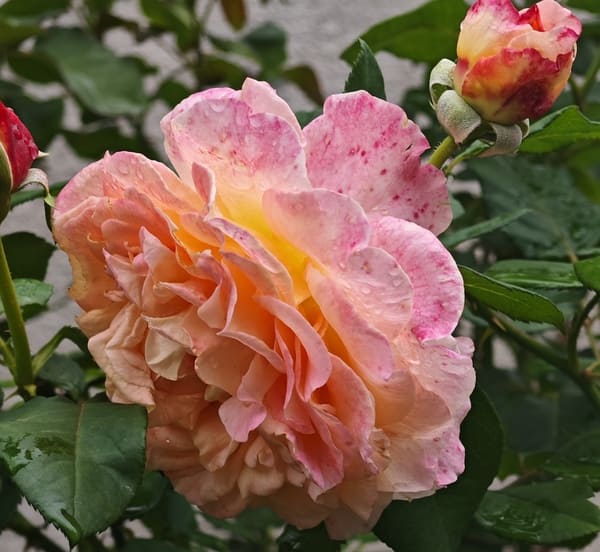
Augusta Luisa rose, USDA 6-9
4. Overcrowded Roots
Packing roses too close leads to tangled roots competing for water and nutrients.
Solution: Space roses according to variety. Untangle roots when planting to give each plant room to thrive.
5. Planting Too Deep or Too Shallow
I once buried a rose too deep for “stability.” The poor thing suffocated. Planting too shallow leaves roots exposed and stressed.
Solution: Plant the bud union just below soil level in colder zones and slightly above in warmer zones.
6. Wrong Planting Time
Timing is everything. Planting in peak summer heat once left my roses wilted and weak.
Solution: Plant in spring or fall for gentle weather and strong root establishment.
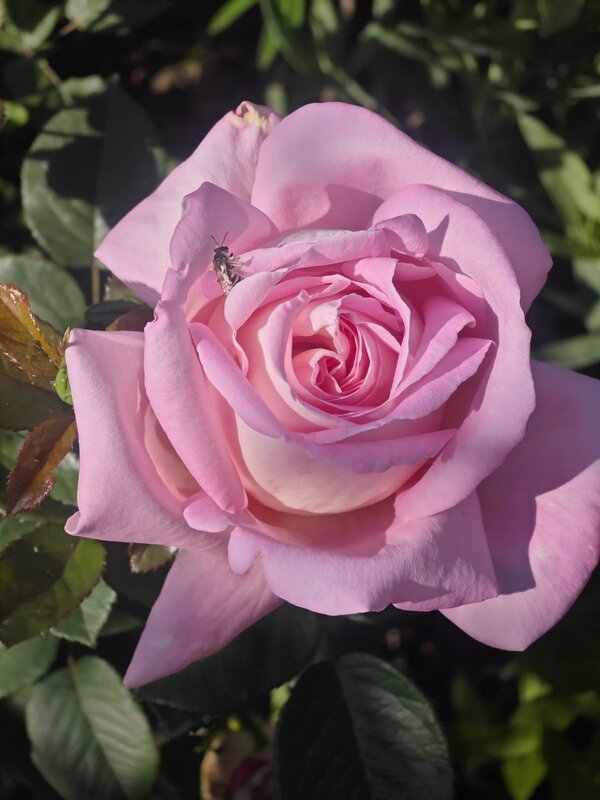
Amazing Grace rose, USDA 6-9
Mulching: The Gardener’s Secret Ally
If I had to choose one practice that completely changed the way my garden feels, it would be mulching. A layer of organic mulch—like shredded leaves, grass clippings, or compost—does so much more than conserve moisture. It protects the soil, feeds beneficial organisms, and keeps temperatures stable.
Here’s something many gardeners don’t realize: if your soil is biologically active, mulch disappears during the season. It doesn’t “vanish”—it becomes food for earthworms, fungi, and microbes. This process is a sign of life, proof that your soil community is thriving and transforming raw material into plant-ready nutrition. Every time I see mulch melting away into dark, rich humus, I know my roses are being nourished from the ground up.
The Power of Aerated Compost Tea
Mulch works at the surface—but sometimes the soil needs an extra boost. That’s where aerated compost tea (ACT) comes in. This living liquid is packed with beneficial microbes that colonize the soil and strengthen plant immunity. It helps roots absorb nutrients more efficiently, supports resilience against disease, and keeps roses looking vibrant.
My ACT recipe is simple:
1 bucket of water (non-chlorinated, ideally rainwater)
2–3 cups of high-quality compost
1 tablespoon of unsulfured molasses (food for microbes)
An aquarium pump or bubbler for oxygen
Brew for 24 hours while bubbling to keep it oxygen-rich. The tea should smell earthy, not foul.
I water my roses with this tea once a month, and the results are consistent: deeper green leaves, more resilient plants, and healthier blooms. For me, ACT is not just a fertilizer—it’s a way of keeping the soil ecosystem alive and dynamic.
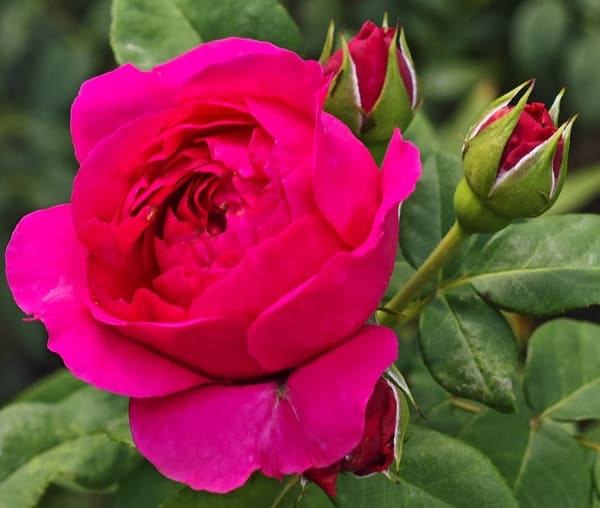
Kate rose, USDA 6-9
Practical Checklist: Healthy Soil, Happy Roses
Test your soil every spring for nutrients and pH.
Enrich yearly with compost or organic amendments.
Check drainage before planting—add perlite or raise beds if needed.
Space roses generously to avoid root competition.
Plant the bud union at the right depth for your climate.
Stick to spring or fall planting windows.
Mulch with organic material and let nature recycle it into food.
Boost soil life monthly with aerated compost tea.
🍂 Bust Myths & Boost Your Roses This Fall
So many rose growers get stuck following old garden myths — and their roses suffer for it. That’s why I created two FREE resources to guide you:
🌹 Anti-Myths Guide
- ✅ Uncover the 5 biggest rose care myths that hold gardeners back
- ✅ Learn the truth about pruning, feeding, and “quick fixes”
- ✅ Replace confusion with clear, proven organic solutions
🍁 Fall Care Companion
- ✅ A simple seasonal checklist for September–November
- ✅ Step-by-step actions to prepare your roses for winter
- ✅ Practical, time-saving reminders straight from my own garden
✨ Together, these two freebies give you clarity and confidence to care for your roses the natural way.
👉 Download Your FREE Anti-Myths + Fall Care CompanionQ&A: Soil and Planting Questions
Yes. Yellow leaves with green veins often signal nutrient lockout from high pH. Test and amend accordingly.
Absolutely—just raise your beds and mix in compost, sand, and perlite to improve drainage.
Once a year is usually enough, but if your roses show sudden decline, test immediately.
Yes—and that’s good! If your mulch disappears, it means the soil life is active. Reapply in spring and summer for steady feeding.
It should smell earthy and sweet, never sour. Bubbling ensures oxygen—without it, microbes turn anaerobic and less helpful.
A Gentle Invitation
This is just one chapter from Why Doesn’t My Rose Grow and Bloom? 100 Reasons and Solutions. If this glimpse helped you understand how soil, mulch, and compost tea can transform your roses, imagine the power of having the full roadmap for every challenge.
✨ The guide rose lovers return to season after season.
👉 [Get your copy here] and start building the living soil your roses will thank you for.
Rose gardening books
Explore rose gardening books and garden planner by Ann Devis. Get practical tips, organic techniques, and insights to create and maintain a stunning, thriving rose garden.