
A Gardener’s Tale of Autumn Gold
Yesterday, my husband and I went into the autumn woods on a special hunt – not for game, but for forest gold.
Every fall, I walk into our mixed woodland and gather fallen leaves. It’s the best mulch you can leave for winter – a soft blanket that protects the soil from freezing, boosts biodiversity, and turns into living fertilizer by spring.
This is not a new idea. My grandmother and my mother did the same every autumn, long before gardens became dependent on chemicals. I inherited their tradition — and my soil thanks me every year.
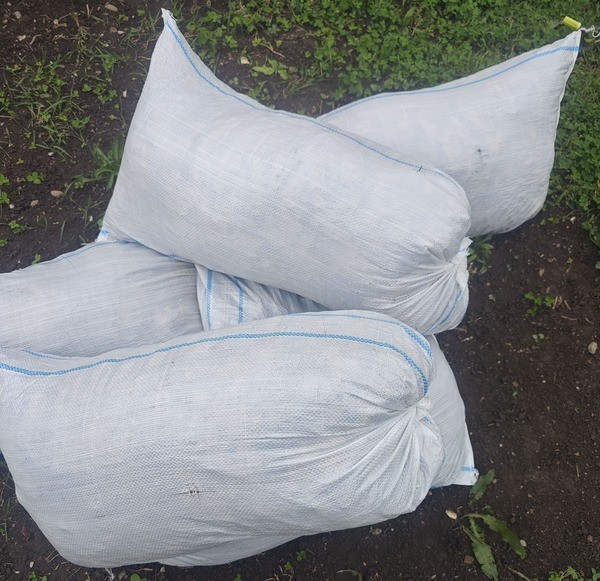
This time, we hit the jackpot: in a small forest hollow, the wind had piled up last year’s leaves, and over the seasons they transformed into chocolate-dark, humus-rich forest compost. It was pure treasure.
When I was a child, I watched my grandmother and my mother walk into the woods every autumn to gather fallen leaves. They always came back smiling, carrying what they called forest gold. Back then, I thought they were just bringing home dirt. Now I know — it was pure life.
This isn’t folklore – it’s applied ecology, a simple, elegant way to restore soil health and build natural immunity in plants.
Why Leaf Mold Is a Miracle for Roses
That dark, crumbly material that smells of mushrooms isn’t soil — it’s condensed life.
Each handful contains billions of beneficial fungi, bacteria, and micro-organisms that:
- Build soil structure for air and water flow.
- Slowly release nutrients that roses can actually absorb.
- Balance pH naturally around 6–6.5 — perfect for roses.
- Strengthen plant immunity by outcompeting pathogens.
- Feed the entire soil food web from mycorrhizae to earthworms.
No synthetic fertilizer can mimic this living complexity.
Which Leaves to Use — and Which to Avoid
Different tree leaves bring different chemistry.
By choosing them wisely, you can gently adjust soil balance.
Slightly acidifying (for alkaline soil > pH 7):
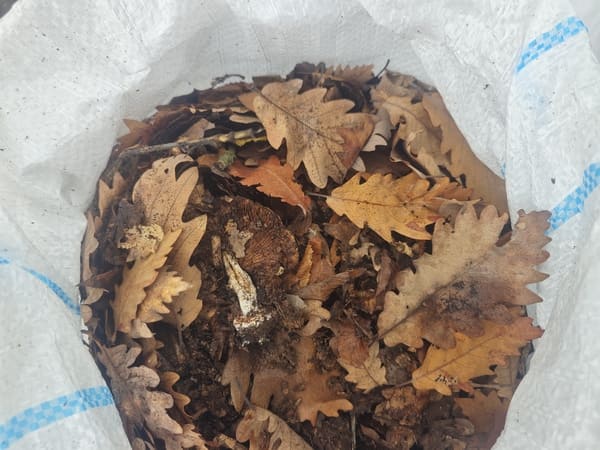
Oak, beech, chestnut, pine needles, conifer mix — contain tannins and organic acids.
Neutral to balanced (pH 6–6.5):
Maple, linden, hornbeam, hazel, birch — create a stable humus that suits roses best.
Mildly alkalizing (for acidic soils < pH 6):
Ash, walnut, poplar — rich in calcium and base cations.
Apple, pear, and cherry leaves can carry fungal spores (scab, rust, black spot) — compost them separately before use.
⚠️ Important:
Never collect leaves along city streets or busy highways — they absorb heavy metals and exhaust residues. Use only clean forest or garden leaves far from traffic.
How to Apply Leaf Mold Around Roses
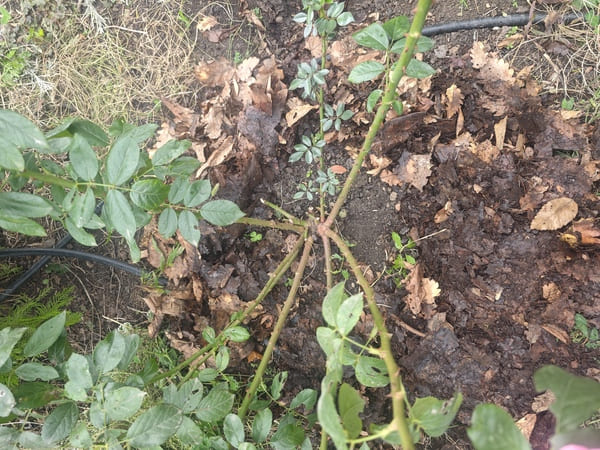
Spread 2–3 cm (≈1 in) of mature leaf mold around each rose, keeping 5–7 cm (2–3 in) away from the crown for airflow.
Top with a thin layer of shredded fresh leaves — it mimics the forest floor: protection above, active biology below.
Choose a cloudy or drizzly day — moisture helps microbes migrate into the root zone.
If it rains soon after, nature finishes the job for you.
If You Cover Roses for Winter
Under airtight covers, leaf mold can stay too wet and ferment. Use dry mulch (straw, pine needles) beneath the cover, and apply leaf mold later in early spring when ventilation returns.
Forest Tea — The Living Activator
I always keep a small bucket of forest humus to brew Forest Tea —a gentle microbial elixir that awakens soil life.
Recipe:
- 1 bucket (10 L) forest leaf mold
- 10 L of dechlorinated water
- 1 tbsp honey or molasses
- (optional) 1 cup rice water or sauerkraut brine
Stir daily for 3–5 days until it smells of mushrooms and sweet soil.
Strain and dilute 1 L of tea: 10 L of water, and drench around roses or perennials.
Why This Matters
Each autumn, as I kneel among the leaves, I feel connected to my roots — my family’s and the earth’s.
When I spread forest humus beneath my roses, I’m not feeding the plant —
I’m feeding the life that feeds the plant.
That is true organic gardening: not merely avoiding chemicals, but building intelligent living soil that protects itself.
Ann Devis — the guide rose lovers return to season after season
Read more in my books:
Rose gardening books

Step into a calmer, more confident rose season. With Ann Devis’s rose gardening books and planner, you’ll get simple organic routines, proven tips, and checklists that keep your roses thriving – from first bud to last bloom.
Is leaf mold good for roses?
Yes. Leaf mold improves soil texture, moisture retention, and microbial diversity — creating the perfect environment for strong, disease-resistant roses.
How long does it take to make leaf mold?
Usually 6–12 months. Shredding leaves and keeping them moist speeds up decomposition. Turning the pile occasionally adds oxygen and warmth.
Which leaves make the best leaf mold?
Mixed hardwood leaves — oak, maple, birch, beech, and hazel — break down into nutrient-balanced humus. Avoid evergreen needles alone or diseased fruit leaves.
Is leaf mold acidic?
Mature leaf mold is near-neutral (pH 6–6.5). Fresh oak or conifer leaves are acidic, but the acidity fades as they decompose.
How do I use leaf mold around roses?
Spread a 2–3 cm layer around each plant, keeping the crown clear. Apply in autumn or spring to insulate roots and enhance soil life.
Can I use city leaves for compost or mulch?
Better not. Urban leaves often contain heavy metals and exhaust residue. Collect only from clean forested or rural areas.


