
Autumn's Embrace: Nurturing Your Garden Roses
Article updated:
As summer’s vibrant hues give way to autumn’s warm and earthy tones, rose gardeners face a crucial transition. Fall is not the time to push for new blooms — it’s the time to prepare your roses for winter rest and a brilliant spring comeback. The way you care for roses now will decide how strong, disease-free, and floriferous they will be next year.
This guide walks you through the essential autumn rose care routine step by step, with practical tips every beginner can follow.
Step 1: Keep Watering Until the Ground Freezes
Even as temperatures cool, roses continue to build strength below ground. Deep watering once a week is essential until the soil is frozen. Aim to soak the root zone — not just sprinkle the surface.
Step 2: Stop Fertilizing in Mid-September
By mid to late September, put away the fertilizers. Nitrogen-rich feeding stimulates tender new shoots, which won’t harden before frost. These shoots become the first casualties of winter.
Instead, allow roses to slow down naturally and channel their energy into woody canes and roots.
Garden tips
Morning watering is best. It prevents damp overnight foliage and reduces fungal risk.
Step 3: Deadhead Spent Blooms
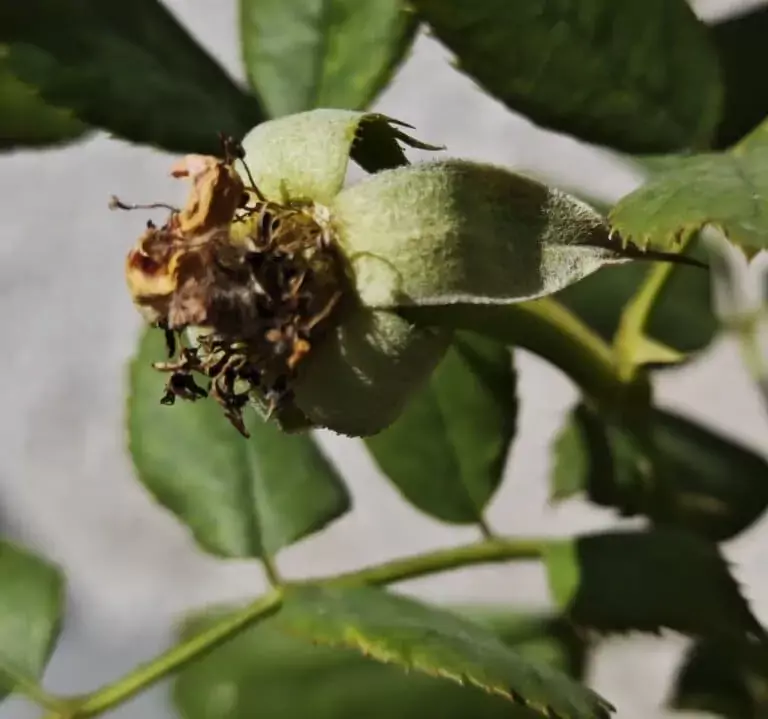
Many roses continue to flower into fall. Deadhead faded blooms to redirect the plant’s resources. But don’t trim too hard — the goal is energy conservation, not encouraging new flushes.
For most gardeners, fall pruning should be kept light and sanitary only. The goal is to remove dead, diseased, or damaged canes and prevent pathogens from overwintering. I don’t shorten my roses heavily in autumn — they enter dormancy naturally, and I leave shaping and more vigorous pruning for spring.
Sanitary fall pruning checklist:
Remove dead, broken, or diseased wood.
Cut out crossing canes that may rub and wound each other.
Clean tools before moving between plants.
Collect and discard debris — don’t compost infected leaves or stems.
Important note for colder climates:
In very cold and windy regions, some gardeners do cut back canes by one-third in fall to reduce wind rock and protect roots. If you live in USDA Zone 5 or colder, a light shortening may help. Always wait until after the first frost and avoid stimulating new growth.
When to prune?
- After the first frost (late October–November in most zones).
- Wait for dormancy — pruning too early may trigger fresh growth.
- Mild climates: Light trim in fall, heavier pruning in late winter.
Step 5: Disease and Debris Cleanup
Fallen rose leaves are a favorite hiding place for black spot and rust spores. After pruning:
- Rake up all leaves and debris.
- Discard diseased material — never compost it.
- Lightly dust soil with wood ash for a natural antifungal barrier.
Step 6: Mulch and Soil Protection
Mulch shields roots from freezing and keeps soil temperature stable.
Best mulch materials for fall:
- Shredded hardwood bark (long-lasting)
- Compost (applied as a separate layer, not mixed with ash)
- Oak leaves (partially composted)
- Straw or pine needles (mixed, not pure layers)
Keep mulch 20–30 cm away from the crown to prevent rot. In USDA zones five and colder, mound soil 8–10 inches over the graft union before adding mulch.
Step 7: Frost Protection and Winter Prep
- In mild zones (USDA 7+), Mulch and light pruning may be enough.
- In colder zones (USDA 5–6): Add a soil mound and cover roses with burlap or evergreen branches.
- In very cold zones (USDA 4 and below): Consider full winter wrapping with breathable fabric.
🌟 Key Takeaways — Autumn Rose Care
- Keep watering: Roses need consistent moisture until the soil freezes.
- Stop fertilizing: From mid-September, to avoid soft growth that frost will damage.
- Deadhead blooms: Helps roses focus on root strength and dormancy.
- Prune after first frost: Remove diseased wood, shorten canes by 1/3, keep stems knee-high.
- Clean garden debris: Prevents overwintering pests and fungal diseases.
- Mulch or mound soil: Protect the crown and roots from freezing temperatures.
FAQ — Fall Rose Care
Yes, light pruning helps prevent wind damage and disease. Save hard pruning for spring.
Most do. Yellowing, orange, or red leaves before dropping is a natural dormancy sign.
Most do. Yellowing, orange, or red leaves before dropping is a natural dormancy sign.
Late fall, after the ground cools but before it freezes, is ideal.
Mound soil over the crown, apply mulch, and cover climbers with burlap or branches in cold zones.
In autumn, rose care shifts from feeding blooms to preparing for dormancy: water deeply until frost, stop fertilizing in September, prune lightly after the first frost, clean fallen leaves, and mulch to protect roots. These steps ensure healthy roses and abundant blooms next spring.
Want to Learn More?
This article is just a glimpse into seasonal rose care. For every challenge — from soil balance to pruning, pests, and flowering secrets — you’ll find a clear solution in my book:
🌹 Why Doesn’t My Rose Grow and Bloom? 100 Reasons and Solutions
✨ The guide rose lovers return to season after season.
👉 Get your copy here and give your roses the care they’ve been waiting for.
Rose gardening books


Explore rose gardening books and garden planner by Ann Devis. Get practical tips, organic techniques, and insights to create and maintain a stunning, thriving rose garden.