
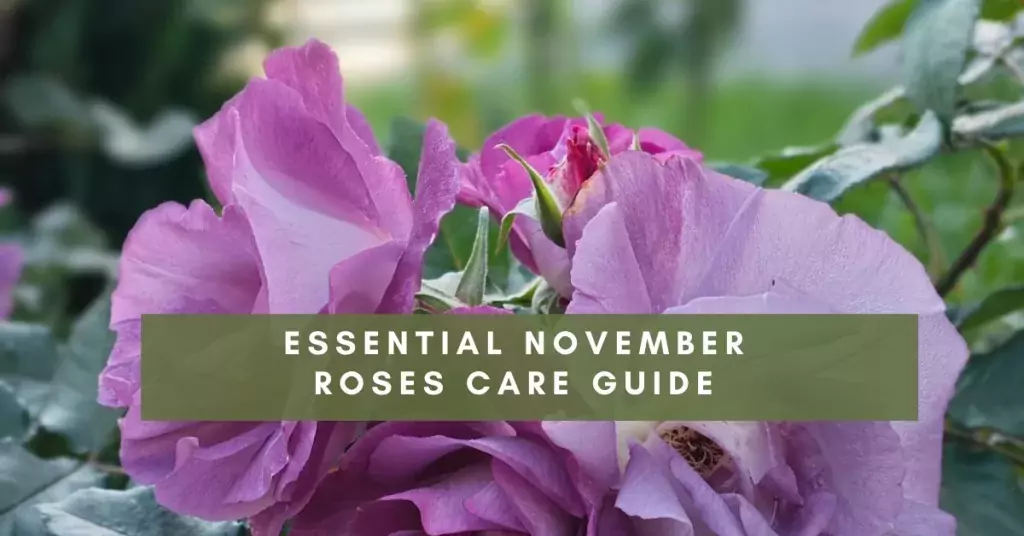
In November, roses enter dormancy as temperatures drop below 50°F (10°C). To prepare them for winter, water deeply before the ground freezes, add compost and mulch for insulation, and remove dead or diseased wood. Avoid heavy pruning and late fertilization, as both can trigger tender new growth vulnerable to frost. In colder regions, wrap or mound soil around the base for extra protection.
Roses are a jewel in any garden with their breathtaking beauty and delicate fragrance. However, as the chilly November winds blow, rose enthusiasts often wonder how to ensure these delicate blooms survive the winter. In this comprehensive guide, we’ll delve into rose care in November, addressing common questions and providing expert advice to keep your roses thriving even in the coldest months.
Understanding November Transitions
In USDA zones 3–5, frosts have already begun, and roses are entering full dormancy. Their leaves yellow and drop — a natural way to conserve energy. In zones 6–7, the transition is slower: mild days alternate with sudden cold snaps. Meanwhile, in zones 8–10, roses may still hold blooms or even push new buds, but that doesn’t mean they’re immune to stress; they still need help adjusting to shorter days and cooler nights.
Do Roses Lose Their Leaves in Winter?
As temperatures drop, roses shed their leaves as part of their natural process to conserve energy and protect themselves from the harsh weather. This doesn’t mean your roses are dying; it’s a survival mechanism. By losing their leaves, roses redirect energy to their roots, preparing for the coming spring.
Some roses, especially evergreen types, might retain a portion of their leaves throughout the winter. This can vary based on the local climate and the specific rose variety. However, most roses lose their leaves in their natural winter dormancy.
Do You Winterize Roses?
Winterizing roses is crucial to ensure their survival during the cold months. Proper winterization involves providing a layer of mulch around the base of the plant. Mulch acts as insulation, protecting the roots from extreme cold and fluctuations in temperature. Additionally, winterizing roses includes pruning away dead or diseased wood. This promotes plant health and prevents diseases from spreading in the dormant season.
How Do I Prepare My Roses for Winter?
1. Hydration Before the Freeze
A well-hydrated root system is a rose’s best defense.
Zones 3–6: give one deep soaking before the ground freezes solid.
Zones 7–9: continue watering once every 10–14 days until consistent rain or winter dormancy sets in.
Avoid light daily watering — it promotes shallow roots.
2. Mulching and Soil Protection
After the first hard frost (when top leaves have dropped):
Pile 3–4 inches of organic mulch — compost, shredded leaves, or straw — around the base.
In zones 3–5, mound extra soil or compost 6–8 inches high over the crown to protect the graft union.
In milder zones, focus on even soil temperature rather than thickness of insulation.
3. Feeding the Soil, Not the Plant
Stop fertilizing by late August in cold regions, or by October in warm ones. New nitrogen growth now will freeze and waste stored energy. If soil is poor, add a thin top-dressing of compost only — it nourishes microbes through winter without stimulating new shoots.
How Do You Protect Roses from Frost?
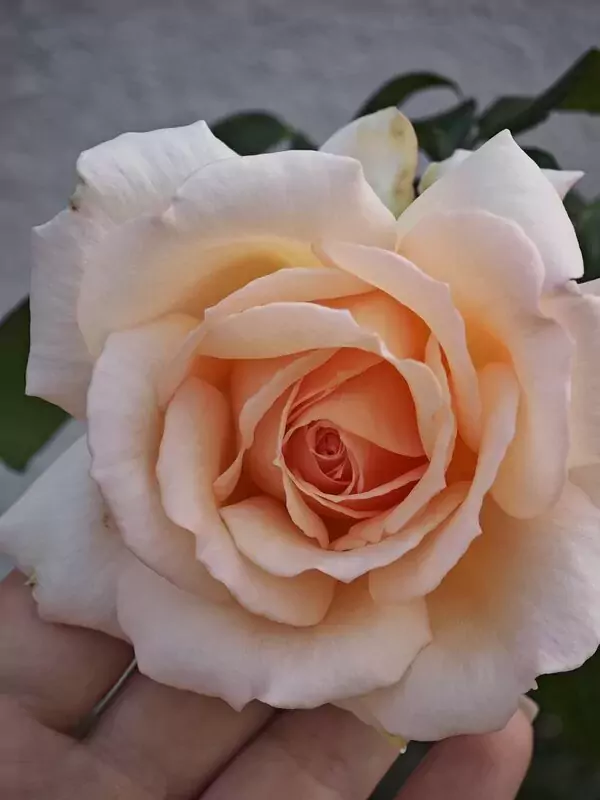
Frost poses a significant threat to roses in November. Consider covering your roses with frost cloth or burlap on particularly chilly nights to protect them. This temporary shield can safeguard the plants from frost damage without trapping excess moisture, which can lead to diseases. Watering your roses deeply before frost can help the plant withstand the cold. Well-hydrated roses are more resilient and less likely to suffer from frost-related stress.
Should I Fertilize My Roses in the Fall?
Fertilizing roses in the Fall is a topic of debate among gardeners. While it’s essential to provide adequate nutrients, fertilizing too late in the Fall can encourage new growth, which is susceptible to frost damage. Generally, it’s best to cease fertilization around late summer. However, if your soil lacks essential nutrients, consider a balanced, slow-release fertilizer in early spring to support healthy growth.
At What Temperature Does a Rose Go Dormant?
Understanding the temperature at which roses go dormant is vital for their care in November. Roses enter dormancy when temperatures consistently drop below 50°F (10°C). During this period, they redirect energy inward, halting growth and conserving resources. This natural cycle helps roses survive the winter and burst into new development when spring arrives.
Is November Too Late to Plant Roses?
Planting roses in November is possible, especially in regions with mild winters. However, it’s essential to choose hardy varieties and provide extra care. Late-planted roses have a shorter time to establish their root systems before winter, making them more vulnerable. Please make sure the planting hole is well-prepared with rich, well-draining soil. Mulch generously insulates the roots and water deeply to help the plant settle in before the ground freezes.
Planting roses in the spring or early fall is generally better, allowing ample time to establish their root systems before winter.

Pruning Techniques and Winter Rose Care Dos and Don'ts
When Should You Not Prune Roses?
Heavy pruning wakes the plant when it should sleep.
Do only sanitary cuts: remove black-spotted, dead, or broken stems.
In zones 8–10, where roses rarely freeze back, you can shorten long canes by one-third to prevent wind rock.
Save structural pruning for late February–March (zones 6–9) or April (zones 3–5) when buds swell but haven’t opened.
What Temperature Is Too Cold to Prune Roses?
Pruning in freezing temperatures can harm roses. Cold weather can cause fresh cuts to freeze, making it difficult for the plant to heal correctly. Ideally, wait for a milder day in late winter or early spring, when temperatures consistently stay above freezing. If you must prune in November, choose a day when the weather is relatively mild and dry, ensuring a clean cut without causing additional stress to the plant.
How Rose Care in November Differs for Different Varieties
Different rose varieties have unique characteristics and needs, especially in winter care. Hybrid tea roses, for instance, are more sensitive to cold temperatures and might require extra insulation. Consider mounding soil around the base of these roses to protect the graft union, which is vulnerable to winter damage. On the other hand, Hardy shrub roses are generally more resilient but can benefit from a layer of mulch to regulate soil temperature and conserve moisture.
Keeping Roses Healthy During Dormancy
Even in the cold, diseases can overwinter.
Collect and remove all fallen leaves — they harbor black spot and rust spores.
Spray canes with 1 part milk whey : 5 parts water or neem oil before covering.
Avoid sealing in moisture; ventilation prevents mold beneath mulch layers.
USDA Regional Notes
| USDA Zone | Key November Tasks |
|---|---|
| 3–4 | Complete winter mounding, cover with mulch or rose cones after first freeze. Water once more before ground locks. |
| 5–6 | Light pruning only, mulch thickly, consider burlap wraps for grafted hybrids. |
| 7–8 | Continue deep watering, reduce feeding, tidy foliage, add 2–3 inches compost mulch. |
| 9–10 | Remove diseased leaves, water moderately, thin mulch for airflow, expect some late blooms. |
Protecting Roses in Containers
If you have roses in containers, November requires special attention. Potted roses are more vulnerable to freezing temperatures because their roots are exposed to the cold air. Consider moving the pots to a sheltered location, such as a garage or shed, during cool nights. Alternatively, surround the pools with insulating materials like straw or bubble wrap. Water the container roses sparingly in November, as overwatering can lead to root rot in the chilly, damp conditions.
Monitoring Soil Moisture
Maintaining the correct soil moisture level is crucial for the overall health of your roses in November. While it’s essential not to overwater, it’s equally important not to let the soil dry out completely. A deep watering once a week, depending on the local weather conditions, should be sufficient. Moist but not waterlogged soil provides the necessary hydration without causing root suffocation. Mulching around the base of the plants helps retain moisture and regulates soil temperature, creating a conducive environment for the roses during their dormancy.
Looking Ahead to Spring
November is planning season. Sharpen pruners, prepare compost, and note which roses struggled — their placement or soil may need adjustment next year. When snow covers the beds, your roses will be quietly storing strength beneath the surface.
💡 Key Takeaways
Roses go dormant below 50°F (10°C) — this is normal and helps them survive winter.
Mulch and compost protect roots from freezing and enrich soil.
Avoid fertilizing or pruning heavily in November to prevent tender regrowth.
Container roses need insulation or an indoor shelter.
Hydrate before frost — deep watering helps roots withstand freezing stress.
Monitor for pests and disease — remove infected leaves and ensure air circulation.
FAQ
Roses typically do not bloom in November, especially in regions with colder climates. In many places, November is considered late fall or early winter, and roses generally enter a period of dormancy during this time.
However, some varieties, especially in milder climates, might occasionally produce a few late blooms. Preparing your roses for winter this month is essential, ensuring their health and vitality for the next growing season.
Planting roses in November is possible in regions with mild winters. If you’re in an area where the ground doesn’t freeze significantly and the weather remains relatively calm, you can plant roses in well-draining soil with adequate sunlight. However, choosing hardy varieties and providing proper winter care, including mulching and watering, is essential to help the newly planted roses establish their root systems before winter.
In November, the most crucial aspect of rose care is winterization. This
includes mulching around the base of the plants to insulate the roots, pruning
away dead or diseased wood, and providing proper hydration before the ground
freezes. Additionally, protecting roses from frost, monitoring soil moisture, and planning for spring pruning and feeding are essential tasks during this month to ensure the roses’ health and vitality during winter dormancy.
It’s generally recommended to stop fertilizing roses in late summer, around August or early September, depending on your region’s climate. Fertilizing too late in the fall can encourage new growth, vulnerable to frost damage.
Allowing the roses to naturally slow down and enter dormancy without promoting new development is essential for winter survival. Instead of late-season fertilization, focus on providing organic compost or well-rotted manure to enrich the soil and support the roses’ overall health.
In the fall, preparing your rose bushes for the upcoming winter is essential. This involves pruning away dead or diseased wood, stopping major pruning activities to prevent new growth, and providing a layer of mulch around the base for insulation. Additionally, well-hydrated roses are more resilient, so watering them thoroughly before the ground freezes is crucial. Monitoring and addressing any diseases or pests promptly is also essential to maintain the overall health of the bushes.
Nurturing Roses Through November and Beyond
November marks a crucial period in the life cycle of your roses. Understanding their specific needs during this time can safeguard their health and ensure a spectacular display of blooms in the coming spring. From proper insulation and watering techniques to addressing diseases and pests, your attention to detail in November sets the stage for a vibrant and thriving rose garden in the warmer months. By following these guidelines and staying attuned to the unique requirements of your rose varieties, you can enjoy the beauty of your roses not just in summer but throughout the year.
In this comprehensive guide, we endeavor to address all your queries regarding November rose care. Please post your questions in the comments section below if you have further inquiries. We are here to assist you with expert advice and tailored solutions.
Happy gardening!
Rose gardening books

Explore rose gardening books and garden planner by Ann Devis. Get practical tips, organic techniques, and insights to create and maintain a stunning, thriving rose garden.