

Ah, the joy of spring, when nature awakens from its slumber, and so do our beloved roses. As an organic gardener with years of hands-on experience, I’ve learned that the secret to magnificent roses isn’t found in synthetic chemicals, but in nurturing the living soil beneath them.
This guide shares my complete organic protocol for spring rose fertilization, including my personal soil microbiology system using Trichoderma, aerated compost tea, and EM (Effective Microorganisms). While I respect that other gardeners may choose different paths, my practice is rooted 100% in organic methods that feed the soil to feed the plant.
When to Start: Timing is Everything in Organic Care
The most common mistake in spring rose care is impatience. Roses are hardy souls, but premature feeding can shock their systems. In organic gardening, we work with nature’s rhythm, not against it.
The Golden Rule: Wait for the Signals
Optimal timing: Late March to early April (adjust for your climate zone)
Nature’s indicators that roses are ready:
- New green shoots emerge, 2-5 cm in length
- Night temperatures consistently above 5°C (41°F)
- First leaves begin to unfurl from buds
My personal note: I never fertilize until I see those delicate green shoots. Think of it as serving breakfast – roses must be fully awake to digest their meal. Premature feeding wastes nutrients and can harm dormant roots.
Phase 1: Building the Soil Foundation
In organic gardening, we don’t just feed plants – we cultivate an ecosystem. My spring protocol begins two weeks before any fertilizer is applied to the soil.
Step 1: Trichoderma Soil Treatment (Early Spring)
Trichoderma is a beneficial fungus that acts as your roses’ underground bodyguard. Research shows it’s 75-90% effective against root rot, Fusarium, and powdery mildew in roses.
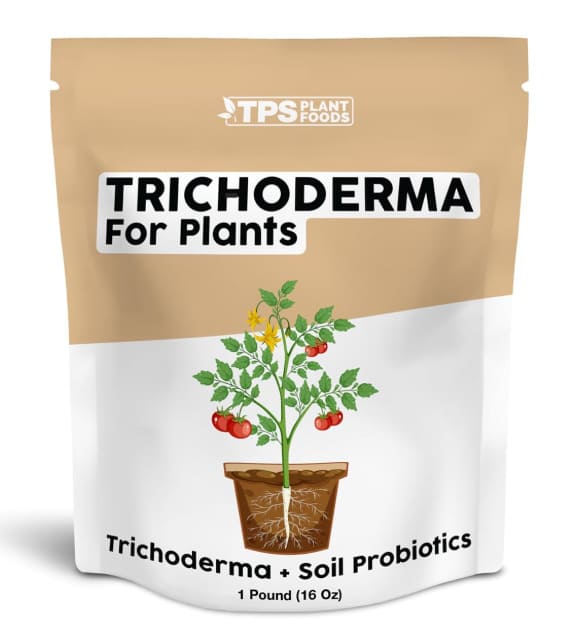
My application method:
- Apply as soon as the soil is workable after snowmelt.
- Use 5-10 grams per mature bush, worked into the top 5-10 cm of soil.
- Water lightly to activate
- Wait 7 days before next treatment.
Why this works: Trichoderma colonizes the root zone before pathogens can establish, creating a protective barrier and stimulating the plant’s natural immune response.
Step 2: EM (Effective Microorganisms)
EM (Effective Microorganisms) is a concentrated blend of beneficial microbes developed by Dr. Teruo Higa in Japan. This powerful inoculant contains lactic acid bacteria, photosynthetic bacteria, and yeasts that work synergistically to improve soil structure and nutrient availability.
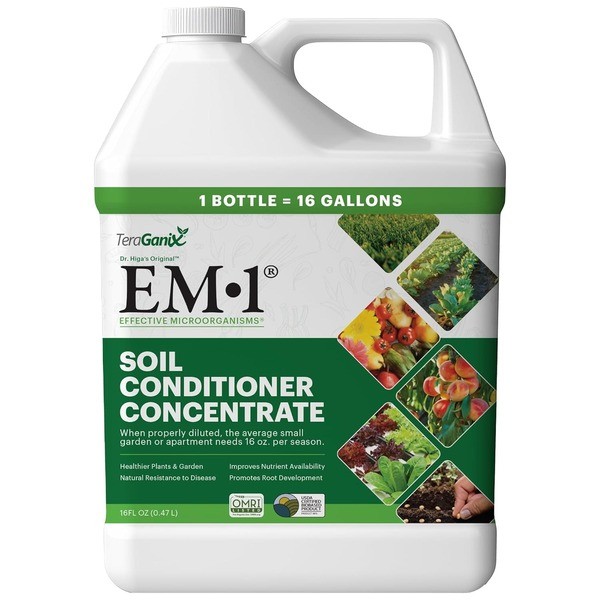
My EM Spring Protocol:
| Application | Timing | Method | Rate |
|---|---|---|---|
| Soil drench | Week 1 (with Trichoderma) | Dilute activated EM 1:100 | 2 liters per bush |
| Foliar spray | Week 3 | Dilute 1:500 with water | Mist leaves early morning |
| Compost booster | Ongoing | Add to compost tea base | 30ml per 20L bucket |
How to activate EM (if using mother culture):
Mix 3/4 cup EM mother culture with 3/4 cup blackstrap molasses in warm water. Ferment for 7 days, then dilute for use.
Benefits I’ve observed:
- Improved soil drainage and structure
- Faster decomposition of organic matter
- Enhanced nutrient absorption by roots
- Natural suppression of soil-borne diseases
- Elimination of unpleasant odors in compost
Step 3: Aerated Compost Tea (The Living Elixir)
One week after applying Trichoderma and EM, I brew and apply my signature aerated compost tea. This living liquid contains billions of beneficial bacteria and fungi that help roses get off to the perfect spring start.
My Proven Recipe:
| Ingredient | Amount | Purpose |
|---|---|---|
| Vermicompost | 1 cup | Beneficial bacteria & fungi base |
| Forest soil | 1/2 cup | Local mycorrhizal fungi |
| Nettle tea (steeped) | 2-3 tbsp | Growth stimulant & micronutrients |
| Fish emulsion | 1 tbsp | Nitrogen & omega fatty acids |
| Activated EM | 30ml | Microbial diversity boost |
| Non-chlorinated water | 20 liters | Brewing medium |
| Aquarium air pump | 1 unit | 24-48 hour aeration |
Critical brewing notes:
- Aeration is non-negotiable: Run the air pump continuously for 24-48 hours. This breeds aerobic (oxygen-loving) microbes that roses need
- Use immediately: The tea is alive – apply within 4 hours of stopping aeration for maximum benefit.
- Apply twice: Pour 1-2 liters around each bush’s root zone, and foliar feed by spraying diluted tea (1:1 with water) on the leaves.
Personal observation: Within 3-4 days of application, leaves turn a deep, vibrant green. This isn’t just nutrition—it’s the visible result of microbial activity improving nutrient uptake.

Phase 2: Organic Pest Management (Pre-Fertilization)
Before feeding your roses, ensure they’re entering a clean environment. Organic pest control starts with prevention.
My Spring Cleaning Checklist:
- Remove winter protection carefully to avoid damaging new growth.
- Sanitation pruning: Cut all dead, damaged, or diseased canes
- Clear debris: Remove old leaves and mulch where pests overwinter
- Soil inspection: Check for root rot or pest damage
- Beneficial insect habitat: Plant dill, fennel, and calendula nearby to attract ladybugs and lacewings
Organic pest prevention spray (if needed):
- Neem oil (1 tbsp per liter of water)
- Insecticidal soap (organic, potassium-based)
- Apply only if pest pressure is visible.
Phase 3: Tailored Organic Nutrition by Rose Type
Each rose variety has unique nutritional needs. Here are my organic recommendations based on years of observation:
Hybrid Tea Roses
These elegant bloomers need balanced nutrition for large flowers on long stems.
My organic blend:
- Alfalfa meal (5-1-2 NPK): 1/2 cup per bush in early spring
- Bone meal: Handful worked into soil for phosphorus
- Epsom salts: 1 tablespoon for magnesium (if soil test indicates need)
Why alfalfa? It contains triacontanol, a natural growth stimulant that promotes longer, straighter stems.
A Symphony of Spring for Your Rose Haven
Floribunda Roses
Heavy bloomers need nitrogen for foliage and flower production.
My organic protocol:
- Fish emulsion (high nitrogen): Every 3 weeks during spring growth
- Compost side-dressing: 2-inch ring around each bush
- Banana peels: Buried 5cm deep for potassium (42% K by dry weight!)
Shrub Roses
Hardy varieties need potassium for disease resistance.
My approach:
- Greensand (0-0-3): For slow-release potassium
- Wood ash (handful per bush): Alkaline potassium source
- Compost mulch: 3-inch layer to suppress weeds and retain moisture

Climbing Roses
Vertical growth demands phosphorus for stronger roots and stems.
My organic strategy:
- Rock phosphate: Worked into the soil at the drip line.
- Kelp meal: For micronutrients and stress resistance
- Aged manure: Side-dressed in early spring
Love roses? Grow them better.
My organic rose gardening books give you simple routines, proven tips, and checklists. Keep your roses thriving all season with Ann Devi’s Rose Garden Planner, Revolution in the Rose Garden, and Why Doesn’t My Rose Grow and Bloom? – your complete guides to organic, chemical-free rose success.
Rose gardening books


Step into a calmer, more confident rose season. With Ann Devis’s rose gardening books and planner, you’ll get simple organic routines, proven tips, and checklists that keep your roses thriving – from first bud to last bloom.

The Art of Organic Application: Best Practices
✅ Do:
- Hydrate first: Always water the soil before applying any fertilizer to prevent root burn.
- Even distribution: Spread amendments in a circle at the drip line, never against stems
- Compost companions: Layer organic matter to feed soil life
- Moderate amounts: Organic feeding is gentle but cumulative—less is more
- Water after: Help nutrients reach the root zone
❌ Don’t:
- Never pile organic matter against stems (causes rot)
- Don’t over-apply nitrogen (weak growth, aphid attraction)
- Skip watering after application.
- Fertilize frozen or waterlogged soil.
Organic Spring Fertilization Schedule
| Timing | Action | Organic Input |
|---|---|---|
| Early March | Soil awakening | Trichoderma soil treatment |
| Week 2 | Microbial boost | Activated EM soil drench |
| Week 3 | Living fertilizer | Aerated compost tea (roots + foliar) |
| Mid-April | First feeding | Alfalfa meal or fish emulsion |
| May-June | Maintenance | Compost tea or nettle tea every 2-3 weeks |
| Late August | Pre-dormancy prep | Bone meal (low nitrogen) |
DIY Organic Fertilizers from Your Garden
Nettle Tea (Nitrogen Booster)
Steep fresh nettles in water for 24 hours. Dilute 1:10 and apply as a foliar feed or soil drench. Rich in nitrogen, iron, and magnesium.
Comfrey Tea (Potassium Power)
Comfrey leaves contain 2-3 times more potassium than farmyard manure. Ferment in water for 2 weeks, then dilute 1:5.
Eggshell Tea (Calcium Boost)
Boil clean eggshells for 10 minutes, steep overnight. Use for cell wall strength and disease resistance.
Banana Peel Smoothie
Blend peels with water and molasses. Dilute and spray for potassium-rich foliar feeding.
FAQ: Organic Spring Rose Fertilization
Wait until new leaves emerge and frost danger passes – typically late March to early April. Organic methods work with soil biology, which needs warmth to activate.
No. Even organic nutrients can stimulate vulnerable new growth. Wait for consistent temperatures above 5°C (41°F).
Excess nitrogen (even from organic sources like blood meal) causes soft, sappy growth that attracts aphids and produces fewer blooms. Stick to recommended amounts.
I apply my aerated compost tea once heavily in early spring, then lighter applications every 3-4 weeks during the growing season.
Yes. You can cultivate lactic acid bacteria from rice wash water and milk, though commercial EM mother cultures ensure specific, proven strains. I use activated commercial EM for consistency.
Absolutely. Trichoderma is a naturally occurring soil fungus approved for organic use. It’s a biological control agent, not a chemical.
Aerated tea (brewed with oxygen) supports the growth of beneficial aerobic bacteria that promote plant health. Non-aerated tea can breed anaerobic (oxygen-hating) pathogens. Always aerate for at least 24-48 hours.
Never. Only use composted manure aged 2+ years. Fresh manure burns roots and may contain pathogens. This is true for both organic and conventional gardening.
Signs of hunger: pale green/yellow leaves, stunted growth, small blooms. However, in healthy organic soil with regular compost additions, roses often need less supplemental feeding than in depleted soils.
Yes, but with caution. They’re acidic and high in nitrogen. Mix into compost rather than applying directly, or use only on acid-loving rose varieties.
Because healthy soil = healthy plants. Synthetic fertilizers feed plants directly but ignore soil life. Organic methods build a self-sustaining ecosystem in which microbes continuously convert organic matter into plant-available nutrients.
The Organic Difference
Organic spring fertilization isn’t just about replacing synthetic chemicals with natural alternatives – it’s about fundamentally changing how we relate to our gardens. When I apply Trichoderma, brew compost tea, and inoculate with EM, I’m not just feeding roses; I’m cultivating a living soil ecosystem.
My roses have responded with deeper colors, stronger fragrance, and remarkable disease resistance. But the real reward is knowing that my garden supports beneficial insects, healthy soil food webs, and a safer environment for all living things.
Whether you’re transitioning from conventional methods or deepening your organic practice, remember: feed the soil, and the soil will feed your roses. Start with microbial life, add organic matter, observe your plants closely, and let nature do the heavy lifting.
Here’s to a spring filled with vibrant, organically-grown blooms!


