
Why Pruning Climbing Roses Works (and Why It Often Fails)
What Pruning Actually Does to a Climbing Rose
- Encouraging new growth: Pruning stimulates the production of new shoots, resulting in a denser and more vigorous plant with increased flowering potential.
- Maintaining structure and shape: By strategically removing unwanted branches, you can guide the climbing rose to follow your desired training structure (trellis, fence, etc.) and prevent it from becoming overgrown and unmanageable.
- Promoting air circulation and sunlight penetration: Pruning helps to remove congested growth, allowing for better air circulation and increased sunlight penetration throughout the plant. This practice aids in averting diseases and promotes the robust development of blossoms, ensuring a flourishing and disease-resistant floral display.
- Removing dead, diseased, or damaged branches: Pruning eliminates these problematic elements, preventing the spread of disease and promoting overall plant health.
When to Prune Climbing Roses (Based on Climate, Not Habit)
They form flowers exclusively on last year’s growth, which means spring pruning removes the entire flowering potential. These roses must be pruned only after flowering, when the old, spent canes can be replaced with new shoots that will bloom the following season.
Tools That Matter (and Why)
Now that you know “why” and “when,” let’s delve into the practical aspects of pruning. Here’s what you’ll need:
- Sharp pruning shears or bypass pruners:Ensure they are clean and well-maintained for precise cuts and to minimize damage to the plant.
- Heavy-duty gloves:Protect your hands from thorns and potential cuts.
- Optional: Loppers:For thicker branches that cannot be easily handled by pruning shears.
- Disinfectant:Clean your pruning tools before and after each use to prevent the spread of disease.
Prune Climbing Roses:
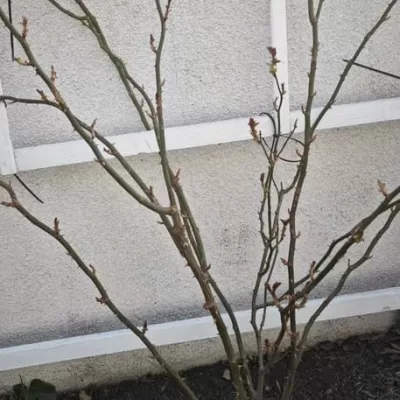
First-Year Pruning:
- Allow the rose to establish its root system.
- Focus on training the main stems horizontally along a support structure.
- Remove any damaged, weak, or dead stems.
Second-Year Pruning:
- Retain 3–5 strong main stems as your framework.
- Prune lateral (side) stems to 2–3 buds or about 6 inches to encourage flowering.
Subsequent Years:
- Remove one or two of the oldest canes to stimulate new growth.
- Trim lateral stems back to 2–3 buds annually after flowering.
- Train new shoots horizontally for more blooms.
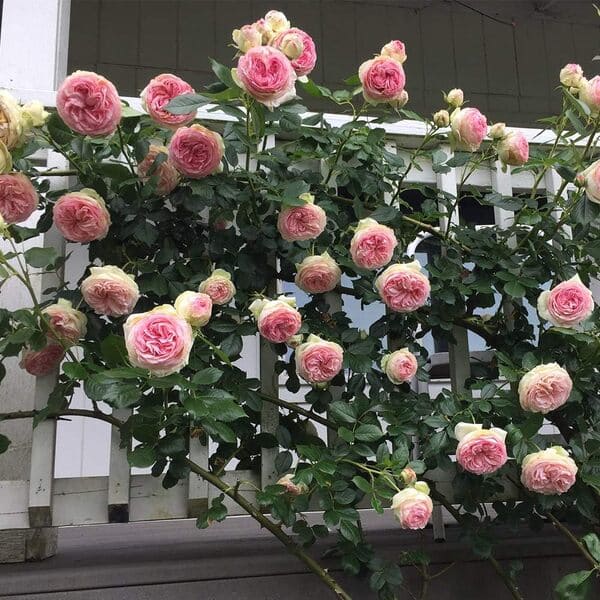
Eden rose. photo by Ann Devis
Step-by-Step Guide to Pruning Your Climbing Rose
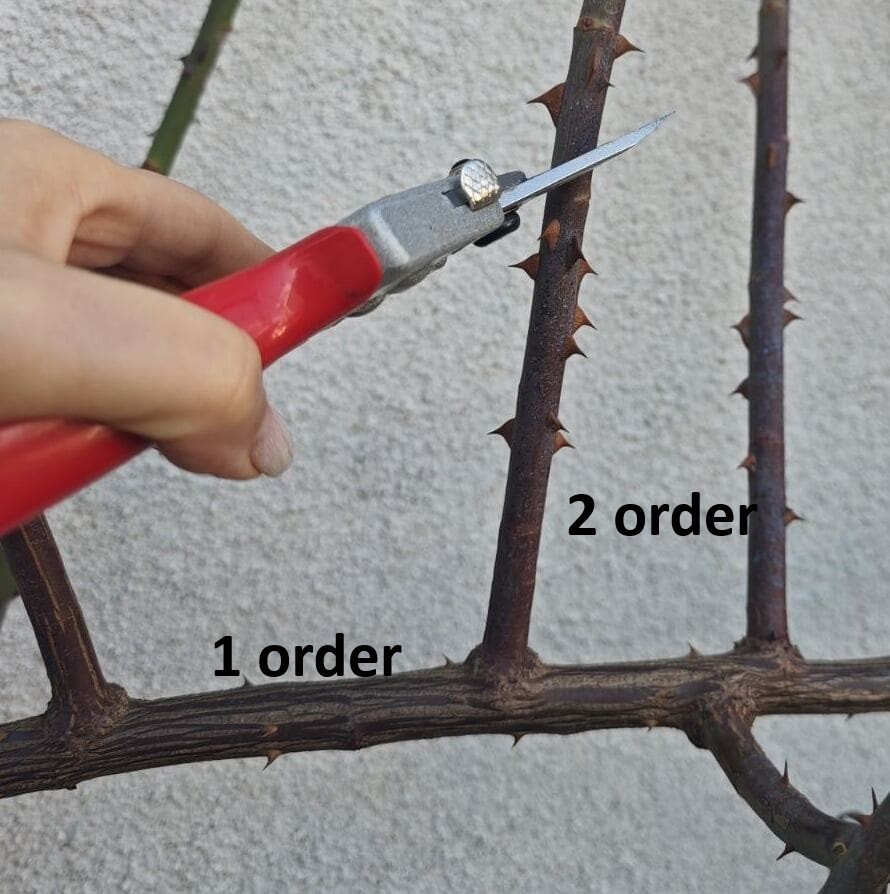
Stem Orders Explained:
First-Order Stems:
- The main primary canes grow directly from the base or rootstock.
- These form the structural framework.
Second-Order Stems:
- Lateral branches emerge from first-order stems.
- Prune these to 2–3 buds to encourage flowering.
Third-Order Stems:
- Small shoots that develop from second-order stems.
- These bear flowers and should be lightly trimmed for maintenance.
Pruning Wicker Roses for Maximum Flowering:
- After Flowering:
- Remove spent blooms to direct energy toward new growth.
- Trim back lateral stems lightly.
- Annual Maintenance:
- Cut back up to one-third of the oldest canes to the base.
- Remove crossing stems and those growing inwards.
Pruning Specific Groups:
Climbers:
- Train the main canes horizontally for a fan shape.
- Annually prune lateral shoots to 2–3 buds.
- Remove old or weak canes after blooming.
Ramblers:
- They are best pruned after flowering as they bloom on the previous year’s wood.
- Remove about one-third of the oldest canes.
- Thin out crowded growth to improve air circulation.
Rablings:
- It’s a mix between climbers and ramblers.
- Prune in late winter or early spring.
- Train and thin as needed, following the principles of both groups.
Examples of climbing rose varieties by group
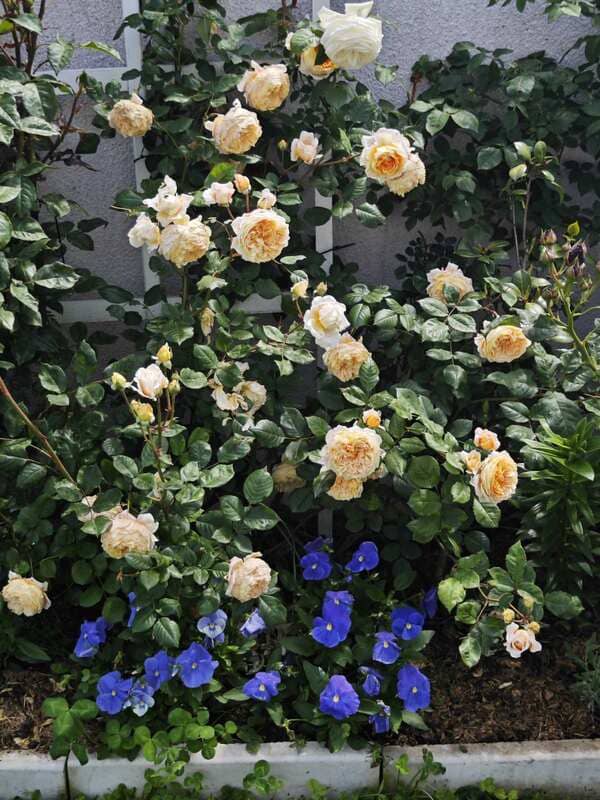
Crown Princess Margarita rose. Rambling. Photo by Ann Devis
Ramblers
- Albertine
- Wedding Day
- Rambling Rector
- Excelsa
- Félicité et Perpétue
- Malvern Hills
- The Albrighton Rambler
- Snow Goose
- Francis E. Lester
- Kew Rambler
Rablings
- Ghislaine de Féligonde
- Super Dorothy
- Lady of the Lake
- The Generous Gardener
- Francis E. Lester
- Ghislaine de Féligonde
- Claire Austin
- The Generous Gardener
- Mortimer Sackler
- Lady of the Lake
Climbers
- New Dawn
- Iceberg Climbing
- Golden Showers
- Eden Climber
- Climbing Cecile Brunner
- Tess of the d’Urbervilles
- James Galway
- Strawberry Hill
- Gertrude Jekyll
- Bathsheba
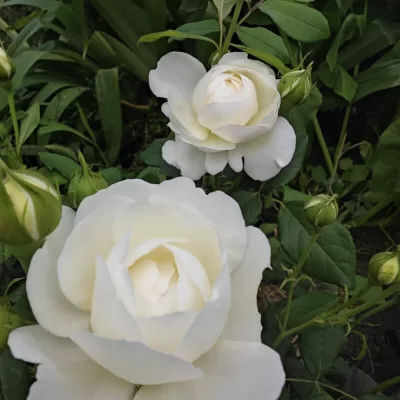
Claire Austin rose. photo by Ann Devis
Beyond the Basics: Additional Tips for Success
Dealing with Overgrown Canes: Climbing roses can become a tangle of unruly canes if left unchecked. Identify the oldest and least productive canes and prune them back to the base. Enabling the plant to channel its energy towards younger and more robust canes fosters a healthier growth trajectory, leading to abundant, vibrant, and flourishing flowers.
- When pruning climbing roses, remember the three Ds – remove any dead, damaged, or diseased wood.
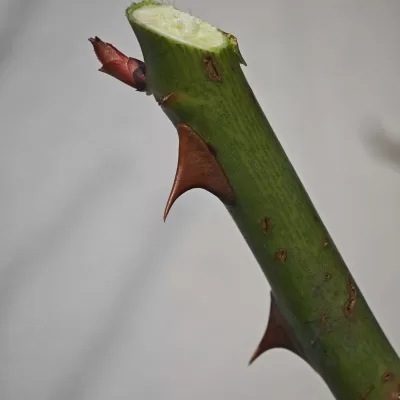
- Always make clean cuts: Use sharp tools and cut at a 45-degree angle above an outward-facing bud. This promotes proper healing and encourages new growth in the desired direction.
- Avoid excessive pruning: Remember, less is often more. Excessive pruning can reduce flowering potential.
- Be mindful of your specific rose variety: Different climbing rose varieties may have slightly different pruning requirements. Research the specific needs of your particular rose for the best results.
Enjoy the process!
Pruning should be a mindful and enjoyable experience. Take your time, observe your rose, and make decisions to enhance its health and beauty.
Special Considerations to prune climbing roses
Overgrown Roses and Recovery Pruning
Repeat-Blooming Climbers and Summer Pruning
Roses on Arches, Walls, and Trellises
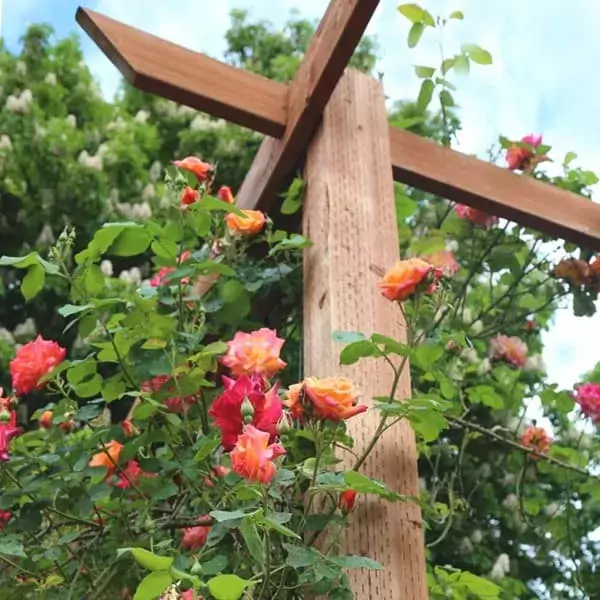
By adhering to these guidelines and integrating these supplementary insights, you’re on the path to attaining expertise in pruning climbing roses. Remember, caring for climbing roses is an ongoing process, and with consistent attention and proper pruning techniques, you can ensure that your garden continues to be adorned with a breathtaking display of floral splendor.
FAQ About Pruning Climbing Roses
For long-term clarity, the Rose Garden Planner 2026 – Log Book helps track cane age, pruning dates, and bloom cycles.
And for gardeners ready to stop reacting and start building systems, Revolution in the Rose Garden – Organic Rose Gardening shows how healthy roses stay productive with less interference.
Rose gardening books


Step into a calmer, more confident rose season. With Ann Devis’s rose gardening books and planner, you’ll get simple organic routines, proven tips, and checklists that keep your roses thriving – from first bud to last bloom.