
- Own-root roses or grafted roses on rose rootstock – remove almost all buds and leave only one or two, just to see the flower. Everything else should go. The rose needs to spend energy on roots, not flowers.
- Roses grafted onto vigorous rootstock – you can leave three to five buds, but as soon as the flower fades, cut it off immediately. Don’t let the rose form hips because that steals energy.
- Small hybrid tea or floribunda bushes – if the rose is under 30 cm tall, remove all buds. Let it grow first.
The Main Secret Many People Miss: Grass Mulch
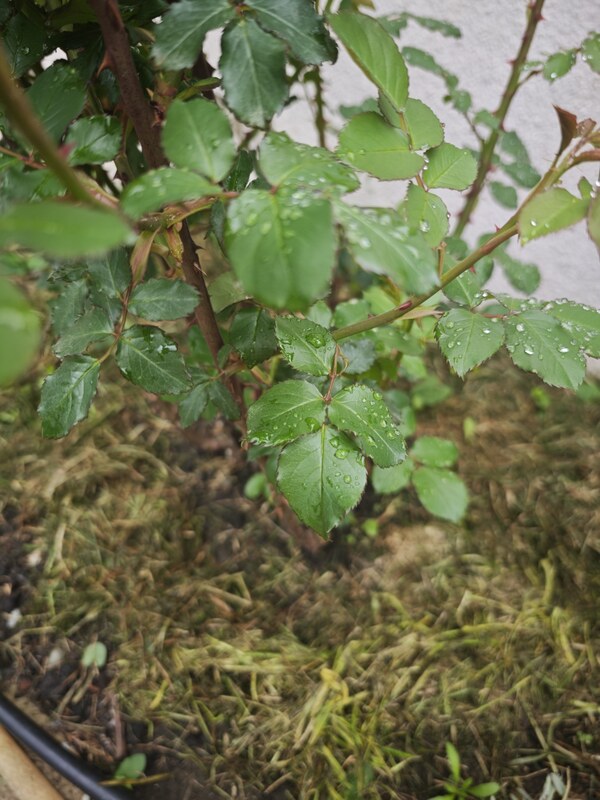
How to mulch properly:
- Cut the grass before it flowers, or you’ll spread weeds.
- Don’t use grass from lawns treated with chemicals because it destroys the microbial life you want.
- Water the soil before mulching. Dry grass on dry soil will pull moisture upward.
- Apply a 5-7 cm layer.
- Leave a bare ring around the base of the rose. Decomposing grass creates heat and moisture. If it touches the crown directly, rot may begin. Keep 5-7 cm of space.
- Add fresh grass every three to four weeks on top. This keeps the mulch active instead of turning into dry debris.
Spring Pruning: Don’t Be Afraid to Cut
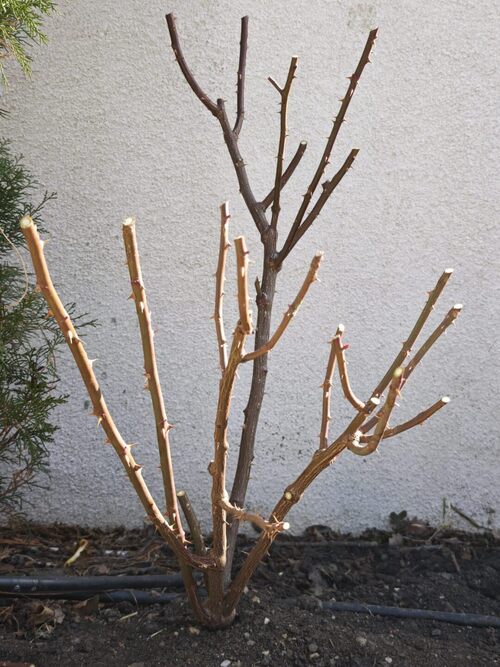
- Remove all winter damage. The cut should be white or green inside, never brown. Brown wood is dead – cut lower.
- Shape the bush like an open bowl. The center should stay airy and open. Remove all thin shoots growing inward, as they block airflow and light, which directly leads to disease.
- Shorten the remaining canes. Hybrid teas should be cut back by about one-third. Floribundas by about one-quarter. This stimulates side shoots, which carry flowers.
- Remove all shoots thinner than a pencil. They rarely produce quality blooms and only overcrowd the plant.
Feeding by Growth Stage: What and When
Stage One: The Rose Wakes Up
Stage Two: Bud Formation
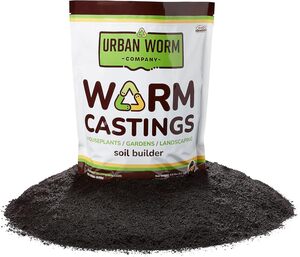
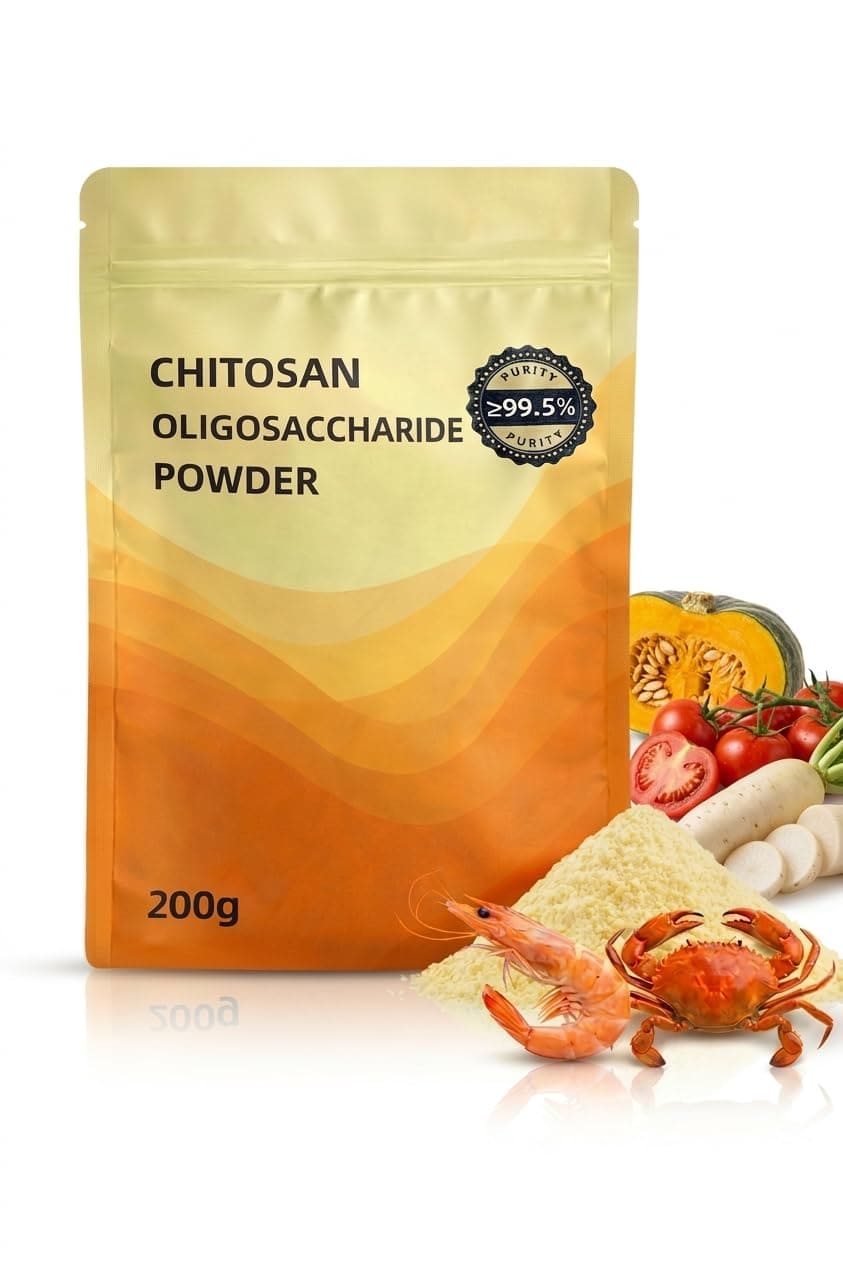
my superheroes in the garden

Stage Three: Buds Have Formed
Stage Four: Active Blooming
Disease Prevention: Start Before Symptoms Appear
Why Your Roses Stop Blooming: The Hidden Problems Most Gardeners Miss
If your roses are dropping buds, the new shoots look weak, or the blooming gets worse year after year, you are not alone. I’ve been through the same thing in my own garden. Again and again, I realized the problem was rarely a missing product or spray. Most of the time, it came down to timing, nutrition, or growing conditions that had quietly slipped out of balance.
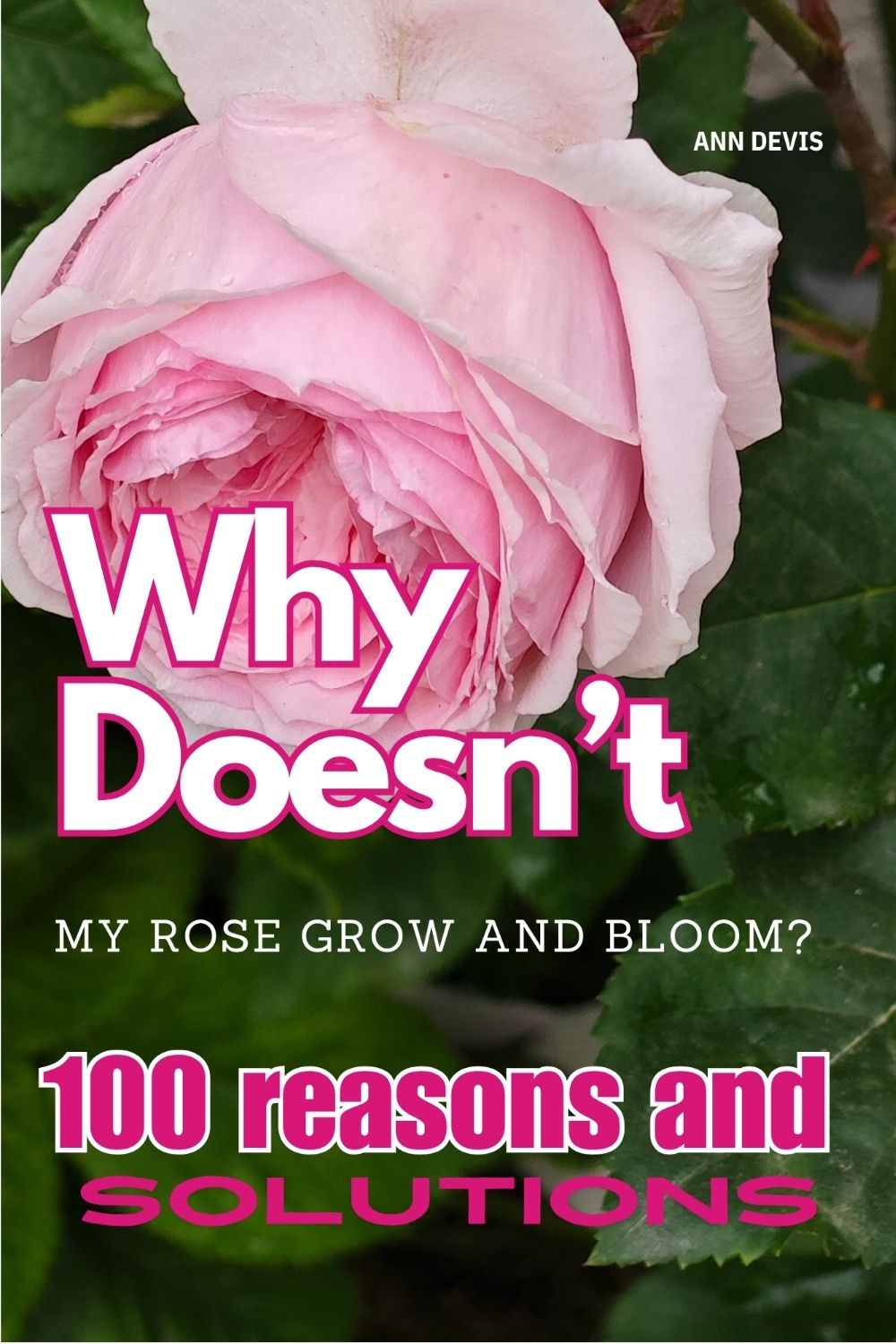
That’s exactly why I wrote “Why doesn’t My Rose Grow and Bloom? – 100 Problems and Solutions.” It’s a book that teaches you how to read the signals your rose gives you every day. Once you understand the cause, you stop guessing and start fixing the real issue.
One habit changed everything for me: keeping garden records. I write down what I sprayed, when I mulched, what the weather was like, and how the roses responded. After two seasons, clear patterns started to appear – which feedings truly worked, which timing mistakes caused problems, and when chitosan or Bacillus subtilis saved the bushes from powdery mildew. That notebook became the most valuable gardening tool I own.
That’s why I created the “Rose Garden Planner 2026 – Gardener’s Journal.” Every page is built around real seasonal tasks: pruning dates, feeding schedules, mulching timelines, and disease prevention routines. No empty pages you forget to fill in. Just a structured system that turns every season into a lesson you can build on year after year.
And if you’re tired of mysterious rose problems altogether, start with the soil. In my garden, I learned that healthy soil, active microbes, and simple organic methods solve more problems than endless spraying ever will. I gathered those principles in my book “Revolution in the Rose Garden ” – practical methods that work in real home gardens, not just on paper.
Rose gardening books
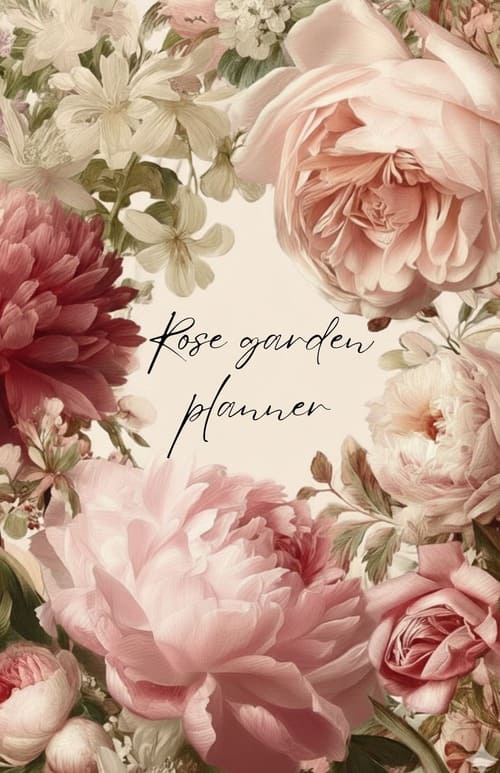

Step into a calmer, more confident rose season. With Ann Devis’s rose gardening books and planner, you’ll get simple organic routines, proven tips, and checklists that keep your roses thriving – from first bud to last bloom.
FAQ
- Own-root roses or those on weak rootstock: Remove all buds except one or two, just to confirm the flower color.
- Grafted roses on vigorous rootstock: Leave 3–5 buds, but cut off faded blooms immediately — never let hips form.
- Small bushes under 30 cm: Remove every single bud. Let the plant grow first.
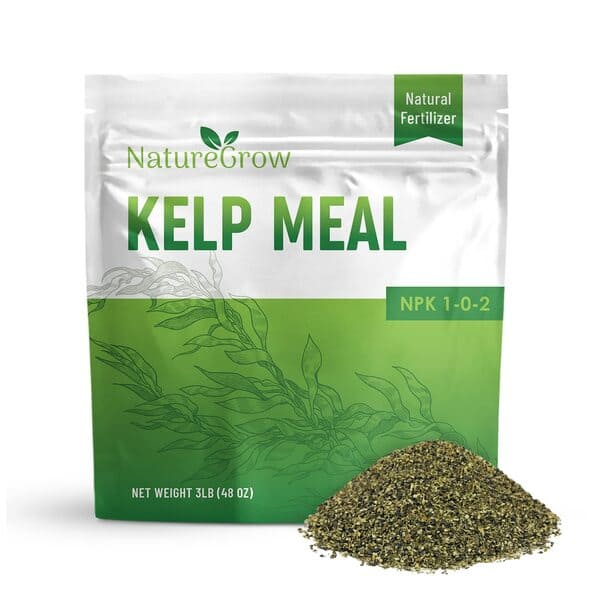
- Seaweed extract — stimulates bud opening and increases flower size
- Chitosan — protects against powdery mildew and black spot during this vulnerable period.
- Potassium — supports petal development and vibrant color


