

As summer draws to a close, the air turns softer, and the first golden leaves signal that the gardening year is shifting gears. For rose lovers, August and September aren’t the time to slow down — they’re the months to prepare your roses for a strong, healthy winter rest and a breathtaking spring comeback.
These late-summer weeks are about balance: giving your roses what they need, avoiding what will stress them, and ensuring their natural immunity is at its peak before the first frost.
1. Fertilizing: Switching from Growth to Strength
In August, roses don’t need a “push” for lush green shoots — they need nutrients to ripen wood, strengthen roots, and prepare buds for next year.
Do this:
- Early August: Apply a balanced fertilizer (e.g., NPK 10-10-10) one last time.
- After mid-August: Stop all nitrogen-rich feeds. Switch to phosphorus and potassium to harden canes and improve winter resistance.
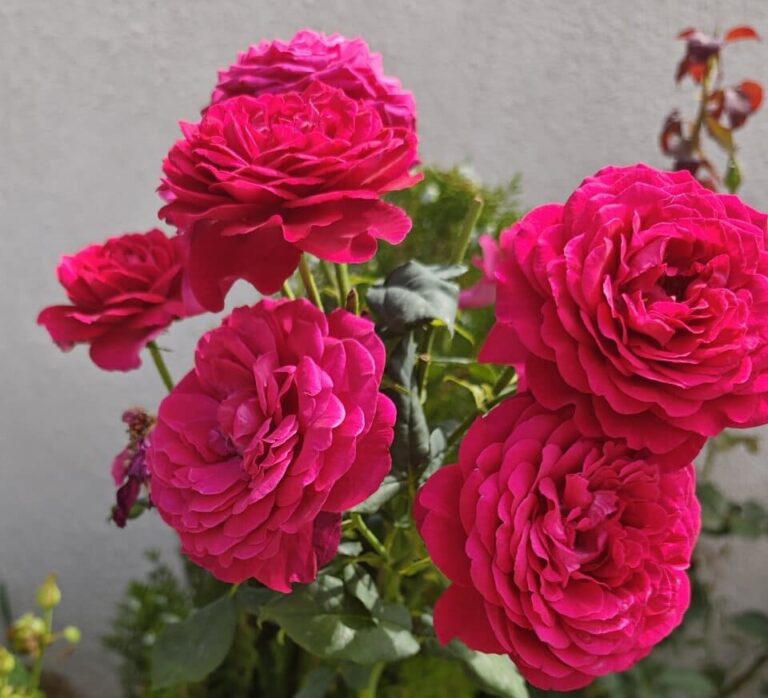
rose Johann Wolfgang von Goethe
DIY Organic Late-Season Feeds:
- Ash Infusion: Add 1 cup of wood ash to 5 liters of warm water, steep for 24 hours, strain, and then add water to the base. Potassium from ash strengthens cell walls and improves cold tolerance.
- Banana Peel Tea: Chop 3 banana peels, pour 1 liter of boiling water, let cool, and drink for a phosphorus boost.
Bonus Organic Recipe: Nettle Fermented Feed for Roses
Nettle is one of the best sulfur-, magnesium-, and nitrogen-rich plants. It works beautifully for leafy vegetables — and is also a powerhouse tonic for roses, boosting foliage color, pest resistance, and overall vitality.
You will need:
- 1 kg (2.2 lbs) chopped comfrey leaves before flowering (you can also mix with nettle leaves for extra nitrogen)
- 8 liters (2.1 gallons) warm rainwater
- 1 liter (1 quart) unsalted milk whey
Instructions:
- Combine chopped leaves, rainwater, and whey in a large bucket or barrel.
- Limit oxygen access by covering loosely (anaerobic fermentation works best here).
- Place in a sunny spot for 2 to 5 weeks. Stir occasionally.
- When the leaves turn into a soft paste and liquid is dark and aromatic, the ferment is ready.
- Strain out the solids — these can be composted or used as a mulch.
Application:
- Dilute the liquid 1:2 with water before use.
- Water at the base of your roses in the morning.
Nutrient content (approximate per liter):
- Nitrogen (N): 0.77 g
- Phosphorus (P): 0.09 g
- Potassium (K): 0.52 g
- Calcium (Ca): 0.46 g
- Also rich in calcium (8,250 mg/kg), sulfur, silicon, and trace minerals like iron, manganese, boron, and copper. This mineral spectrum strengthens plant cell walls, supports photosynthesis, and improves resistance to pests and disease.
2. Pruning: Energy Saving Mode
By August, you might notice spent blooms and faded petals. This is where deadheading comes into play. Removing old flowers encourages your roses to conserve energy and prepare for winter.
Action Steps:
Snip Away Spent Blooms: Use clean, sharp pruners to cut off dead flowers just above the first set of healthy leaves.
Clean Up Debris: To prevent disease, ensure the area around your roses is free from fallen petals and leaves.
Preparing for Dormancy
In September, it’s time to think about the dormancy period. This involves careful Pruning to ensure your roses enter winter in the best shape possible.
Action Steps:
Light Pruning Only: Avoid heavy Pruning. Instead, focus on removing dead, damaged, or diseased canes.
Reduce Height: Trim the canes to a manageable height to prevent wind damage during winter storms.
Avoiding New Growth in Late Summer
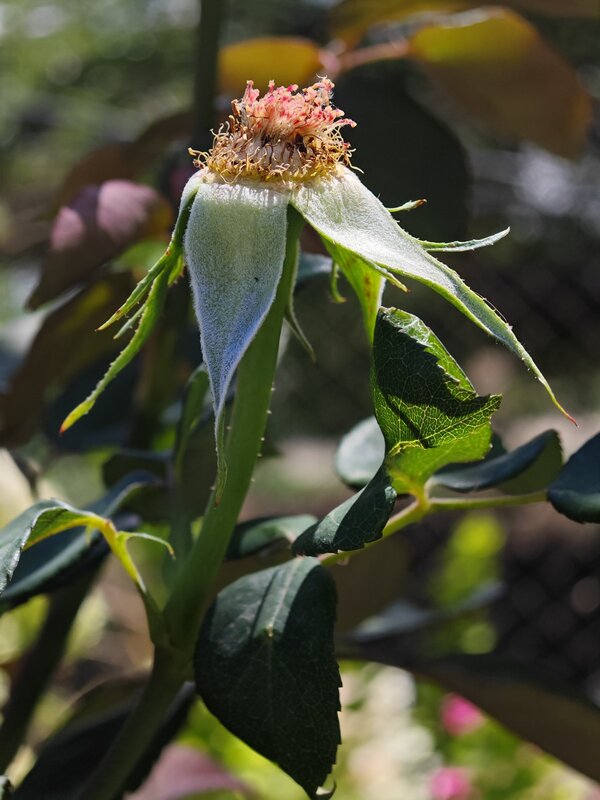
From late August, it is essential to prevent your roses from spending energy on new buds and seed maturation. This ensures the plants go into winter with woody shoots and accumulated strength. While some recommend pruning 10-15 cm, Pruning or even simple pinching of the tips can provoke the growth of side shoots (with new buds, if the weather allows). Remove the petals and seeds from faded buds without cutting the rose branches to avoid this. Perform the Pruning in the spring.
3. Pest & Disease Patrol
Even now, pests can weaken plants before dormancy. Weekly inspections are vital.
Key late-season threats & solutions:
- Whitefly: Spray with neem oil (5 ml per 1 liter of water + 3 drops of mild soap). Repeat every 7 days.
- Aphids: Introduce ladybugs or spray with insecticidal soap.
- Spider Mites: Hose undersides of leaves with a sharp water jet, then apply a miticide or a garlic-chili spray (blend 2 garlic cloves + 1 chili + 1 liter water, strain, and spray).
- Japanese Beetles: Hand-pick early in the morning and drop into soapy water. Place pheromone traps away from roses.
Curious about the pests that trouble roses — and how to stop them naturally? Discover my complete guide here
Boosting Immunity
Strengthening your roses’ natural defenses can go a long way in preventing problems during the colder months.
Action Steps:
Apply a Fungicide: In early September, consider applying a fungicide to prevent fungal diseases.
Water Wisely: Water at the base of the plant in the morning to reduce humidity around the foliage.
Rose gardening books


Explore rose gardening books and garden planner by Ann Devis. Get practical tips, organic techniques, and insights to create and maintain a stunning, thriving rose garden.

Pest Treatment in August
Whitefly
Simultaneously, carry out pest prevention. The most harmful pest for roses during this period is the Whitefly, which can strip roses of their leaves, negatively affecting their health and ability to overwinter. A contact-systemic action product is suitable for Whitefly. Treatments for diseases and pests can be combined.
Aphids
Aphids are tiny, sap-sucking insects that can cause significant damage to roses if left unchecked. They typically cluster on new growth, sucking the plant’s sap and excreting honeydew, which can lead to sooty mold.
- Action Steps:
- Spray with Insecticidal Soap: Use insecticidal soap or neem oil to spray affected areas, ensuring thorough coverage.
- Introduce Beneficial Insects: Release ladybugs or lacewings into your garden as natural predators of aphids.
Spider Mites
Spider mites thrive in hot, dry conditions and can cause leaves to become speckled and discolored. Severe infestations may lead to leaf drop.
- Action Steps:
- Hose Down Plants: Spray the undersides of leaves with a strong jet of water to dislodge mites.
- Apply Miticides: Use miticides specifically designed to target spider mites.
Japanese Beetles
Japanese beetles are notorious for their voracious appetite. They chew on leaves and flowers, which can leave your roses looking tattered.
- Action Steps:
- Hand-Pick Beetles: Remove beetles by hand in the early morning when they are less active and drop them into a bucket of soapy water.
- Use Traps Sparingly: Place traps away from rose bushes to lure beetles away from your plants.
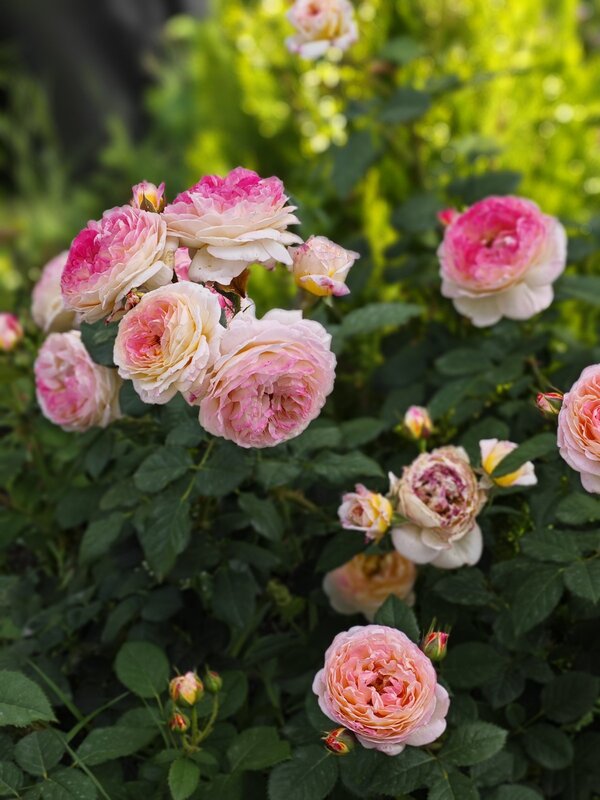
Rosoman Janon rose
4. Soil & Mulch Prep
Strong roses start with strong soil. Late summer is perfect for feeding the soil life that will nourish your plants come spring.
Steps:
- Spread 2–3 inches (5–7 cm) of organic mulch — compost, shredded leaves, or grass clippings — around the base (but not touching stems).
- Add a handful of bone meal for long-lasting phosphorus.
- Test pH — roses thrive at 6.3–6.5. Adjust with dolomitic lime (to raise) or elemental sulfur (to lower).
The Promise of Spring
Every careful cut, balanced feed, and pest check you make in August and September is an investment in next year’s blooms. Roses remember — the strength they store now will burst forth in abundant, healthy growth when the warm days return.
If you’d like a month-by-month care plan, organic recipes, and 100 proven solutions to common rose problems, explore my book Why Doesn’t My Rose Grow and Bloom? — the guide rose lovers return to season after season.
🌹 Rose Care Q&A
Lightly — only to remove diseased or broken wood and faded blooms. Save major pruning for spring.
Yes, but switch to low-nitrogen, high-potassium feeds to help wood harden before winter.
In late fall, after the ground cools, mound soil or compost around the base, then add mulch. Avoid covering too early to prevent rot.
Use neem oil, insecticidal soap, or garlic-chili spray. Encourage beneficial insects like ladybugs.
Yes — it insulates roots, preserves soil moisture, and supports healthy soil microbes.
Every thoughtful touch you give your roses in August and September is a whispered promise to spring that they will return, stronger, brighter, and more beautiful than ever.
Ann Devis


