
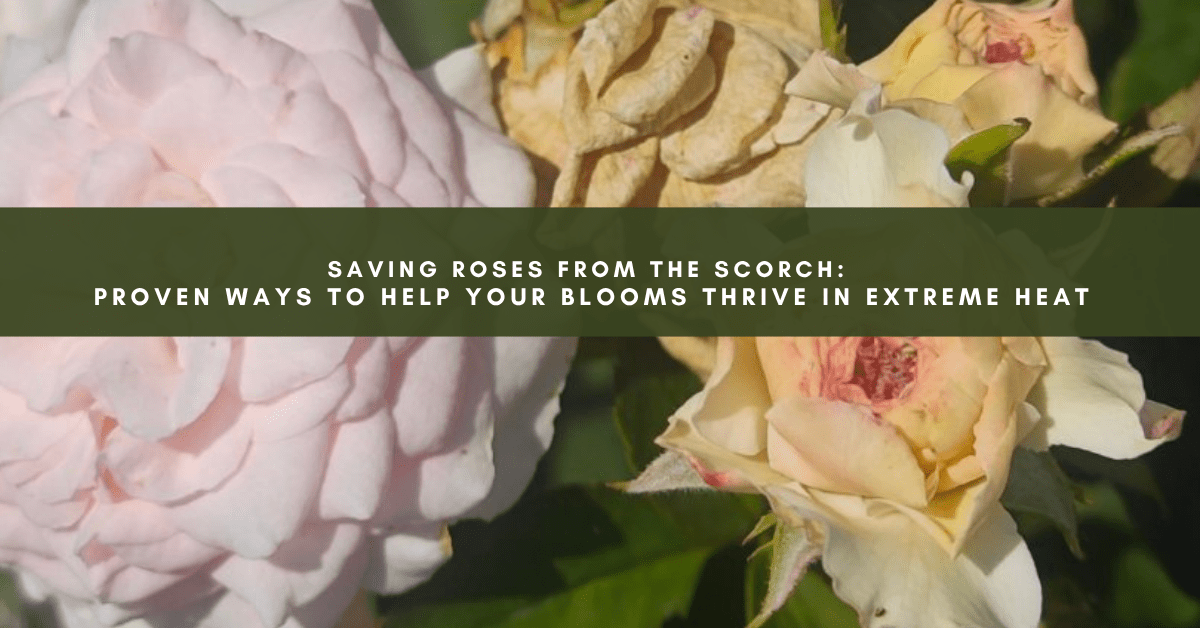
When the garden thermometer climbs past 90°F (32°C) and stays there for days on end, even the hardiest rose can begin to wilt under pressure. If your blooms are turning brown before they open, buds are getting crisp on the tips, or your bush looks tired no matter how much you water, you’re not alone. Roses experience heat stress just like we do, and they need a bit of help to survive and thrive through the hottest stretch of summer.
Let’s walk through how to recognize heat shock, protect your blooms from scorching, and give your roses the support they need to keep blooming beautifully, even during a heatwave.
What Does Heat Shock Look Like in Roses?
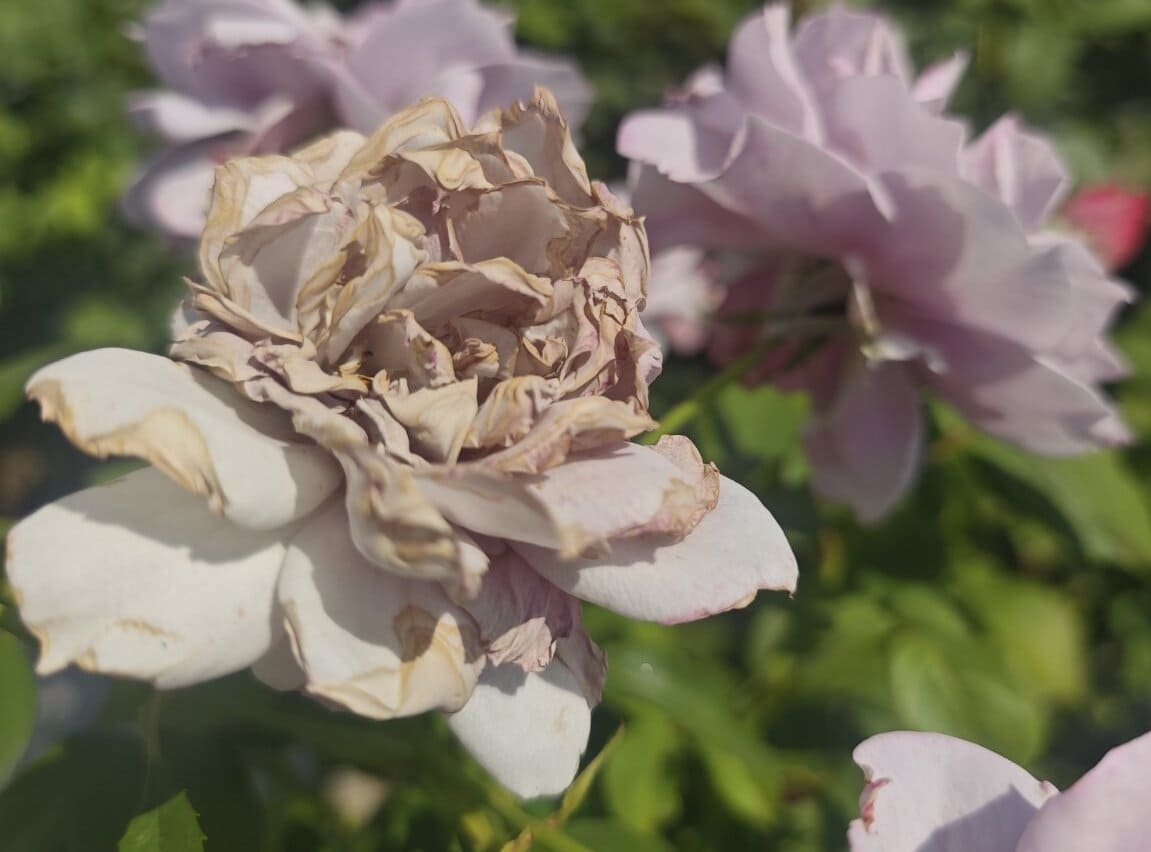
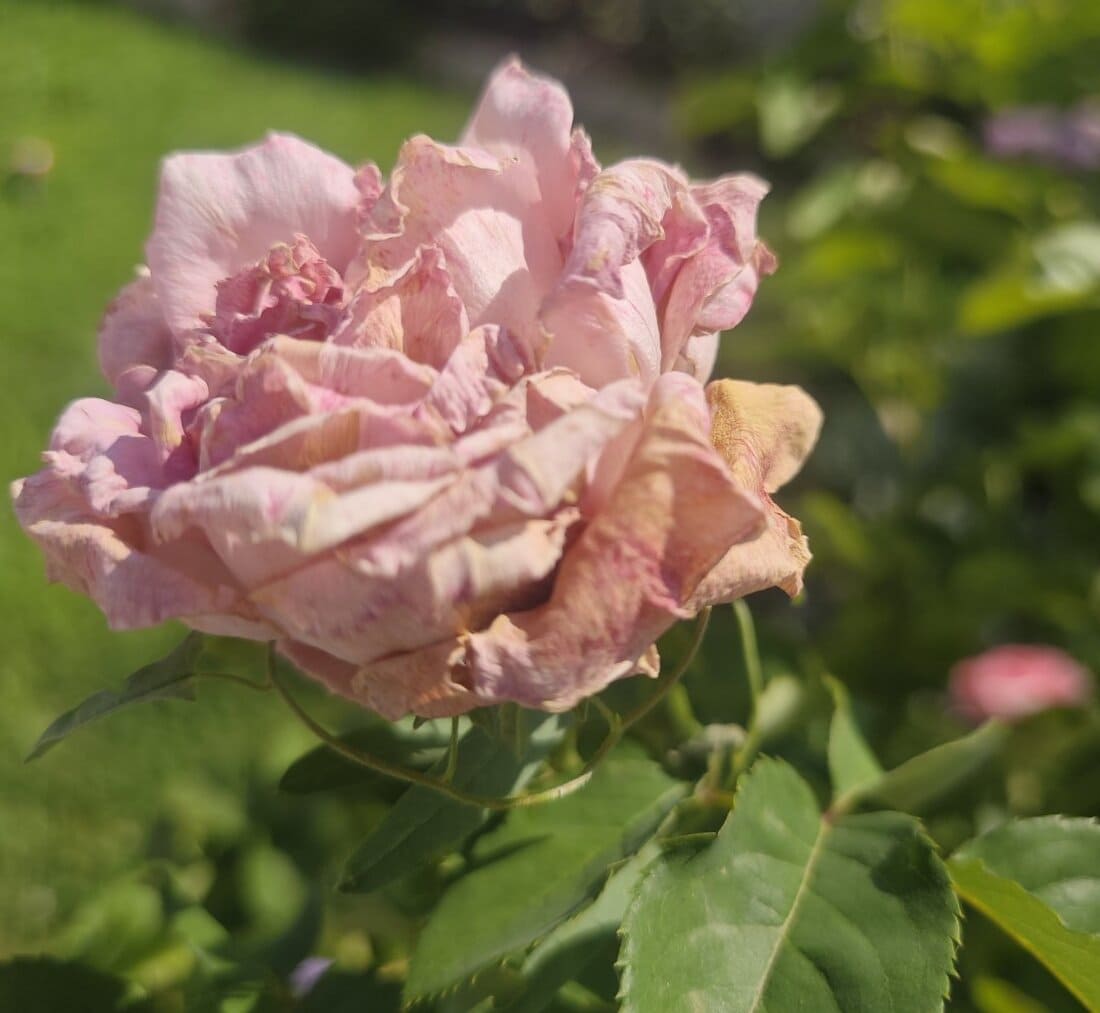
Heat shock in roses usually shows up in several clear signs:
- Buds that dry and fail to open (this is called bud sintering)
- Petals that look bleached, faded, or have brown edges
- Droopy or curled leaves, even if the soil is moist
- Rapid drying out of the topsoil, even after watering
- Sunburned canes with a bleached or cracked appearance on the exposed side
These are symptoms that your rose is losing more moisture through transpiration than it can replace — a stress response that can slow growth and halt blooming.
How to Water Roses During Extreme Heat
Let’s start with the most vital point: watering.
🌿 Morning is best. Water deeply in the early Morning before the sun is high. This gives the roots time to absorb moisture and helps the plant cope with daytime stress.
🌿 Soak, don’t sprinkle. Shallow watering evaporates fast and encourages surface roots. Instead, soak the soil to a depth of 6–8 inches. Drip systems or a slow-running hose for 15–20 minutes per plant work best.
🌿 Avoid wetting the foliage. Especially in the afternoon, wet leaves can magnify sun rays and lead to leaf burn.
🌿 Frequency tip: In containers or sandy soil, you may need to water daily. In well-mulched, rich beds, every 2–3 days may suffice — but check the soil before deciding.
How to Protect Roses from Sunburn and Sintered Buds
1. Provide Temporary Shade
On days above 95°F (35°C), even sun-loving roses can suffer. Use shade cloth, garden umbrellas, or even a white cotton sheet draped over hoops to diffuse the sunlight from midday to late afternoon.
Garden tips
Focus on shielding the west side of your rose bush, where afternoon sun hits hardest.
2. Mulch, Mulch, Mulch
A thick mulch layer acts like insulation for the soil.
✅ Use grass clippings, shredded leaves, straw, or composted bark
✅ Apply 2–3 inches thick, keeping it 2 inches away from the base of the plant
✅ Reduces evaporation, lowers soil temp, and keeps roots cool
3. Avoid Fertilizing in the Heat
Roses slow their growth under heat stress. Applying fertilizers during a heatwave can do more harm than good and may burn the roots. Pause feeding until temperatures drop below 85°F (29°C).
Emergency Help for Heat-Stressed Roses
If your rose is already showing signs of heat shock:
Hydration Boost (Foliar Mist)
Mix a solution of:
- 1 tsp seaweed extract (or kelp)
- 1 tsp humic acid or aloe vera juice
- 1 liter of cool water
Spray lightly on the underside of leaves early in the Morning or after sunset to reduce transpiration stress and support recovery.
DIY Rose Recovery Tonic
Root drench for heat-stressed plants:
- 1 Tbsp compost tea or worm casting extract
- 1 tsp molasses
- 1 liter of water
Apply once a week to restore microbial life and stimulate root activity.
Will My Rose Bloom Again After the Heat?
Yes — but only if you help it recover.
After a heatwave passes:
- Deadhead burnt or sintered buds to redirect energy
- Lightly prune back dry tips and damaged branches
- Resume gentle feeding with a balanced organic fertilizer (rose tone, banana peel extract, or diluted fish emulsion)
- Mulch again if the mulch has thinned out
Many roses will rebound in late summer or early fall with a beautiful flush, especially if they’re grown in well-prepared, biologically active soil.
Bonus Tip: Improve Air Circulation
In intense Heat, poor air flow around dense rose bushes worsens stress. Summer thinning — removing crossing stems and excess lower leaves — helps Heat dissipate more easily and reduces fungal pressure.
What NOT to Do During a Heatwave
❌ Don’t transplant or repot
❌ Don’t prune hard
❌ Don’t apply granular fertilizer
❌ Don’t forget to mulch
Want to dive deeper into summer rose care?
If you’re wondering how to give your roses the best support all season long, don’t miss these helpful guides:
💧 How to Water Roses in Summer — Learn when, how much, and the best methods to keep your roses hydrated during the hottest days.
🌱 Essential Summer Treatments for Roses — Explore natural sprays and protective care to keep your roses thriving in heat.
🍌 How to Feed Roses After the First Bloom — Discover what nutrients your roses need to re-bloom beautifully.
✂️ Summer Pruning Tips for Roses — Find out how strategic summer pruning improves air circulation and prevents disease.
Together, these guides form your go-to summer care toolkit for a happy, heat-resistant rose garden!
Rose gardening books

Step into a calmer, more confident rose season. With Ann Devis’s rose gardening books and planner, you’ll get simple organic routines, proven tips, and checklists that keep your roses thriving – from first bud to last bloom.

FAQ: How to Help Roses Survive Summer Heat
Protect roses by watering deeply in the early morning, applying 2–3 inches of organic mulch, and providing afternoon shade with cloth or garden umbrellas. Avoid fertilizing or pruning during heat waves.
This is called bud sintering, caused by extreme heat and dehydration. Improve soil moisture retention with mulch, water consistently, and shade the plant during the hottest part of the day.
Yes. Intense sun and high temperatures can cause petal burn—visible as brown edges or faded spots. Use light shading fabric or natural afternoon shade to prevent scorching.
Not always. Water deeply 2–3 times a week, depending on soil type and mulch use. In sandy soil or containers, daily watering may be needed. Always check soil moisture first.
No. Avoid fertilizing during extreme heat, as it can stress the plant further. Resume feeding once temperatures drop below 85°F (29°C).
Grass clippings, straw, shredded leaves, or composted bark are ideal. Apply 2–3 inches of mulch, keeping mulch 2 inches away from the base of the rose.
Avoid spraying during the day. Use a gentle foliar tonic (like diluted seaweed extract) only early in the morning or after sunset to avoid leaf burn.
Final Thoughts from My Garden Bench
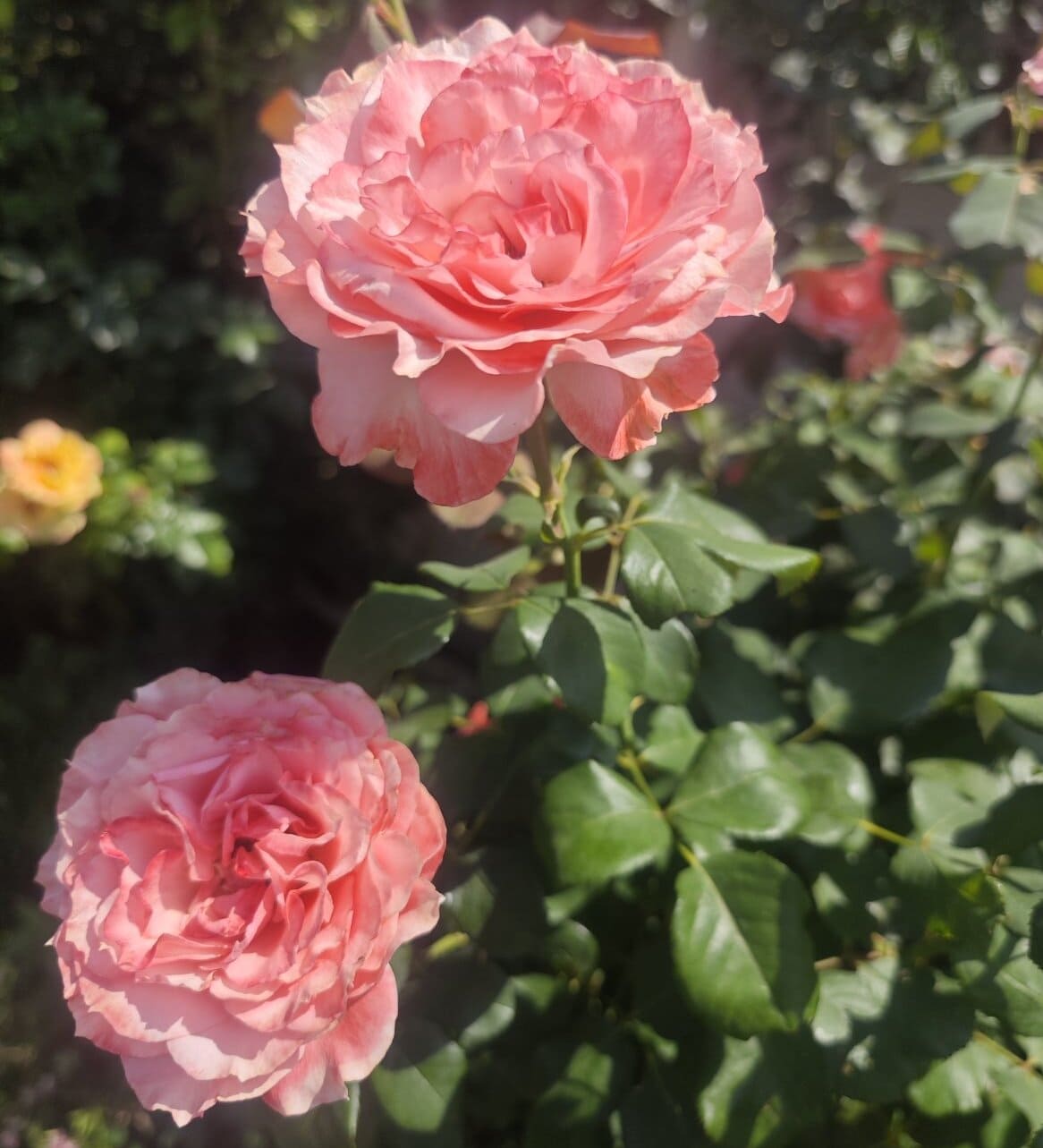
Roses are tougher than we give them credit for — but during extreme summer heat, even the strongest varieties appreciate a little shade, a good drink, and your gentle care. Think of it as tending a friend through a fever: soft cloth, cool drink, and a bit of rest.
With thoughtful support, your roses will bounce back from the Heat and reward you with that unforgettable late summer flush, bursting with gratitude and color.
Stay cool, water wisely, and keep growing beauty.


