Understanding Sawfly Damage

Why Are My Rose Stems Hollow? Sawflies work.

I still remember the morning I found it. A young, vigorous shoot on my favorite climber the one I’d been nurturing since March, had collapsed at midday. Not from the base, not from the tip, but from somewhere in the middle, as if an invisible hand had pinched the life out of it. I cut the stem open, and there it was: a narrow tunnel running through the pith, and inside, a pale, legless larva no larger than a grain of rice.
That was my introduction to the rose stem sawfly (Arge ochropus), and if you grow roses, especially in zones where spring arrives early and soft growth lingers, you’ve likely met it too. It’s one of the most cunning pests in the rose garden because by the time you see the damage, the real destruction has already happened inside the stem.

What Are Rose Stem Sawflies?
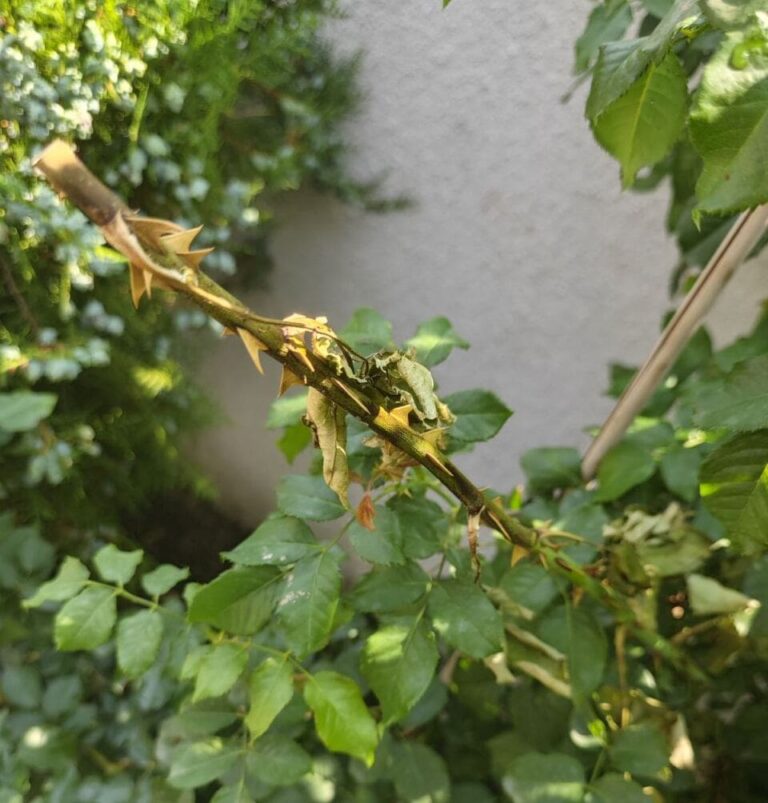
Despite the name, the rose stem sawfly isn’t a fly at all. It’s a sawfly — a primitive wasp in the order Hymenoptera. The adult is a compact, black insect with reddish-orange legs and antennae, about 7–10 mm long. It doesn’t sting. It doesn’t chew leaves. Its entire mission is to find soft, green rose canes and deposit eggs inside them using a saw-like ovipositor.
The larva that hatches tunnels downward through the pith, hollowing out the stem as it feeds. This severs the vascular connection between the roots and the upper cane. Water and nutrients stop flowing. The shoot wilts from a specific point — often mid-stem — while the lower portion remains green and apparently healthy. Break the stem at the wilt line, and you’ll find the telltale tunnel, sometimes with frass (larval excrement) packed inside.
In my garden in Georgia, the flight period runs from late May through June. The adults target the newest, most succulent growth — precisely the canes that carry your summer blooms. One larva can destroy a primary cane. Left unmanaged, a population can set back flowering by weeks.


Sawflies in rose garden

The Critical Window: Prevention vs. Cure
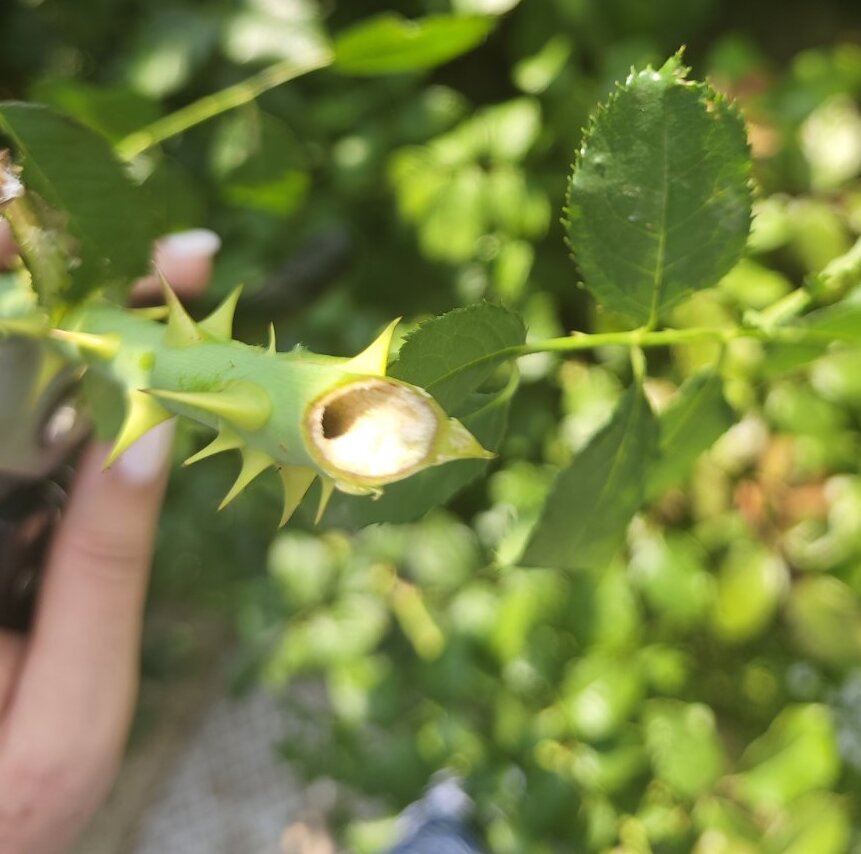
Here’s the hard truth that took me seasons to fully accept: once the larva is inside the stem, no spray reaches it. Not organic, not conventional. The cane is a sealed tube. The larva is protected. Your only option at that stage is to prune below the damage and destroy the cutting.
This means your entire strategy must shift to prevention during the adult flight period and reducing the overwintering population in the soil.
Sawflies in rose garden

Proven Organic Methods: What Actually Works in Real Gardens

1. Mechanical Removal — Your First and Most Reliable Line of Defense

I inspect my roses every morning during late May and June. Not a casual glance — I run my eyes along the newest 15–20 cm of each cane, looking for tiny, fresh puncture marks or slight swelling. If I find a suspect cane, I snap it at the suspected entry point. If there’s a tunnel or larva inside, I cut 5–10 cm below the damage, burn the cut, or seal it in a bag for the bin. Never compost infested canes. The larva can complete its development in compost.
This daily vigilance is tedious. It’s also the most effective single practice I know. In a small garden, five minutes of inspection saves the loss of a season’s growth on a prize cultivar.
 

2. Neem Oil — The Cornerstone of Organic Prevention

For the past four seasons, I’ve relied on cold-pressed neem oil as my primary protective spray. It doesn’t kill the adult sawfly on contact. Instead, it works through four mechanisms that make your roses inhospitable:
  • Olfactory disruption: Azadirachtin, the active compound, jams the chemoreceptors that the female sawfly uses to identify suitable oviposition sites. She simply stops “seeing” your rose as a target.
  • Antifeedant effect: If she does land, azadirachtin suppresses the feeding stimulus. She won’t bite into the cane to insert her eggs.
  • Growth regulation: Should eggs be deposited, azadirachtin absorbed by the plant tissues disrupts ecdysis (molting) in hatching larvae. They cannot develop past the first instar and die inside the egg or shortly after hatching.
  • Limited systemic action: While not truly systemic like synthetic insecticides, neem compounds do penetrate young tissues to a shallow degree, making the outer layers of soft canes internally unpalatable.

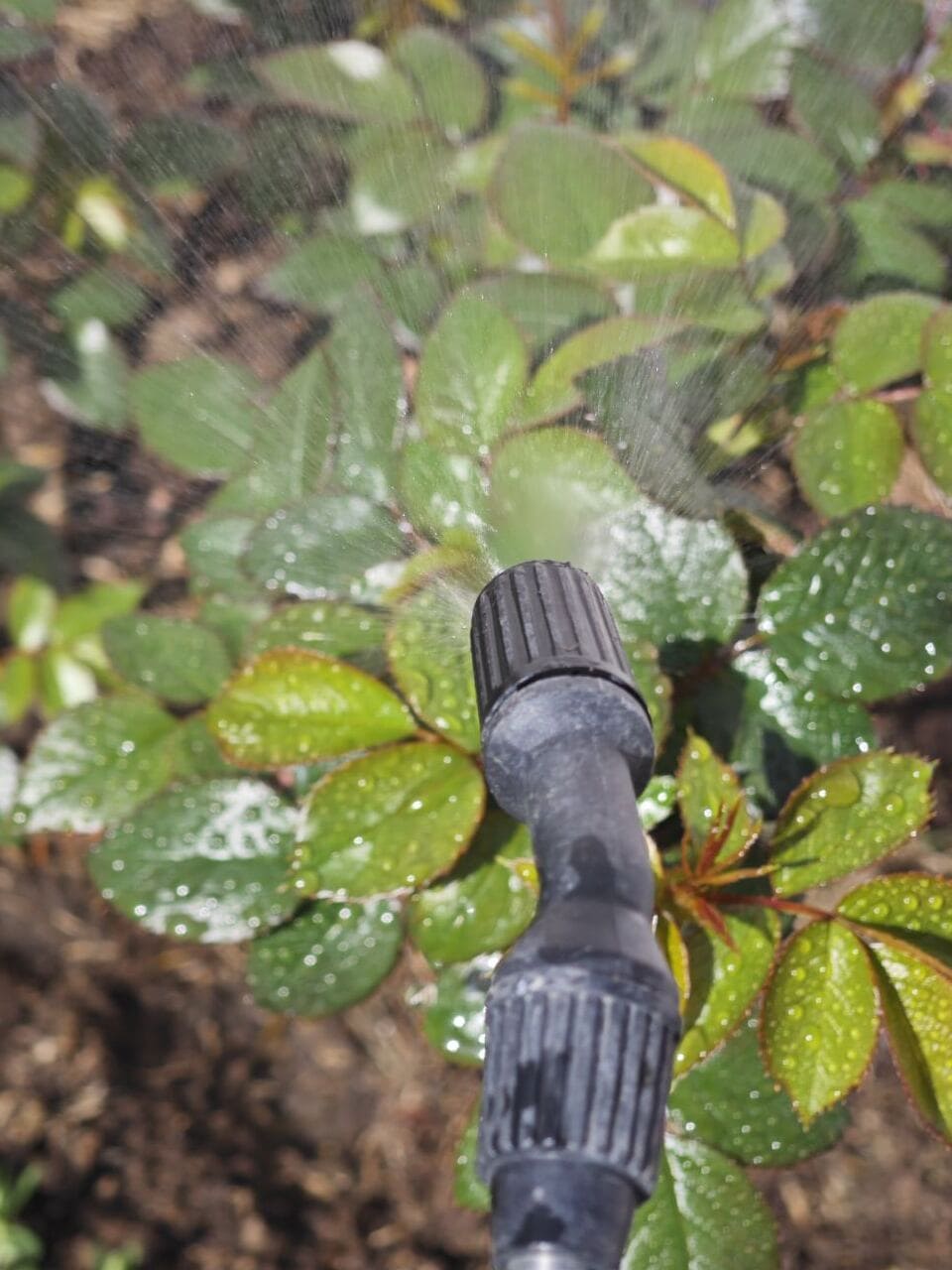
My formula: 25–30 ml cold-pressed neem oil per 10 liters of water, plus 1–2 ml liquid soap as an emulsifier. Without the soap, the oil separates and beads on leaves rather than forming a uniform film. I apply in the evening, when UV degradation is minimal and beneficial insects are less active. The spray must contact the young canes and undersides of leaves to be effective.
Schedule: First application in late May, before peak flight. Then every 7–10 days through June. Always reapply after rain — neem washes off readily, which is precisely why it’s safe for soil life but demands discipline in timing.

Important note:

Neem is not a knockdown insecticide. It requires 24–48 hours to manifest its full effect. If you expect instant dead insects, you’ll be disappointed. If you want a season without hollow stems, it delivers — provided you’re consistent.

3. Botanical Repellents — Field-Tested Alternatives

Before I settled on neem as my mainstay, I experimented with several plant-based repellents. These work, but with caveats:
Garlic infusion: Strongly repellent to adult sawflies. I used 100 g crushed garlic steeped in 1 liter of water for 24 hours, then strained and sprayed. The drawback? During bloom season, the smell is pervasive. I now reserve garlic for early spring applications on rootstocks and young plants not yet in flower.
Tobacco decoction: 40 g tobacco dust simmered in 1 liter of water for 10 minutes, cooled, strained. Effective but phytotoxic to tender foliage in hot weather. I no longer use it on roses in full sun during June.
Wormwood  infusion: 300 g fresh leaves in 1 liter water, steeped 3–5 days.  I plant wormwood as a border species and use the infusion as a supplemental spray between neem applications.
Horsetail decoction: Rich in silica, which strengthens plant tissues and creates a surface that insects avoid. I use it more for fortification than direct repellence.
 

4. Yellow Sticky Traps — Monitoring and Mass Trapping

I hang yellow sticky traps at cane height in late May. Sawflies are attracted to yellow — it’s a visual cue they associate with young, photosynthetic tissue. The traps serve two purposes: they reduce the local adult population slightly, and more importantly, they tell me when flight has begun. The first caught sawfly triggers my neem schedule. Without this signal, it’s easy to spray too early or too late.
 

5. Soil-Dwelling Biological Control — The Long Game

This is where patience pays off. The sawfly larva, after exhausting its canes, drops to the soil and spins a cocoon in the top 5–10 cm of earth. It overwinters there. This soil phase is vulnerable, if you can reach it.
Metarhizium anisopliae  an entomopathogenic fungus,  is my autumn and early spring soil treatment. I apply a wettable powder formulation as a soil drench around the root zone in October and again in March, when soil temperatures are above 10°C and moisture is adequate for fungal germination. The spores infect overwintering larvae, which die before they can pupate. This doesn’t help the current season’s canes, but it steadily reduces the reservoir of next year’s pests.

6. Cultural Practices That Reduce Vulnerability

  • Avoid excessive nitrogen in late spring: Soft, sappy growth is irresistible to ovipositing females. I hold back on nitrogen feeds after mid-May and rely on potassium and micronutrients to harden tissues.
  • Promote air circulation: Dense, shaded canopies stay softer longer. I prune for openness, which also speeds lignification (hardening) of new wood, making canes more resistant to penetration.
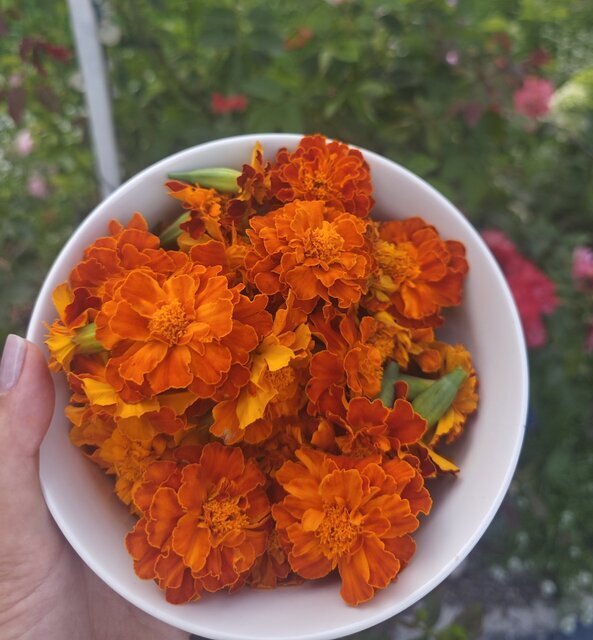
  • Companion planting: I interplant with marigolds (Tagetes), garlic, and chives along rose borders. The volatile compounds create olfactory confusion that may reduce landing rates, though I consider this supplemental, not primary, protection.
  • Soil cultivation in autumn: Gently turning the top 5 cm of soil around bushes in October exposes cocoons to predation by birds and ground beetles, and to winter frost damage.

Encouraging Natural Predators

Natural predators are incredibly effective at managing sawfly populations. By attracting these beneficial creatures to your garden, you can naturally keep sawfly numbers under control. Some of the most helpful natural predators include:

  • Birds: Various bird species consume sawfly larvae, including chickadees and sparrows.
  • Parasitic Wasps: These wasps lay their eggs inside or on sawfly larvae, which kills the larvae.
  • Predatory Beetles: Beetles, such as ground beetles, actively hunt and eat sawfly larvae.
  • Lacewings and Hoverflies: The larvae of these insects feed on sawfly larvae and other garden pests.

Plant various flowering plants and provide water sources to encourage these natural predators. This will help create a balanced ecosystem in your garden.

Targeted Organic Sprays

Using DIY treatments helps fight the larvae while preserving beneficial insects. Below are two highly effective recipes:

Thuja Needle Decoction (Against Mites and Larvae)

Ingredients:

  • 100 g fresh thuja needles (finely chopped)
  • 2 liters of water

Instructions:

Bring the water and needles to a boil and simmer on low for 10–15 minutes. Let it cool and steep for 12 hours. Strain and dilute the concentrated infusion at a 1:5 ratio (1 part decoction to 5 parts water). For better leaf adherence, add 1 tsp of liquid laundry soap per liter of the final solution.

How to Use:

Spray under rose leaves in the evening. Repeat every 5–7 days until pests are eliminated.

⚠ Important:

Always test the spray on one bush first. Wait 24 hours to ensure no leaf burn occurs, especially in hot weather.

Marigold Infusion (Aphid, Thrips & Ant Deterrent)

Ingredients:

  • 200–300 g marigold flowers and leaves (fresh or dried)
  • 1 liter of boiling water

Instructions:

Steep for 24–48 hours, strain, and dilute 1:5 with water.

Application:

Spray roses every 7–10 days during active pest periods. Marigold aroma repels aphids and thrips, and also deters ants, reducing the spread of sap-sucking pests.
Rose‑Stem Sawflies and Natural Remedies

Bonus for Rose Lovers:


Want to strengthen your organic rose care toolbox?
Download our FREE guide with 5 effective conifer-based spray recipes featuring thuja, pine, spruce, cedar, and juniper infusions. Ideal for natural pest and disease protection. Your rose garden will thank you!

Living Plant Protection: Companion Planting with Marigolds

Marigolds (Tagetes) are not just pretty—they’re warriors in the rose garden. When planted along the edges or between rose bushes, they release essential oils, such as alpha-terthienyl, which repel aphids, thrips, and sawflies. Their roots also help reduce root-knot nematodes in the soil, and their blossoms attract lacewings, ladybugs, and hoverflies that feast on garden pests.

For maximum effect:

  • Plant them densely along rose borders
  • Use dried marigolds as mulch to enhance soil protection
  • Pair with nasturtiums and dill to boost beneficial insect activ

What I No Longer Do

I’ve abandoned pyrethrin-based sprays for sawflies. They kill adults on contact but have no residual effect, meaning you must spray every 3–4 days to intercept new arrivals. The collateral damage to pollinators and predatory wasps in a rose garden during bloom is unacceptable. Neem, applied in the evenings on a 7–10 day cycle, provides comparable protection with far less ecological disruption.
 

A Seasonal Calendar That Works

March: Soil drench with Metarhizium  to target overwintering larvae. Begin inspecting new growth daily.
Late May: Hang yellow traps. First neem application (evening, 25–30 ml per 10 L + soap).
June: Continue neem every 7–10 days. Inspect canes every morning. Remove and destroy any infested shoots immediately. Reapply neem after rain.
July: As new growth hardens and flight ends, reduce to monthly neem for general pest management.
August–September: Remove any late-season infested canes before larvae reach the soil.
October: Second soil drench with entomopathogenic fungi. Light soil cultivation around bushes.
 
The rose stem sawfly taught me a difficult lesson: in organic gardening, you cannot always rescue what is already lost. You must anticipate, observe, and intervene before the damage becomes visible. The wilted cane is not the beginning of the problem, it’s the end of a process that started weeks earlier with a single egg.
But this vigilance is also what makes organic rose growing deeply satisfying. When you hold a clean, solid cane in autumn, one that survived the sawfly season because you protected it in June, you know exactly why it lived. Not because of a chemical shield, but because of your attention, your timing, and your understanding of the pest’s life.

Want to Go Deeper? My Books on Organic Rose Care

This article covers one pest, one season, one strategy. But a rose garden is a year-long conversation with hundreds of variables — soil, climate, pruning timing, nutrient cycles, and the quiet biology happening beneath every leaf.
If you’re building a rose garden that thrives without chemicals, I’ve written two guides that compile everything I’ve learned across years of growing in Georgia’s challenging climate and advising gardeners worldwide.
The Rose Garden Planner — A season-by-season workbook for organic rose growers. Weekly checklists, feeding schedules, pruning calendars, and pest prevention timelines (including the complete sawfly protocol from this article, integrated into the June chapter). Designed for gardeners who want structure without rigidity.
Revolution in the rose garden — The deeper reference. Soil microbiology, beneficial fungi, biostimulant protocols, and the science behind every organic method I use. Written for gardeners who want to understand why something works, not just what to do.
Both are available on Amazon. I don’t mention this often in my articles — I’d rather you take the free advice and run with it. But if you want the full system behind these scattered pieces, the books are where it lives.

Rose gardening books

Step into a calmer, more confident rose season. With Ann Devis’s rose gardening books and planner, you’ll get simple organic routines, proven tips, and checklists that keep your roses thriving – from first bud to last bloom.

FAQ: Common Questions About Hollow Rose Stems & Sawfly Control

Cane borers (like the rose stem girdler) typically enter near the base of the cane and you can see a small hole with sawdust-like frass. Sawfly damage appears mid-stem or higher — the top portion wilts while the bottom stays green. Cut the stem at the wilt line: sawfly leaves a clean, narrow tunnel through the pith, often with a pale larva inside. Cane borer tunnels are wider and messier. If the wilt starts from the very tip and works down, suspect dieback disease rather than a pest.
No. Once the larva is tunneling through the pith, no spray — organic or chemical — can reach it. The stem is a sealed tube. Your only option is to cut 5–10 cm below the entry point and destroy the cutting (burn it or seal in a bag for trash). Never compost it — the larva can complete development in compost and return to your garden.
It works, but not the way most people expect. Neem doesn’t kill adult sawflies on contact. It makes your rose unrecognizable to them. Azadirachtin blocks the female’s chemoreceptors — she stops “seeing” your cane as a place to lay eggs. It also suppresses her urge to bite into the stem, and if eggs do get deposited, the hatching larvae fail to molt and die. The catch: it needs 24–48 hours to take effect, must cover the vulnerable tissues, and washes off in rain. Consistency matters more than concentration.
Every 7–10 days during the flight period (late May through June in most temperate zones), and always after rain. Neem has no residual effect once washed off. One missed window after a downpour can be all a female needs. I mark it on my calendar like a feeding schedule — because it is one.
es, but each has trade-offs. Wormwood (Artemisia) infusion repels many Hymenoptera and grows well as a border plant. Horsetail decoction strengthens tissues with silica, making canes less penetrable. Marigolds interplanted along borders create olfactory confusion. None match neem’s four-mechanism protection, but they work as supplements. I use wormwood between neem applications and plant garlic chives (milder than bulb garlic) for passive border protection.
Parasitic wasps and predatory beetles do attack sawfly larvae, but there’s a timing problem. The adult sawfly is active for only a few weeks in late spring. By the time parasitoid populations build up in response, most of the egg-laying is done. Beneficials help with the leaf-feeding sawfly species (whose larvae are exposed on foliage), but the stem sawfly’s larva is hidden inside the cane — inaccessible to predators. Relying solely on beneficial insects for this pest is risky. Use them as part of the strategy, not the whole strategy.
Repotting container roses into fresh soil can reduce the overwintering population, since larvae pupate in the top 5–10 cm of soil. For in-ground plantings, that’s impractical. Instead, I apply entomopathogenic fungi (Metarhizium anisopliae ) as a soil drench in October and March. These fungi infect overwintering larvae without harming earthworms or soil life. It’s the organic equivalent of “cleaning” the soil biologically.
Several factors. First, timing of soft growth: roses that push late, succulent canes during peak flight (late May–June) are most vulnerable. Second, cultivar differences: some roses lignify (harden) their new wood faster than others. Third, microclimate: dense, shaded, humid canopies stay soft longer. Fourth, nitrogen levels: overfed roses with sappy growth are magnets. I track which cultivars get hit and either adjust their pruning timing or give them extra neem attention.
Remove all infested canes immediately to prevent larvae from dropping to soil and pupating. Then assess: if your roses are still producing soft growth (some remontant varieties do), a late flight is possible — continue neem through July. If growth has hardened, the risk drops. Mark your calendar for next spring and start the prevention cycle earlier. One season of missed prevention usually means a higher population the following year.
Unfortunately, yes. Sawflies fly and can travel several hundred meters. If your neighbor has untreated, infested roses, you’re protecting against a larger reservoir. There’s no diplomatic solution to this except maintaining your own rigorous prevention. In high-pressure situations, I increase neem frequency to every 5–7 days and add yellow traps to monitor influx.
Likely yes. Mature larvae exit the stem and drop to the soil to pupate. An empty tunnel with frass (brown, granular excrement) means the damage is done and the next generation is heading underground. Remove the cane anyway — it won’t recover — and consider a soil treatment to target the pupating larva.
Some gardeners report success with tea tree oil, but the research is sparse and concentrations are critical — too strong and you burn foliage, too weak and it’s ineffective. Neem has decades of study, known active compounds (azadirachtin), and established application rates. I don’t experiment with unproven alternatives on my prize roses during peak flight. If you want to test essential oils, do it on a single bush first, and not during the critical prevention window.
Unlikely, but they can severely set it back. One larva destroys one cane. Ten larvae on a young bush can remove most of the season’s flowering wood. Established shrubs usually survive and resprout. The real danger is cumulative: repeated infestations weaken the plant, delay blooming, and create entry points for other pests and diseases. Prevention protects not just this season’s flowers, but the plant’s long-term vigor.

Leave a Comment

Sign In

Register

Reset Password

Please enter your username or email address, you will receive a link to create a new password via email.

Scroll to Top