Timeless climbers that bring height, fragrance, and romance — tested in real gardens.
Climbing roses are not just plants.
They shape garden spaces, soften walls, frame entrances, and turn ordinary structures into something unforgettable.
I can’t imagine my garden without them — and after years of growing, observing, and sometimes struggling with climbers, I’ve learned one important thing:
Choosing the right climbing rose makes all the difference.
Some grow fast but bloom once.
Others bloom beautifully — but struggle with disease.
And a few… become living architecture in the garden.
In this guide, I share 10 climbing roses I truly trust – varieties that have proven themselves in gardens around the world, across different climates and USDA zones.
In this article, you’ll find:
The best climbing roses for fast coverage
Fragrant climbers that bloom repeatedly
Thornless and family-friendly varieties
Roses for hot and challenging climates
Personal notes from my own garden
If you’re planning an arbor, pergola, fence, or garden wall, this list will help you choose with confidence.
The Best Climbing Roses at a Glance
| Climbing Rose | Color | Fragrance | Height | USDA Zones | Best Use |
|---|---|---|---|---|---|
| New Dawn | Blush pink | Light | Up to 20 ft | 5–9 | Fast coverage, large structures |
| Zephirine Drouhin | Deep pink | Strong | 10–15 ft | 5–9 | Thornless, family gardens |
| Golden Showers | Yellow | Light | 10–12 ft | 5–9 | Partial shade, garden walls |
| Climbing Iceberg | White | Light | 10–15 ft | 5–9 | Arches, pergolas, contrast |
| Don Juan | Deep red | Strong | 10–15 ft | 5–9 | Fragrance, romantic gardens |
| Climbing Peace | Pink & cream | Light | 12–15 ft | 5–9 | Classic, statement climber |
| Golden Gate | Yellow | Citrus | 10–12 ft | 5–9 | Entrances, modern gardens |
| Eden (Pierre de Ronsard) | Cream & pink | Light | 6–10 ft | 5–9 | Romantic focal points |
| Polka | Apricot | Light | 8–12 ft | 5–9 | Pergolas, warm tones |
| Candy Land | Pink & white | Apple | 10–15 ft | 5–9 | Bold color, disease resistant |
| Joseph’s Coat | Red, orange & yellow | Light | 8–12 ft | 5–9 | Colorful displays, fences, trellises |
Use this table as a quick guide, then scroll down for detailed descriptions, growing tips, and design ideas for each rose.
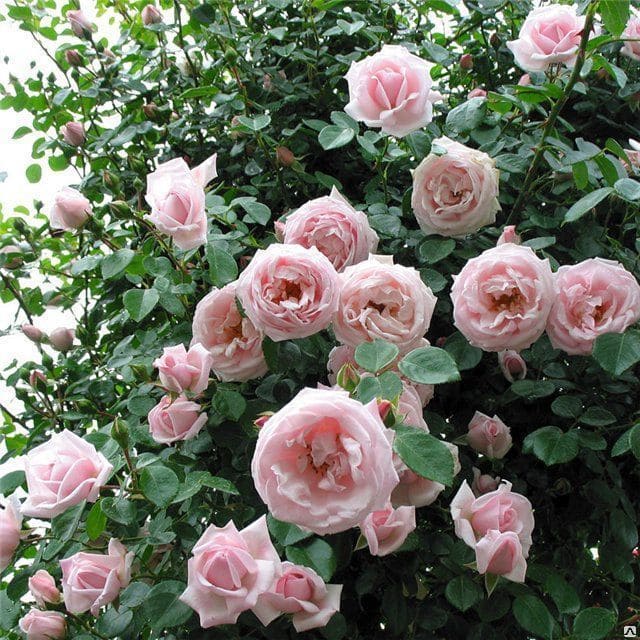
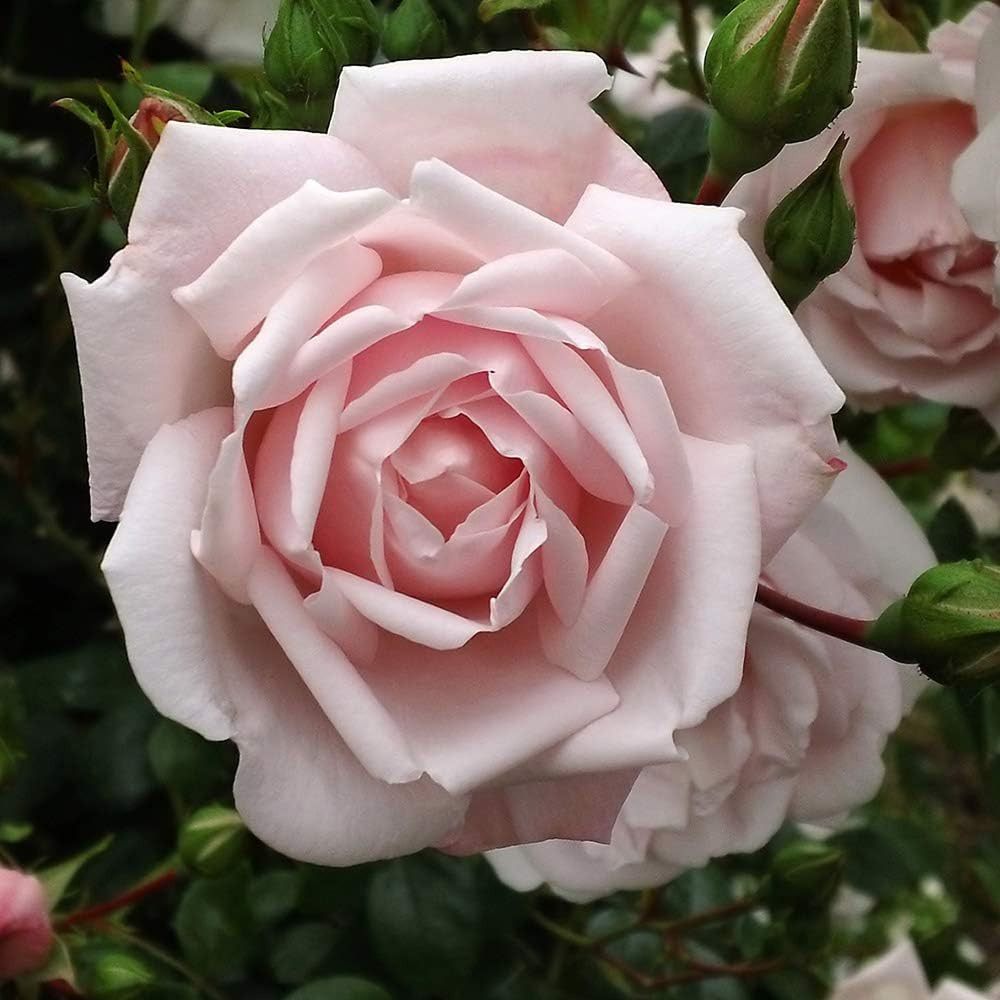
New Dawn — The Fastest Growing Climbing Rose
Soft blush blooms and unstoppable vigor
Introduced: 1930, USA
Height: Up to 20 ft
USDA Zones: 5–9
New Dawn holds a special place in rose history — it was the first patented rose in the world. Discovered as a natural sport of Dr. W. Van Fleet, it quickly became a garden classic and remains one of the most widely grown climbing roses today.
Why gardeners love it:
Soft blush-pink flowers that repeat throughout the season
Exceptionally fast growth, making it ideal for quick coverage
Reliable performance on fences, pergolas, sheds, and garden arches
Garden note:
Often chosen by gardeners who want fast vertical impact without complicated care. When given space and support, New Dawn can transform a structure within just a few seasons.
👉 Best for: fast coverage, beginners, large structures
👉 Ann's note:
I once planted this near my garden arch, and by the second year, it was like a pink waterfall!
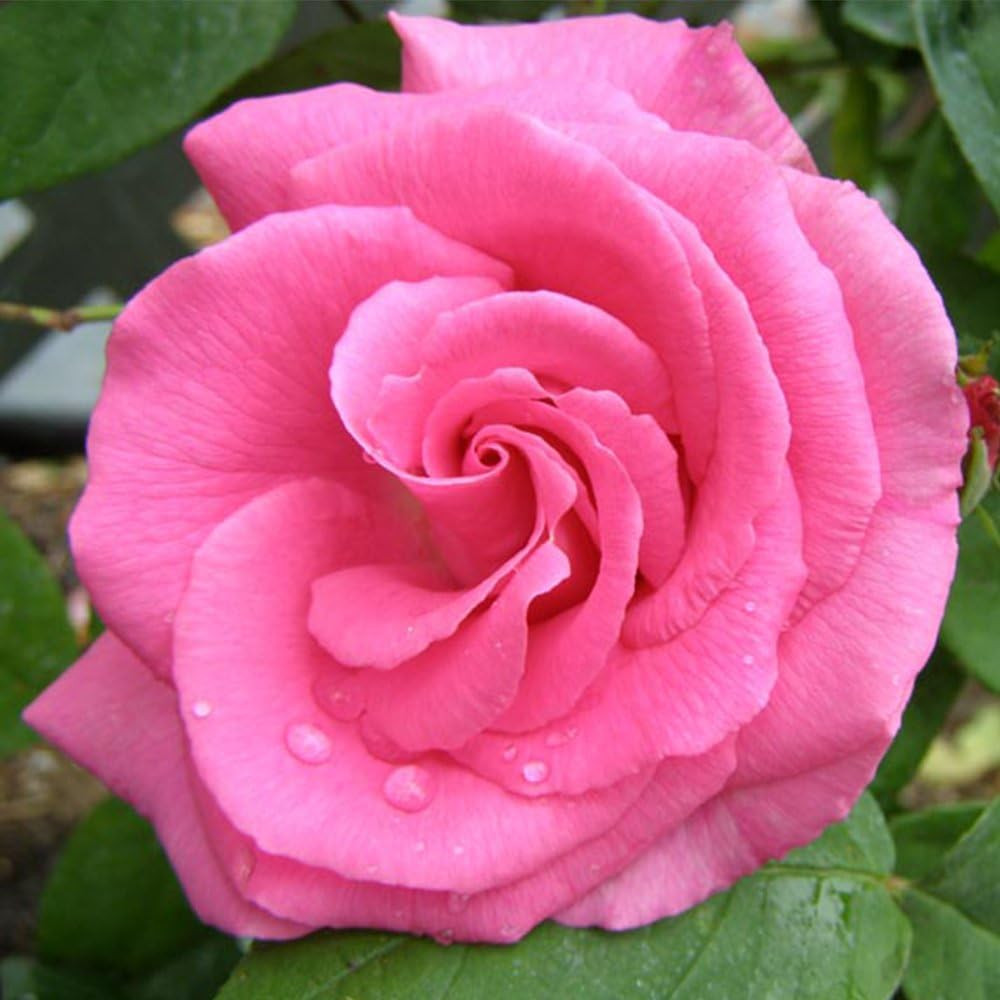
Zephirine Drouhin — The Thornless, Long-Blooming Climber
Old-fashioned charm with modern convenience
Introduced: 1868, France
Height: 10–15 ft
USDA Zones: 5–9
Zephirine Drouhin is famous for one rare feature — completely thornless canes. Combined with its strong fragrance and long flowering season, it has remained a favorite for over 150 years.
Why gardeners love it:
Completely thornless growth
Deep cherry-pink blooms with a rich scent
Long flowering period from spring to fall
Garden note:
Commonly planted along paths, fences, and entrances where close contact is expected.
👉 Best for: family gardens, walkways, fragrant displays
👉 Ann's note:
Train it along a fence by your front path—everyone will want to touch and sniff it.
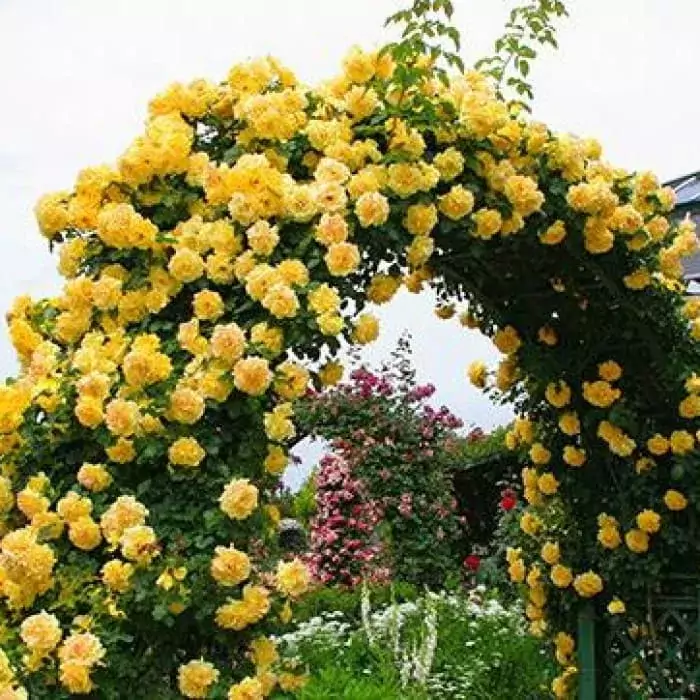
Bright yellow blooms for lighter and darker garden spots
Introduced: 1956, USA
Height: 10–12 ft
USDA Zones: 5–9
Golden Showers brings warmth and brightness to the garden with cheerful yellow flowers that soften to cream as they age. It is also known for handling partial shade better than many climbers.
Why gardeners love it:
Clear yellow blooms that brighten shady areas
Reliable repeat flowering
Tolerates light shade and variable weather
Garden note:
Often used to brighten north-facing walls or soften darker garden corners.
👉 Best for: partial shade, walls, mixed garden light
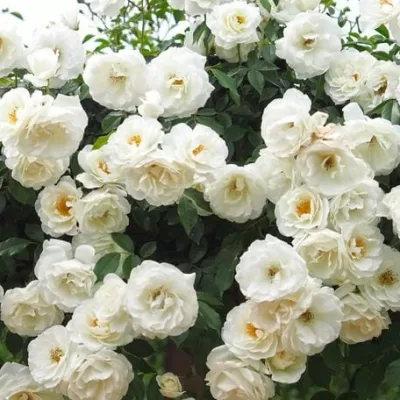
Climbing Iceberg — The Garden Cloud
Pure white abundance with exceptional health
Introduced: 1968, UK
Height: 10–15 ft
USDA Zones: 5–9
Climbing Iceberg is celebrated for its huge clusters of pure white flowers and excellent disease resistance. It creates a soft, elegant look that fits both classic and modern gardens.
Why gardeners love it:
Masses of white blooms throughout the season
Strong disease resistance
Consistent, vigorous performance
Garden note:
White flowers stand out beautifully against dark backgrounds like brick, wood, or evergreen foliage.
👉 Best for: arches, pergolas, high-contrast plantings
👉 Ann's note:
Plant it near something dark—brick, dark green paint, or ivy—those white blooms will pop like stardust.
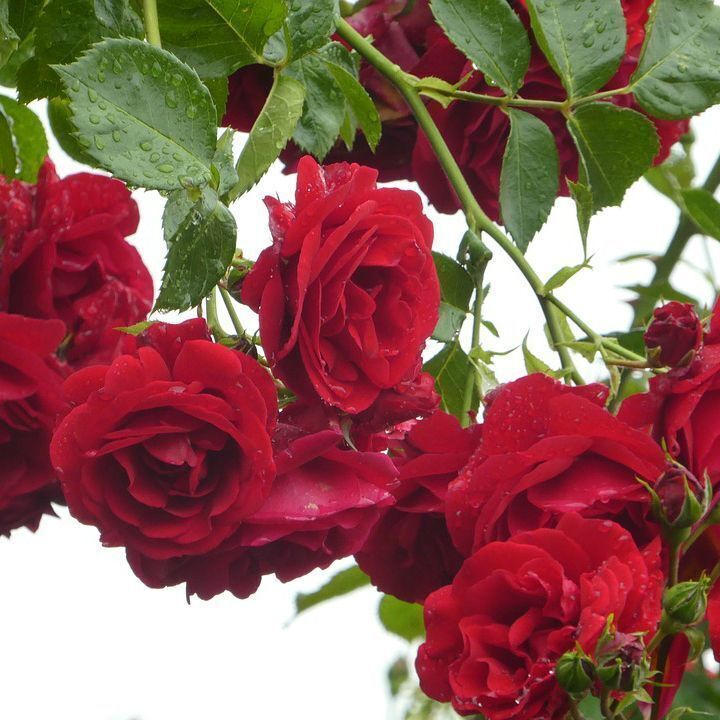
👉 My favorite way to grow it? Over an arbor. Just wait till evening light hits those petals…
Don Juan — The Most Fragrant Red Climbing Rose
Velvety blooms with unforgettable scent
Introduced: 1958, Italy
Height: 10–15 ft
USDA Zones: 5–9
Don Juan is known for its large, deep red flowers and intense fragrance. It combines classic romance with reliable garden performance.
Why gardeners love it:
Large, velvety red blooms
Strong, sweet fragrance
Good winter hardiness
Garden note:
Often planted near seating areas or quiet corners where fragrance can be fully enjoyed.
👉 Best for: fragrance lovers, romantic garden spaces
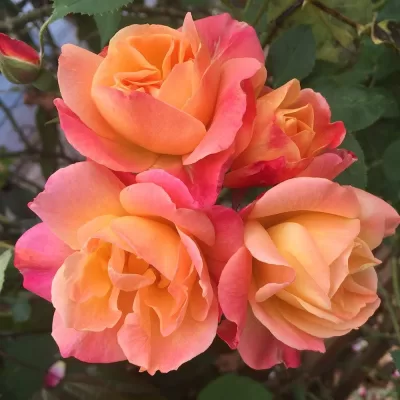
Joseph’s Coat — A Color-Changing Climbing Rose
A lively blend of red, orange, and yellow on one plant
Introduced: 1963, USA
Breeder: Herbert C. Swim & O.L. Weeks
Height: 8–12 ft
USDA Zones: 5–9
Joseph’s Coat is best known for its dramatic color transformation. Blooms often open in shades of yellow or gold, then shift through orange to deep red as they mature — sometimes all colors appear on the plant at once.
This variety is considered a climbing floribunda rather than a traditional large-flowered climber, which explains its abundant clusters and long flowering season.
Why gardeners love it:
Multicolored blooms that change with age and temperature
Continuous flowering from late spring through fall
Strong visual impact even from a distance
More compact and manageable than many classic climbers
Flower characteristics:
Semi-double to double blooms
Medium size, produced in clusters
Mild fragrance
Growth and performance:
Vigorous but not overwhelming growth
Flexible canes suitable for training
Performs well on fences, trellises, and smaller pergolas
Garden note:
Joseph’s Coat is often chosen for gardeners who want maximum color without relying on a single shade. The shifting tones make it especially effective in informal or playful garden designs.
👉 Best for: colorful displays, fences and trellises, gardeners who enjoy changing color effects
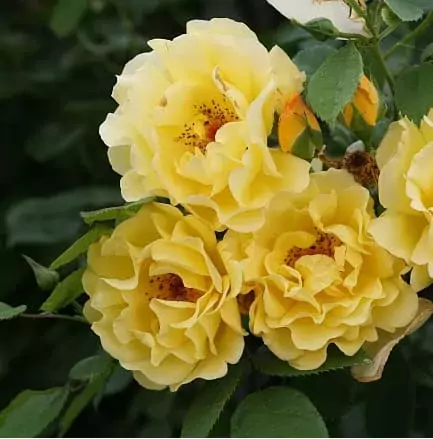
Golden Gate — A Citrus-Scented Climber
Bright color with modern vigor
Introduced: 2005, Germany
Height: 10–12 ft
USDA Zones: 5–9
Golden Gate offers clusters of yellow flowers with a noticeable citrus fragrance and strong disease resistance, making it a reliable modern choice.
Why gardeners love it:
Fruity citrus scent
Healthy, vigorous growth
Consistent flowering
Garden note:
Frequently used to frame entrances or gateways where scent and color create a welcoming effect.
👉 Best for: entrances, modern gardens
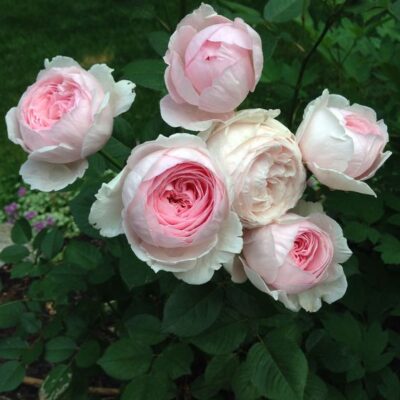
👉 Ann’s hint: Best for warm, dry climates. Keep the airflow reasonable to avoid mildew.
Eden (Pierre de Ronsard) — The Fairytale Rose
Romantic blooms inspired by old paintings
Introduced: 1985, France
Height: 6–10 ft
USDA Zones: 5–9
Eden is instantly recognizable for its large, nostalgic blooms — creamy centers edged with soft pink. It is one of the most photographed climbing roses in the world.
Why gardeners love it:
Heavy, old-fashioned blooms
Romantic color palette
Strong visual impact
Garden note:
Performs best with good air circulation, especially in warm or humid climates.
👉 Best for: romantic gardens, focal points
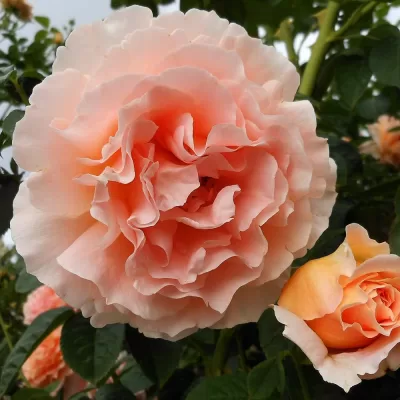
Polka — A Luminous Apricot Climber
Soft color with repeated flushes
Introduced: 1992, France
Height: 8–12 ft
USDA Zones: 5–9
Polka is admired for its apricot-toned blooms with ruffled petals and graceful form. It repeats flowering in flushes through the season.
Why gardeners love it:
Warm apricot and peach tones
Ruffled, elegant petals
Reliable repeat blooming
Garden note:
Often used on pergolas where light enhances its delicate coloring.
👉 Best for: pergolas, warm color palettes
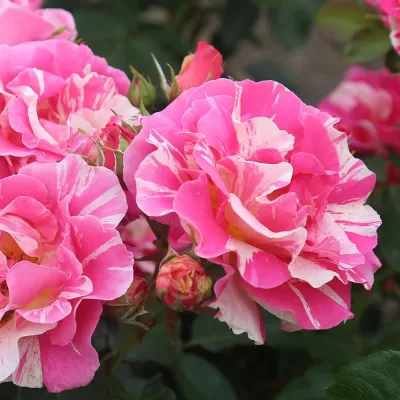
Candy Land — A Playful, Disease-Resistant Climber
Bold stripes and excellent health
Introduced: 2006, USA
Height: 10–15 ft
USDA Zones: 5–9
Candy Land brings a playful mood to the garden with bright pink blooms striped with creamy white. It is also valued for its strong disease resistance.
Why gardeners love it:
Unique striped flowers
Apple-scented blooms
Excellent disease resistance
Garden note:
Often chosen as a conversation piece near patios and outdoor living areas.
👉 Best for: modern gardens, bold color lovers
Every climbing rose tells a story. Some whisper of old France, others of American landscapes, and some make us feel happy inside. Whatever your dream garden looks like—romantic, playful, or classic, there’s a climber that will fit like a glove.
Which one do you see in your garden?
FAQs
Still choosing? These are the questions gardeners ask me most often about climbing roses.
Consider:
- Climate & USDA Zone: Choose a rose suited to your zone for best growth.
- Purpose: Privacy, decoration, fragrance, or low-maintenance beauty.
- Space & Support: Check how tall it grows and what support (trellis, arbor, fence) it requires.
- Disease Resistance: Opt for varieties known for robust health.
New Dawn is famously rapid, covering trellises and walls quickly (up to 20 feet in just 2-3 years).
Zephirine Drouhin is a beloved thornless climbing rose with vibrant cherry-pink blooms and a sweet fragrance.
The Don Juan rose is renowned for its intense, alluring fragrance.
Many varieties, like Climbing Iceberg and Zephirine Drouhin, offer continuous or repeat blooms throughout the growing season.
Most roses prefer full sun, but several climbers thrive in partial shade:
- Golden Showers
- Zephirine Drouhin
- Partial shade generally means at least 4-6 hours of sunlight daily.
Typically, climbing roses bloom by the second year. Some vigorous varieties, such as New Dawn, can bloom in the first year under optimal conditions.
Ideally, plant climbing roses in early spring or late autumn, when the soil is workable and roots establish quickly without summer heat stress.
Absolutely. Prune climbing roses once per year in late winter or early spring to encourage abundant blooms and prevent disease. Remove dead, damaged, or crossing canes, and shorten side shoots by two-thirds.
Common reasons include:
- Not enough sun (roses need at least 6 hours per day)
- Too much nitrogen fertilizer (promotes leaf growth, not blooms)
- Incorrect pruning (removing flower buds unintentionally)
- Pests or disease issues (check regularly and treat early)
- Secure the main canes horizontally or in gentle arches to stimulate abundant flowering along their length.
- Use flexible plant ties, avoid tight wire or string, as it can damage stems.
- Regularly guide and secure new shoots to your structure.
Climbing roses don’t naturally attach themselves to walls and generally won’t damage them. They must be trained and attached manually. However, keep some distance between the wall and the rose to improve air circulation and prevent moisture-related issues.
Plant roses so the graft union (swollen area between roots and stems) sits slightly below soil level (around 2-3 inches). This encourages stronger root growth and protects from frost damage.
Excellent companion plants include:
- Clematis (beautiful paired blooms)
- Lavender (fragrance and pest deterrent)
- Salvia and Nepeta (attractive and beneficial insects)
- Geraniums (cover bare rose stems)
With proper care, climbing roses can easily live 15–25 years, and some even longer, thriving across generations.
Want to Grow Climbing Roses with Confidence?
Choosing the right climbing rose is only the first step.
Healthy growth, repeat blooming, and long-term success depend on **how you care for your roses throughout the seasons.
In my book “Revolution in the Rose Garden”, I share a practical, organic approach to rose care – focused on soil health, plant immunity, and simple routines that actually work in real gardens.
This guide is especially helpful if you want to:
– grow strong, disease-resistant roses without chemicals
– understand “why” roses struggle — not just how to fix symptoms
– Adapt rose care to your climate and USDA zone
– build a garden that improves year after year
👉 Explore the book on Amazon
If climbing roses are becoming the heart of your garden, this book will help you support them naturally – season after season.
Rose gardening books

Step into a calmer, more confident rose season. With Ann Devis’s rose gardening books and planner, you’ll get simple organic routines, proven tips, and checklists that keep your roses thriving – from first bud to last bloom.
🌿 Want to Learn More About Growing Climbing Roses?
If you’re falling in love with climbing roses (just like I did), here are a few essential guides to help you make the most of these graceful garden stars:
🌸 How to Plant Climbing Roses the Right Way
Discover step-by-step instructions for giving your climbers the best start in your garden.
🌸 How to Grow Climbing Roses in Containers
No space? No problem! Learn how to grow climbing beauties on balconies or patios.
🌸 Training Climbing Roses on a Pergola
Turn your pergola into a dreamy floral tunnel with these smart support and planting tips.
🌸 How and When to Prune Climbing Roses
Don’t fear the shears! A little pruning goes a long way in creating more blooms.
🌸 Best Time to Fertilize Roses
Timing is everything—learn when your roses need feeding to reward you with stunning flowers.
🌸 Fish Emulsion for Roses: Natural Feeding Boost
An organic favorite for gardeners—find out how this natural elixir can power your rose’s growth.
🌸 Monthly Rose Care: What to Do in August & September
As the seasons shift, your roses have different needs. Here’s how to care for them as summer fades into fall.