
What is Biochar?
Biochar is a carbon-rich material produced by burning organic matter (like wood, crop waste, or coconut shells) in a low-oxygen environment. This process, called pyrolysis, creates a highly porous substance that enhances soil quality in multiple ways:
- Boosts Soil Fertility – Biochar acts like a nutrient sponge, holding onto essential minerals and slowly releasing them to plants.
- Improves Water Retention – Its porous structure helps soil retain moisture, making it invaluable in drought-prone areas.
- Supports Beneficial Microbes – Biochar creates an ideal habitat for soil microbes, including mycorrhizal fungi.
- Reduces Soil Acidity – It helps balance soil pH, making nutrients more accessible to plants.
- Sequesters Carbon – By storing carbon in the soil for centuries, Biochar helps combat climate change.
How to Use Biochar:
- Mix Biochar into the soil by volume at 5-10% before planting.
- “Charge” Biochar by soaking it in compost tea, worm castings, or organic fertilizer before adding it to the soil.
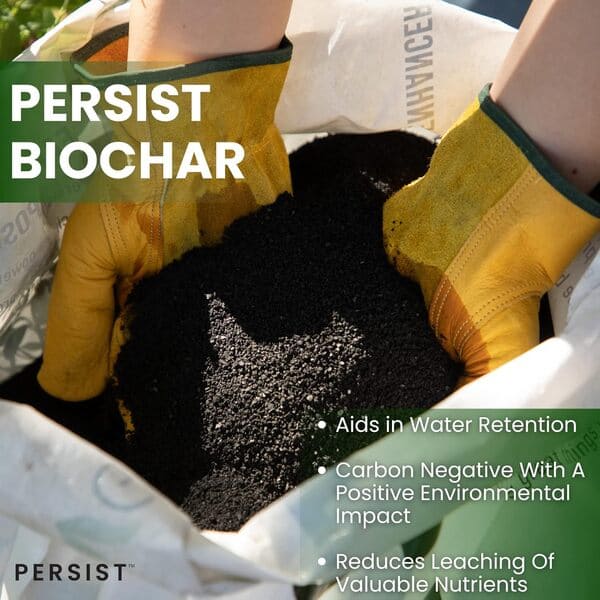
Charging biochar before it goes anywhere near a rose
The Magic of Mycorrhizal Fungi
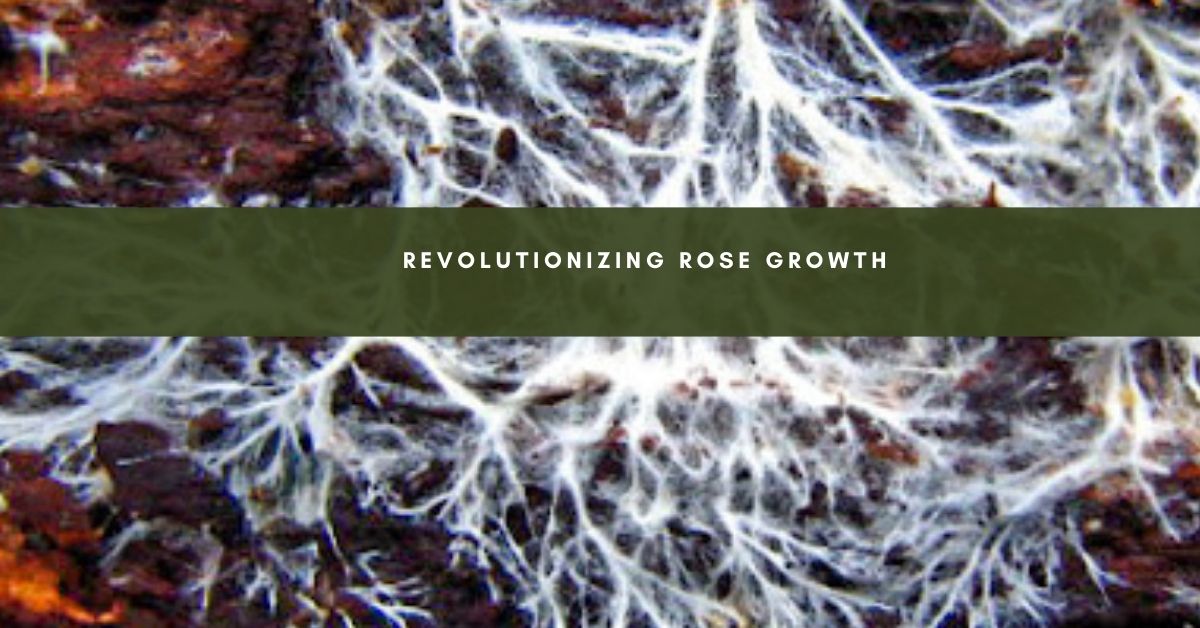
A rose’s own root system, even a well-developed one, only reaches so far and so fine. Arbuscular mycorrhizal fungi solve that by growing thread-like hyphae directly into the root cortex and out into the surrounding soil, effectively wiring the plant into a network far more extensive than its roots could build alone. In exchange for sugars the rose produces through photosynthesis, the fungus delivers water and nutrients the roots can’t reach on their own, particularly phosphorus, along with nitrogen, zinc, manganese, and copper. Gardeners who’ve used it also report better transplant survival and improved drought and stress tolerance, which lines up with the research on other stress-tested plants.
Why Mycorrhizal Fungi Are Essential for Plants
- Increase Root Absorption – Fungal networks extend root reach, allowing plants to access nutrients beyond their normal range.
- Enhance Nutrient Uptake – They help absorb phosphorus, nitrogen, and other essential minerals, reducing the need for synthetic fertilizers.
- Improve Drought Resistance – Mycorrhizal fungi retain water in dry conditions, helping plants survive extreme weather.
- Boost Plant Immunity – They form a protective barrier against soil-borne pathogens and harmful fungi.
- Reduce Transplant Shock – Plants treated with mycorrhizal fungi establish roots faster when moved.
How to Use Mycorrhizal Fungi:
- Apply powdered or granular mycorrhizal inoculant directly to roots before planting.
- Mix the inoculant into the soil or compost for established plants.
- Avoid excessive synthetic fertilizers since high phosphorus levels can hinder fungal growth.
Why the two work better paired than either does alone
Garden tips
By integrating Biochar and mycorrhizal fungi into modern gardening and farming, we can reduce chemical fertilizer dependency, enhance crop resilience, and create a more sustainable future for agriculture.
When NOT to Use Mycorrhizal Fungi?
While mycorrhizal fungi are beneficial in most cases, there are certain situations where they may not be needed or effective:
- Already Healthy, Nutrient-Rich Soil – If the soil is naturally rich in beneficial microbes and organic matter, adding mycorrhizal fungi may not provide extra benefits.
- High-Phosphorus Fertilized Soil – Excessive synthetic phosphorus inhibits mycorrhizal colonization, making it ineffective.
- Non-Host Plants – Some plants, such as members of the Brassicaceae family (cabbage, broccoli, mustard), do not form symbiotic relationships with mycorrhizal fungi.
- Hydroponic Systems – Since mycorrhizal fungi need soil to thrive, they are generally not beneficial in hydroponic or purely soilless growing systems.
- Waterlogged or Contaminated Soil – Fungi struggle to survive in poorly drained or chemically treated soil.
When mycorrhizal fungi won’t do anything for your roses
How to Implement This Modern Approach in Your Garden or Farm
- Prepare the Soil—Incorporate biochar and mycorrhizal fungi into the soil to set up a healthy foundation before planting.
- Use Organic Amendments – Pair these with compost, worm castings, or organic fertilizers for maximum effect.
- Monitor Growth & Adjust – Observe how plants respond and adjust application rates based on plant needs.
- Experiment with Different Plants – Most plants benefit, but mycorrhizal fungi are especially helpful for roses, tomatoes, fruit trees, and native plants.
Where to Find Mycorrhizal Fungi in Nature & Bring It into Your Garden
Mycorrhizal fungi naturally occur in undisturbed soils, forming symbiotic relationships with plant roots. You can collect and introduce them into your Garden from various natural sources.
Where to Find Mycorrhizal Fungi in Nature
- Healthy Forest Soil – The best source! Look under mature trees (especially oak, pine, birch, or maple) where fungal networks thrive.
- Undisturbed Grasslands or Meadows – These ecosystems have naturally occurring fungi, especially if they haven’t been over-fertilized or tilled.
- Near Wild Perennial Plants – Mycorrhizal fungi colonize the roots of long-established wild plants.
- Composted Leaf Litter – Decomposing leaves in forests often contain fungal spores and beneficial microbes.
How to Collect & Introduce It into Your Garden
1: Find dark, crumbly, rich soil around tree roots or native plants.
2: Take a small amount (a few handfuls) and avoid disturbing the environment.
3: Mix it into your garden soil, near plant roots, or use it in a compost mix.
4: Avoid synthetic fertilizers, which can kill the fungi.
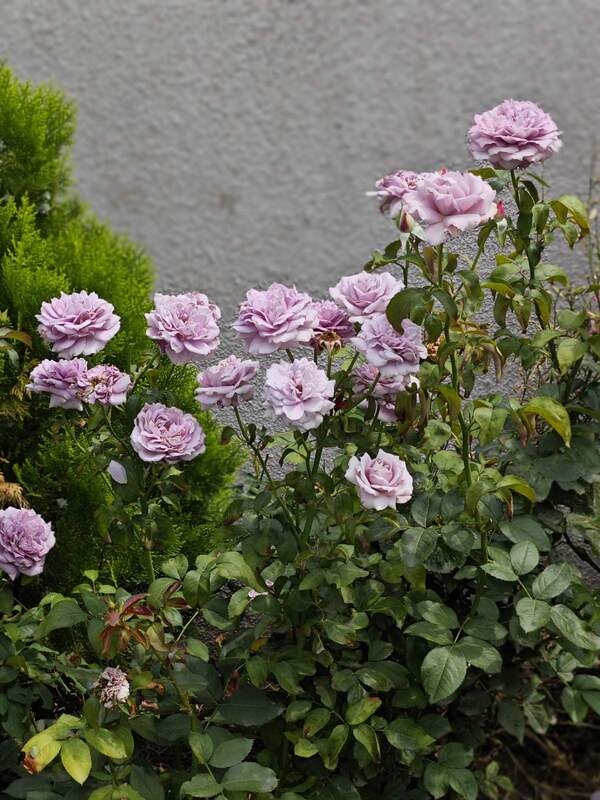
Novalis rose
How to Grow Mycorrhizal Fungi for Your Garden Yourself
If you want a continuous supply of mycorrhizal fungi, you can cultivate it at home! Here’s a simple step-by-step guide:
Choose a Host Plant
Mycorrhizal fungi need plant roots to survive. Ideal plants include:
Legumes (beans, peas)
Grasses (ryegrass, wheat)
Native wildflowers
Trees (oak, willow, pine)
Prepare a Growth Medium
Mix:
- 50% organic compost
- 25% sand (for drainage)
- 25% garden soil (preferably with some natural fungi)
Inoculate with Fungi
- Add soil collected from a healthy forest OR purchase a mycorrhizal inoculant.
- Sprinkle the fungi-rich soil near plant roots.
Maintain the Environment
Keep the soil moist but not waterlogged.
Provide partial sunlight to encourage fungal growth.
🚫 Avoid synthetic fertilizers, especially those high in phosphorus.
Harvest & Store
- After 3–4 months, dig up some of the root area and collect the surrounding soil (this contains fungal spores).
- Store it in a cool, dry place until you add it to other areas of your Garden.
How to Use Mycorrhizal Fungi When Planting and Growing Roses
Mycorrhizal fungi can supercharge the growth of roses, improving root development, nutrient uptake, and disease resistance. Here’s a complete guide on how to use mycorrhizal fungi when planting and maintaining roses.
Applying Mycorrhizal Fungi When Planting Roses (Best Time to Start!)
The best time to introduce mycorrhizal fungi is during planting, as it allows the fungi to colonize the roots right from the beginning.
Bare-Root Roses
1: Soak the roots in water for 1–2 hours before planting.
2: Lightly dust the roots with granular mycorrhizal inoculant or dip them in a mycorrhizal slurry (mix mycorrhizal powder with water).
3: Plant the rose as usual, ensuring the treated roots are in direct contact with the soil.
Potted Roses (Transplanting to the Garden)
1: Gently remove the plant from its pot and shake off some soil to expose the roots.
2: Sprinkle granular or powdered mycorrhiza directly onto the roots.
3: Place the plant in the hole and backfill it with soil.
Roses Grown in Containers
1: Mix mycorrhizal fungi granules into the potting soil before planting.
2: When transplanting into a larger container, apply a light dusting of fungal spores directly on the root ball.
3: Keep the soil moist but not overly wet, as mycorrhizal fungi need air pockets to thrive.
Using Mycorrhizal Fungi for Established Roses
Even if your roses grow, you can introduce mycorrhizal fungi to boost their health and flowering.
Soil Drench Method (Best for Quick Results)
1: Mix water-soluble mycorrhizal fungi powder into water.
2: Pour the solution around the base of the rose, ensuring it reaches the root zone.
Root Zone Application (Best for Long-Term Benefits)
1: Dig small holes (2–4 inches deep) around the plant using a small trowel.
2: Sprinkle granular mycorrhiza into the holes.
3: Water the area to activate the fungi and help them establish.
Mixing Mycorrhizal Fungi with Organic Amendments
Compost & Mulch – Mix mycorrhizal fungi into your compost before applying it to the Garden.
Worm Castings & Manure – Combine mycorrhizal inoculant with organic fertilizers to boost nutrient uptake.
Bone Meal & Rock Phosphate – Use low-phosphorus organic fertilizers, as too much phosphorus can inhibit fungal growth.
Combining Mycorrhizal Fungi with Companion Plants
Planting roses near companion plants that benefit from mycorrhizal fungi enhances the fungal network and soil health.
Good Companion Plants: Lavender, yarrow, salvia, thyme, echinacea, and native grasses.
Preventing Mistakes When Using Mycorrhizal Fungi
Don’t Use High-Phosphorus Fertilizers – These can block mycorrhizal colonization. Instead, use low-phosphorus, organic fertilizers.
Avoid Overwatering – Mycorrhizal fungi need oxygen to thrive, and soggy soil can reduce fungal activity.
Don’t Dig Too Deep After Application – Avoid deep tilling, which can disrupt fungal networks once applied.
Why Use Mycorrhizal Fungi for Roses?
- Stronger Root Growth – Helps roses establish faster and improves drought resistance.
- Better Nutrient Absorption – Increases access to phosphorus, nitrogen, and micronutrients.
- Increased Bloom Production – Healthier roses produce more prominent and frequent blooms.
- Disease Resistance – Fungi protect roots from pathogens and soil-borne diseases.
By incorporating mycorrhizal fungi into every stage of rose planting and care, you’ll grow healthier, more resilient, and vibrant roses!
The bigger picture: soil biology over soil chemistry
None of this works in isolation from everything else going on in the soil. The same forest-floor logic that keeps wild plants healthy without anyone spraying them, a living, layered, fungally connected soil rather than a sterile growing medium propped up by synthetic inputs, is the whole premise behind what I’ve written about soil biology and the forest, and it’s the same premise this article rests on. Mycorrhizal fungi and biochar sit naturally alongside compost and other organic amendments rather than replacing them; if you’re not composting yet, that’s the other half of this foundation.
I go into both of these, biochar and mycorrhizal fungi, in a lot more depth in my book Revolution in the Rose Garden, along with the rest of the soil-first system they’re part of: how they fit with compost, with feeding, with what I deliberately leave out of my own garden. If this article gave you the why, the book is where I lay out the how, season by season.
Rose gardening books


Step into a calmer, more confident rose season. With Ann Devis’s rose gardening books and planner, you’ll get simple organic routines, proven tips, and checklists that keep your roses thriving – from first bud to last bloom.

Frequently Asked Questions (FAQ)
Do mycorrhizal fungi actually help roses, or is this mostly marketing? The benefit is real but conditional. Controlled research, including a drought-stress study specifically on damask rose, shows measurable gains in flowering, photosynthesis, and stress tolerance from inoculation. The catch is that heavily fertilized or already fungus-rich garden soil may show little to no additional benefit, since synthetic nutrients can suppress the fungi or they may already be present naturally.


