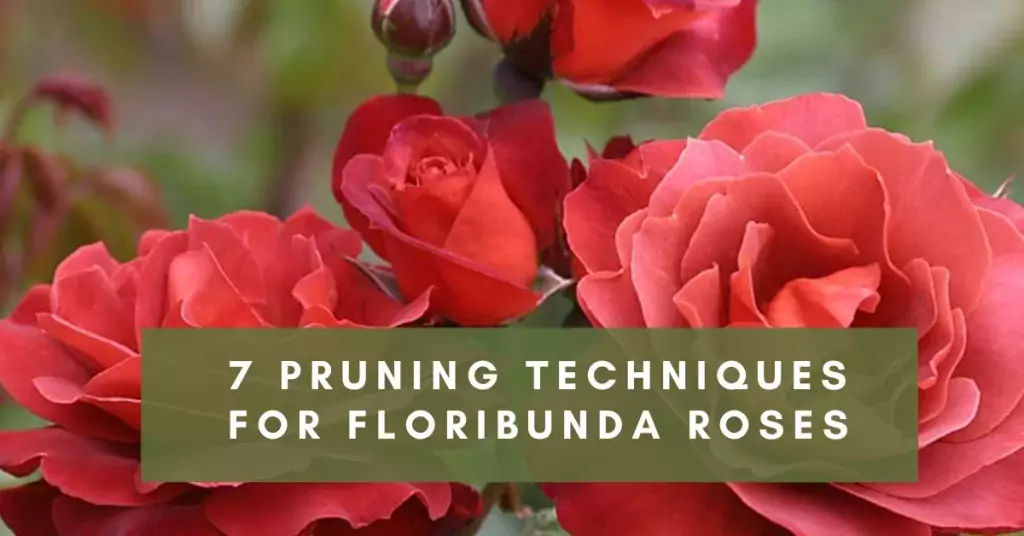
Most problems with floribunda roses are not caused by pests, weather, or bad luck.
They come from pruning that is done too much, too late, or without understanding what the bush is trying to do.
Floribundas are not fragile.
But they punish random cutting.
If your rose produces many leaves but few flowers, grows unevenly, or exhausts itself by mid-summer, the issue is almost always pruning logic, not fertilizer or spraying.
Let’s correct that.
Pruning Time: When is the Magic Hour?
The ideal time to prune your floribunda roses depends on your climate:
Temperate climates: Wait for late winter or early spring before new growth appears. Aim for a frost-free day when temperatures are consistently above freezing.
Warm climates: You can prune any time during the dormant season, typically between November and March. Avoid pruning in intense heat.
Pruning Fundamentals: The Pillars of Success
Before you whip out the shears, remember these guiding principles:
Sharp tools: Ensure your pruners, loppers, and saw are sharp and clean to avoid damaging stems.
Angled cuts: Make cuts at a 45-degree angle above an outward-facing bud. This encourages new growth and prevents water from collecting.
Clean up: Remove all debris after pruning to prevent the spread of disease.
Beyond the Basics: Unlocking Hidden Potential
Now, let’s explore some exciting techniques to take your pruning game to the next level:
Renewal pruning: Revitalize overgrown bushes by removing 1/3 of the oldest, thickest canes yearly. This encourages vigorous new growth from the base.
Vase-shaped magic: Create an open, airy rose with better air circulation by removing inward-growing and crossing branches. This technique promotes healthy foliage and reduces disease risk.
Espalier artistry: Encourage your rose canes to flourish horizontally along a wall or fence, forming an exclusive and efficient vertical showcase. Particularly suitable for compact gardens.
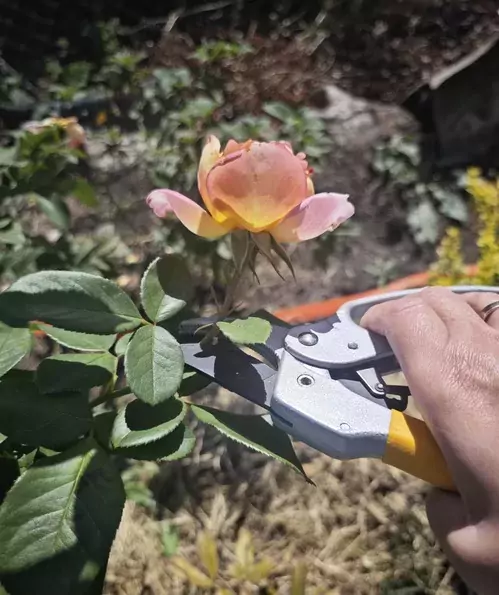
Deadheading: Snip off spent blooms just below the faded flower head throughout the season. This encourages more blooms and keeps your rose looking its best.
Seasonal Nuances: Tailoring Your Approach
Remember, pruning isn’t just a one-time event:
Summer pruning: Pinch off faded blooms to encourage a second flush of flowers. Avoid heavy pruning during this time.
Fall cleaning: Remove diseased or damaged foliage before winter to prevent overwintering pests and diseases.
Pruning Types: Choosing the Right Approach
There are three main types of pruning for floribunda roses:
Light pruning removes 1/3 to 1/2 of the stem length, ideal for maintaining established bushes.
Moderate pruning removes 1/2 to 2/3 of the stem length, suitable for rejuvenating neglected bushes or encouraging larger blooms.
Hard pruning: This cut stems back 6-8 inches above the graft union, used for severely neglected bushes or creating a specific shape.
Remember, it’s always better to start with light pruning and adjust as needed.
Now that you’ve mastered the basics let’s delve into some advanced techniques for the truly passionate rose gardener:
Technique 1: Cane Renewal (The Core Skill Most Gardeners Skip)
That’s why their bushes stop blooming well after a few years.
Technique 2: Open-Center Pruning for Disease Control
Technique 3: Height Control Without Flower Loss
It often equals fewer.
Technique 4: Deadheading That Actually Triggers Rebloom
Correct deadheading produces fewer stems with stronger clusters.
Technique 5: Thinning vs. Heading (Why One Matters More)
Thinning cuts remove them entirely.
Technique 6: Pinching Early for Bushier Growth
Only healthy, established bushes benefit.
Technique 7: Selective Bud Removal for Quality Blooms
Removing a portion of them early concentrates energy and improves flower size and color clarity.
But for gardeners who want structure instead of chaos, it is effective.
Choose right tool: Beyond the Basics
While sharp pruners and loppers are essential, consider these specialized tools for advanced techniques:
Bypass pruners: Ideal for clean cuts on live stems.
Anvil pruners: Best for dead or dry wood.
Rose hook: Useful for pulling down and guiding canes for espalier training.
Thinning saw: Makes clean cuts on thicker branches.
# | Product | Title | Rating | |
1 |  | 5/5 | ||
2 |  | 5/5 | ||
3 |  | 5/5 | ||
4 |  | 5/5 |
Cultivar Considerations: Tailoring Your Approach
Remember, not all floribunda roses are created equal. Consider these factors when choosing your pruning technique:
Blooming habit: Does your rose bloom on old or new wood? This determines whether you prioritize older or younger canes during pruning.
Growth habit: Some roses are naturally compact, while others are sprawling. Adapt your pruning to encourage the desired shape and size.
Disease susceptibility: Open, airy pruning styles can help improve air circulation and reduce disease risk in susceptible varieties.
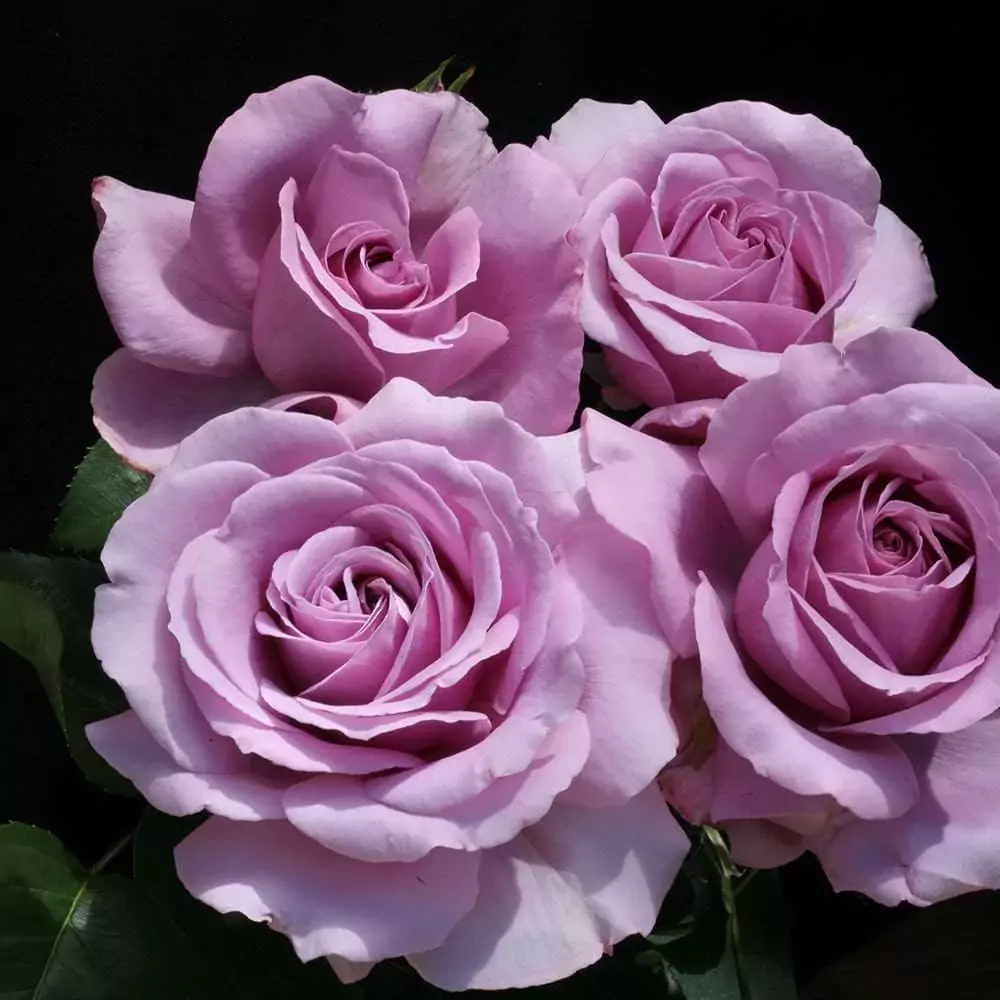
Remember, pruning is a journey, not a destination. Embrace the spirit of exploration and glean insights from your endeavors. Unforeseen beauty and wisdom can emerge from what may be perceived as “mistakes.” The most important thing is to enjoy the process and revel in the vibrant rewards your floribunda roses will offer in return.
With these tips and techniques, you’re well-equipped to unlock the blooming potential of your floribunda roses. Remember, pruning is an investment in beauty and health, rewarding you with a season of spectacular flowers and a thriving garden. So, grab your tools, choose your technique, and watch your rose bushes transform into dazzling displays of color!
FAQ: Floribunda Rose Pruning
What to Do Next
If pruning feels confusing, that’s normal. Most problems appear years after the wrong cut, not immediately.
For a full diagnostic approach — why roses grow poorly, stop blooming, or exhaust themselves — Why Doesn’t My Rose Grow and Bloom? – 100 Reasons and Solutions explains cause and correction without guesswork.
To track what you cut, when, and how the rose responds, the Rose Garden Planner 2026 – Log Book removes the need for memory.
And if you want to understand rose gardening as a system not a list of tasks — Revolution in the Rose Garden – Organic Rose Gardening shows how timing, soil, and pruning work together.
Good pruning simplifies everything that comes after.
Rose gardening books

Step into a calmer, more confident rose season. With Ann Devis’s rose gardening books and planner, you’ll get simple organic routines, proven tips, and checklists that keep your roses thriving – from first bud to last bloom.