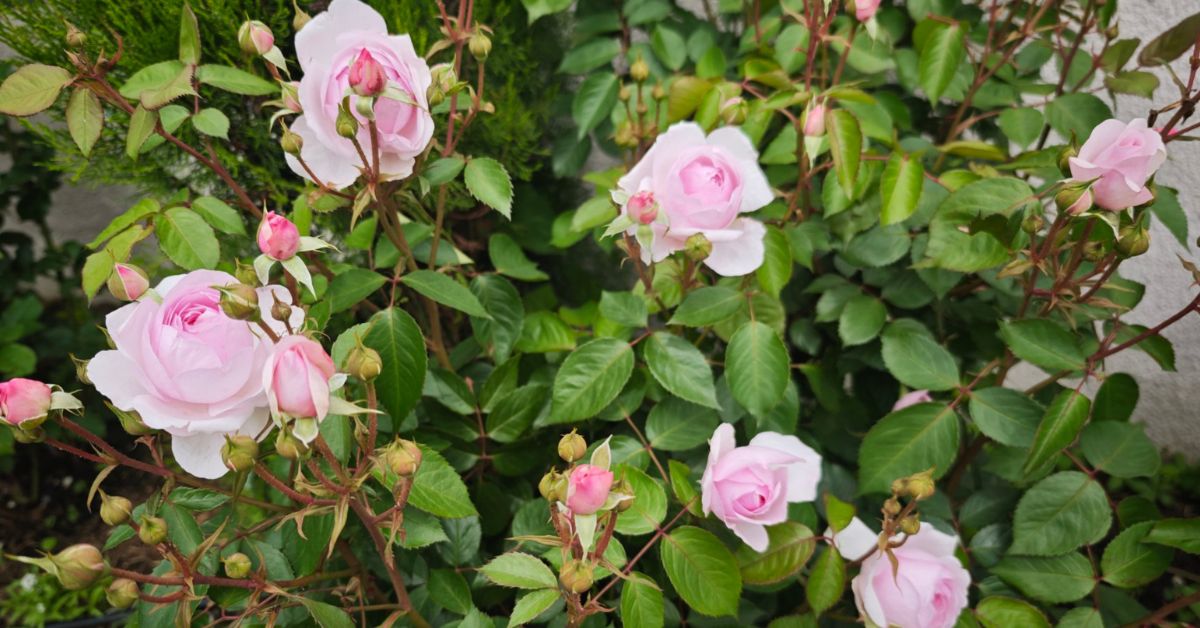
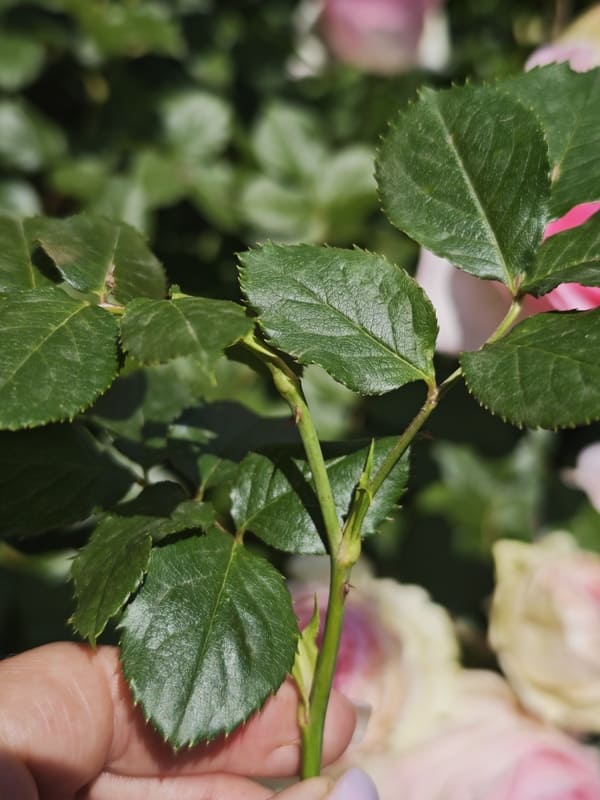
Blind shoots on a rose bush — long stems with healthy leaves but no flower buds at the tips \

Blind Shoots on Roses: Why Your Roses Aren’t Blooming and How to Fix It

Every rose grower, sooner or later, faces a deeply frustrating sight: a rose bush covered in lush, vibrant foliage, with long stems reaching for the sky, but absolutely no flowers. Where a bud should be, there is only an empty tip or a final pair of leaves.
These are known as blind shoots. They are not a disease, nor are they a sign of gardener error, but they can and should be managed.
Blind shoots on a rose bush — long stems with healthy leaves but no flower buds at the tips

What is a Blind Shoot and What Does It Look Like?

A blind shoot is a vegetative stem that grows normally in length and produces healthy leaves, but fails to form a terminal flower bud. Instead of a plump bud at the tip, you will see either continuous growth of standard leaves or a small, blunt “blind” tip showing no signs of flowering.
How do you tell a blind shoot apart from a normal, flowering one? On a healthy, productive shoot, the terminal bud swells into a distinct flower bud, where you can easily spot the widening base that later forms the sepals. A blind shoot lacks this swelling entirely. The stem simply keeps growing, as if it forgot its main purpose.

Garden tips

A blind shoot is not a death sentence for your plant; it is a signal. Your rose is telling you that current conditions aren’t ideal for blooming, prompting it to switch into survival mode and focus on building green mass instead.

Why Do Roses Produce Blind Shoots?

According to the Royal Horticultural Society (RHS), the precise cause of blind shoots remains unknown, but scientists and seasoned experts point to several key environmental triggers.

1. Lack of Sunlight

This is the most common culprit. Roses are absolute sun-worshippers, requiring at least 6 hours of direct sunlight daily, with morning sun being the most critical. When light is scarce, photosynthesis is restricted, and the plant produces fewer carbohydrates. A developing flower cannot compete for these limited energy reserves against vegetative growth. Faced with an energy deficit, the rose chooses survival over reproduction, prioritizing leaves and delaying flowering.
If your bush is planted in the shade of trees, fences, or taller neighbors, blind shoots will be a recurring issue. Morning sun is far more valuable than afternoon sun, as it quickly dries up dew (reducing fungal risks) and kickstarts photosynthesis early in the day.

2. Extreme Temperature Fluctuation

The renowned German nursery Rosen Tantau, one of the largest rose breeders globally, highlights a crucial factor: wide swings in day-night temperatures. When days are hot and nights are chillingly cold, the delicate terminal flower bud often aborts. The stem continues to grow, but without its reproductive tip.
This issue most frequently plagues fast-growing, repeat-blooming Hybrid Teas with upright growth habits. Lax climbing roses and old garden roses are rarely affected.

3. Weather Damage to the Terminal Bud

Late spring frosts, biting winds, hail, or sudden temperature drops can easily damage a terminal bud just as it begins to form. Once damaged, the bud dies off, and the shoot continues its upward growth without its “flowering program.” Observations from growers in regions with volatile springs note that extreme fluctuations force the rose to redirect resources into the next vegetative flush, delaying blooms.

4. Poor Soil and Nutritional Imbalances

The RHS lists poor soil as another contributing factor. Roses are heavy feeders. In soil deficient in organic matter and micronutrients, a bush simply lacks the stamina to develop proper flower buds.
However, nutrition is a balancing act. Too much nitrogen, especially early in the season, stimulates a massive surge of foliage at the expense of blooms. Massive, dark green leaves and thick, fleshy stems completely devoid of buds are textbook signs of a nitrogen imbalance.

5. Cultivar Genetics

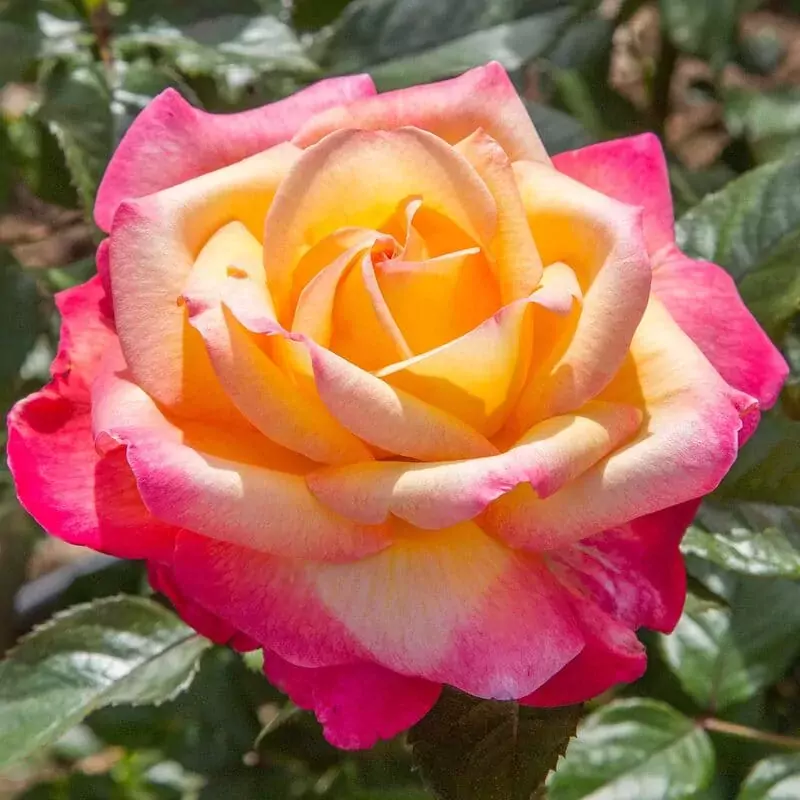
Some varieties are genetically prone to blindness. RHS data points to the iconic ‘Peace’ and ‘New Dawn’ as frequent offenders. On the whole, Hybrid Teas produce more blind shoots than old garden roses, floribundas, or climbers. This is a byproduct of modern breeding: these varieties are engineered for intense growth and rapid repeat-blooming, making their metabolism highly sensitive to stress.
peace rose

6. Plant Age and Fatigue

Very young bushes in their first year after planting frequently throw blind shoots. They are busy establishing a root system and cannot spare the energy for blooms. Conversely, old, neglected bushes that haven’t been rejuvenated in years can simply grow “tired,” producing blind growth rather than productive stems.

Blind Shoot or Late Bud?

An excellent tip comes from seasoned rose experts: don’t rush to judge a shoot. Sometimes, a bud is simply late to the party, particularly during cool, overcast summers.
Wait two to three weeks. If you notice a tiny swelling bump at the tip, it’s a bud, just a slow one. If the stem continues to stretch out with no sign of swelling, it is officially a blind shoot.

Action Plan: A Step-by-Step Guide

Step 1: Inspect and Sort the Shoots

  • Internal Blind Shoots: Any blind growth growing toward the interior of the bush, crossing other stems, or sitting in the shade of the center should be removed entirely. They offer no aesthetic value and only congest the plant, reducing airflow and competing with the outer stems for nutrients. They create a microclimate with high humidity, which invites fungal diseases.
  • External Blind Shoots: Shoots growing outward that receive ample sunlight should be pruned back to the first strong, outward-facing bud. Do not cut them back too hard; leave two or three buds below the cut. Within two weeks, you will see new growth. The remaining lateral bud is highly likely to produce a flower because it sits in a well-lit part of the canopy, where there is plenty of energy.

Step 2: Make the Right Cuts

For external blind shoots, use a pair of sharp, clean bypass pruners. Make your cut at a 45-degree angle, about a quarter of an inch  above an outward-facing bud. This encourages new growth to shoot away from the center, maintaining an open, healthy bush structure.

Garden tips

If a blind shoot is exceptionally thin and spindly, cut it right down to the base. Weak stems won’t be able to support the weight of a heavy bloom anyway, so removing them forces the plant to redirect energy into stronger canes.

Step 3: Feed After Pruning

Pruning triggers a healing response and prompts the rose to push out new growth, making this the perfect time to fertilize. Use a balanced organic fertilizer rich in phosphorus and potassium, the elements responsible for root health and prolific blooming. Keep nitrogen levels moderate to avoid triggering yet another round of blind, leafy growth.
Kelp meal: An exceptional source of micronutrients, amino acids, and natural growth regulators. It boosts plant metabolism without causing a nitrogen spike, helping the rose transition from leafy growth to bud development. Apply it as a root drench or a foliar spray according to package directions.

Chitosan: A natural polysaccharide that triggers the plant’s immune defense mechanisms and stimulates phenolic metabolism. In an organic garden, it acts as an immunomodulator. The rose responds to chitosan by increasing its metabolic rate, leading to more vigorous growth and successful bud set. Apply it as a foliar spray so the solution can enter the leaves through stomata and trigger systemic pathways.

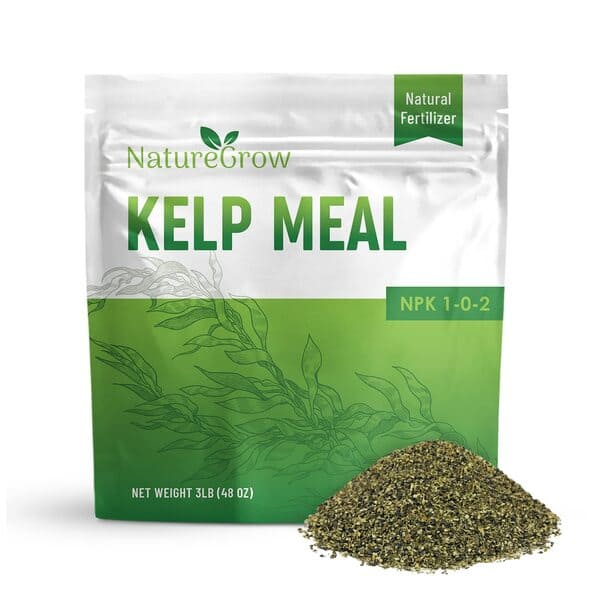
Together, kelp meal and chitosan ensure your roses don’t just recover from stress, but emerge from it stronger. Plants given this organic support routinely push out their second flush of blooms much faster and more abundantly than those left entirely to rainwater.
Your primary weapons against blind shoots will always be correct pruning, maximum light, deep watering, and balanced nutrition. Everything else is just giving nature a helping hand.

Step 4: Assess Environmental Conditions

While the bush is recovering, double-check these three essentials:
  • Light: Ensure the rose gets at least 6 hours of direct sun. Prune back overhanging tree branches or neighboring plants if they are casting too much shade. Remember, morning sun is your priority.
  • Watering: Water deeply but infrequently. Giving the rose 15–20 liters of water twice a week is far better than a shallow daily sprinkle. Water should drench the soil down to a depth of 30–40 cm. Apply organic mulch (straw, compost, or wood chips) to retain moisture and prevent the soil from baking.
  • Soil: If your soil is heavy clay, work in plenty of well-rotted compost or manure. Roses thrive in loose, fertile, well-draining soil. Heavy clay soils retain too much water, suffocating roots and causing stress.

Step 5: Repeat Foliar Spraying in 10–12 Days
Roughly 10 to 12 days after your initial treatment, give the foliage another spray with the chitosan and seaweed solution. This sustains the plant’s high metabolic rate and provides the extra momentum needed to form healthy, flowering shoots.
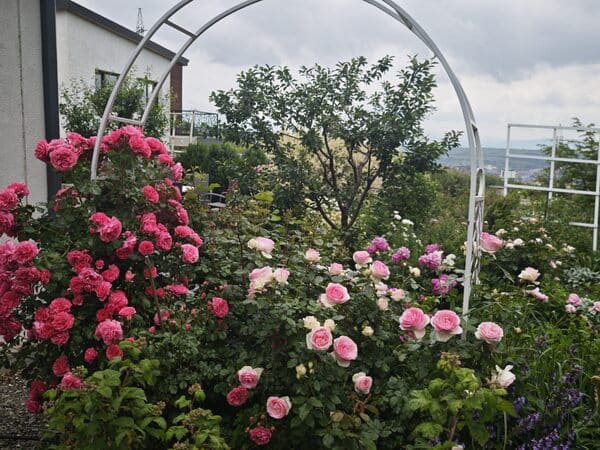
Pruning a blind shoot on a rose with sharp bypass pruners — cut at 45 degrees above an outward-facing bud

Pro-Tips to Keep in Mind

  • Do not prune too early. Give the shoot 2–3 weeks to prove itself. If no swelling appears, go ahead and clip it.
  • Avoid nitrogen overloads. Fresh manure, neat chicken manure, or pure urea will cause a massive nitrogen spike, turning your rose into a leafy green monster. Stick to phosphorus, potassium, and trace minerals for blooms.
  • Don’t skip rejuvenation. Old bushes left unpruned for years will steadily produce more blind shoots. Every 3–4 years, practice restorative pruning by removing one or two of the oldest, hardiest canes right at the base to stimulate fresh growth from the crown.

Quick Checklist for the Busy Gardener

  • Blind Shoot: A stem with no bud at the tip that keeps growing longer with normal leaves.
  • Wait: Give it 2–3 weeks; the bud might just be late.
  • Remove Inner Shoots: Cut away internal blind shoots completely to prevent overcrowding.
  • Trim Outer Shoots: Cut back external blind shoots to the first strong, outward-facing bud.
  • Expect Results: New growth will appear within two weeks of pruning.
  • Feed: Post-pruning, apply a balanced organic fertilizer, seaweed extract, and chitosan.
  • Check Light: Ensure at least 6 hours of sun (morning sun preferred).
  • Water Wisely: Deep, infrequent watering; apply mulch.
  • Watch Nitrogen: Avoid over-fertilizing with heavy nitrogen sources.
  • Rejuvenate: Hard prune old canes every 3–4 years.

Stop Guessing, Start Fixing: What I Learned About Roses the Hard Way

If you are standing in front of your rose bush right now, wondering why those long green shoots refuse to form buds, you are not alone. Blind shoots frustrate every rose grower at some point. The good news is that once you understand what drives them — light, temperature swings, genetics, and the plant’s own energy balance — you stop guessing and start fixing.
That shift from guessing to knowing is exactly what I wrote about in Why Doesn’t My Rose Grow and Bloom? — 100 Reasons and Solutions. It is not a product catalog. It is a practical guide to reading your plant, understanding what it is actually telling you, and fixing the cause instead of chasing symptoms. Blind shoots are just one of those hundred conversations between you and your rose.
One habit that speeds up this learning more than anything else is keeping notes. When you write down which canes you pruned, when you fed, what the weather did that week, and whether the new growth came back blind or blooming — patterns emerge fast. You stop repeating the same mistakes. I designed the Rose Garden Planner 2026 — Log Book for exactly that. One season teaches you what used to take three.
And if you want fewer mystery problems altogether, the real shift happens when you stop treating the plant and start treating the soil. Healthy soil with active microbiology, organic matter, and simple natural inputs solves more than most gardeners expect. Revolution in the Rose Garden — Organic Rose Gardening brings those principles into practice. It is written for real home gardens, not idealized textbook conditions. The methods in it are the same ones I use in my own organic rose garden — no chemicals, no shortcuts, just consistent results.

Rose gardening books
Step into a calmer, more confident rose season. With Ann Devis’s rose gardening books and planner, you’ll get simple organic routines, proven tips, and checklists that keep your roses thriving – from first bud to last bloom.
FAQ

These are blind shoots. The main causes include inadequate light (fewer than six hours of direct sun), stark day-to-night temperature swings, frost or wind damage to the young terminal bud, and genetics. Upright Hybrid Teas are the most susceptible. Check for shading from nearby structures or plants.
Not at all. If it is an outer shoot getting plenty of sun, prune it back to the first strong lateral bud. New growth will emerge within two weeks, and it stands an excellent chance of bearing flowers. Just ensure you leave an outward-facing bud intact.
No. Completely remove internal blind shoots that congest the center, cross other branches, or sit in heavy shade, as they ruin airflow. However, outer blind shoots should simply be tipped back to a strong bud to encourage fresh, flowering growth.
Late spring is when roses grow rapidly and set their first buds. However, this period is often plagued by late frosts and erratic weather. If the delicate terminal bud is damaged or killed by a cold snap, the shoot continues to grow without its flower. By July, when summer weather stabilizes, blind shoots become far less common.
It helps immensely. Pruning back to a strong lateral bud forces the rose to redirect its energy. Because that remaining bud sits in a sunny patch of the canopy, the resulting growth is highly likely to bloom. The RHS explicitly recommends cutting blind shoots back by half to a strong bud to stimulate flowering.
While major scientific literature doesn’t link it as a direct causal pathology, the underlying botany is clear: high nitrogen triggers rapid vegetative growth at the expense of reproduction. If your rose is throwing out massive, dark green leaves and thick stems with zero buds, you have a nitrogen imbalance. Roses need phosphorus, potassium, and trace minerals to bloom.
This comes down to cultivar variations (some varieties are genetically prone to it), microclimates, light exposure, soil differences, or the age of the bush. Varieties like ‘Peace’ and ‘New Dawn’ are notorious for blind shoots. The blooming neighbor might also have a more established root system or catch just an hour more of crucial morning sun.
This is completely normal. A young rose spends its first year focusing on root establishment rather than reproduction. It is best to prune away these blind shoots so the plant can divert its energy into building a strong root system and basic structure. Spectacular blooms will follow in its second and third years.
The terminal bud at the top of a cane is dominant and responsible for producing the main bloom. Because it sits at the highest point, it is the most exposed to frost, wind, and sudden temperature shifts. When it dies, the stem keeps growing vegetatively. Lower lateral buds are often better protected by foliage.
For healthy plants pruned during dry weather, it isn’t necessary; roses seal their own wounds efficiently. However, if the plant is struggling or you are pruning in damp, humid conditions where fungal spores thrive, you can dust the cut with charcoal or a natural antiseptic. The most important thing is to use sharp pruners for a clean, tear-free cut.
No. Blind shoots are a physiological response to environmental stress, not a disease or pathogen. If the foliage is clean of spots, rust, rot, or pests, your rose is healthy; it’s just stressed. Don’t waste time or money on fungicides; focus on pruning, light, and proper nutrition instead.

Leave a Comment

Sign In

Register

Reset Password

Please enter your username or email address, you will receive a link to create a new password via email.

Scroll to Top